5E Halfling Names: The Ultimate List for Your D&D Adventure
Embarking on a D&D 5th Edition campaign, creating memorable characters begins with choosing the perfect name. For halfling characters, selecting a name that resonates with their lively, adventurous spirit can greatly enhance your gaming experience. Let's delve into the rich tapestry of halfling names in 5e.
5th Edition Dungeons & Dragons gives players a variety of naming conventions for halflings, reflecting their playful and light-hearted nature. These names often evoke images of laughter, Cottagecore aesthetics, and rustic charm. Let's explore the diverse options for divisive halfling names in 5e.
Halfling Naming Conventions
In 5e, halfling names typically follow a two-part pattern, consisting of a given name and a family name. This structure allows for a broad range of creative combinations.


Given names often evoke images of nature, whimsy, and simplicity. They can be wholesome and straightforward, like Dallan or Edwina, or they might possess a subtle touch of fantasy, such as Birch or Indy.
Clan Names
The first aspect of a halfling's family name is derived from their clan. Clans are social units that halflings traditionally belong to, and their names often reflect this communal spirit. Clan names are usually short, one-syllable words, such as Bramble, Harrow, or Sheepsheed.


Clan names may also represent an attribute of the community, like Hillside or Riverbend, or a shared skill or interest, like Barley for those with a knack for brewing, or Thistle for herbalists.
Individual Names
The second part of a halfling's family name is their individual, or 'personal' name, which is often quite playful. These names can be diminutives, like -kin or -win, as in Boldin-kin or Chickwin, or they might use endearing suffixes, like -na or -ley, seen in names like Drunkenna or Silverley.
Sometimes, personal names can also be independent words, like Fullbelly, Foosicle, or Stardaler. These names often evoke images of hearty appetites, good luck, or quiet mystery.


The Role of Gender in Halfling Names
Halfling names in 5e do not alwaysIndicator gender, as was the case in some older editions of D&D. This change reflects the shift towards more inclusive naming practices in real-world cultures, as well as the greater diversity in gender roles and expression within the D&D universe.
That said, some naming conventions can still provide clues about a halfling's gender. For instance, names ending in -ella or -etta are often, though not exclusively, used for female halflings. Examples include Brimella and F ĝisett. Meanwhile, male halflings might be named after sturdy plants or stones, like Graniteur or Oaken.
Unconventional Names
While the naming conventions for halflings in 5e provide a wealth of creative options, they are by no means exhaustive. Players are encouraged to forge their own paths and create unique names that speak to their character's individuality.
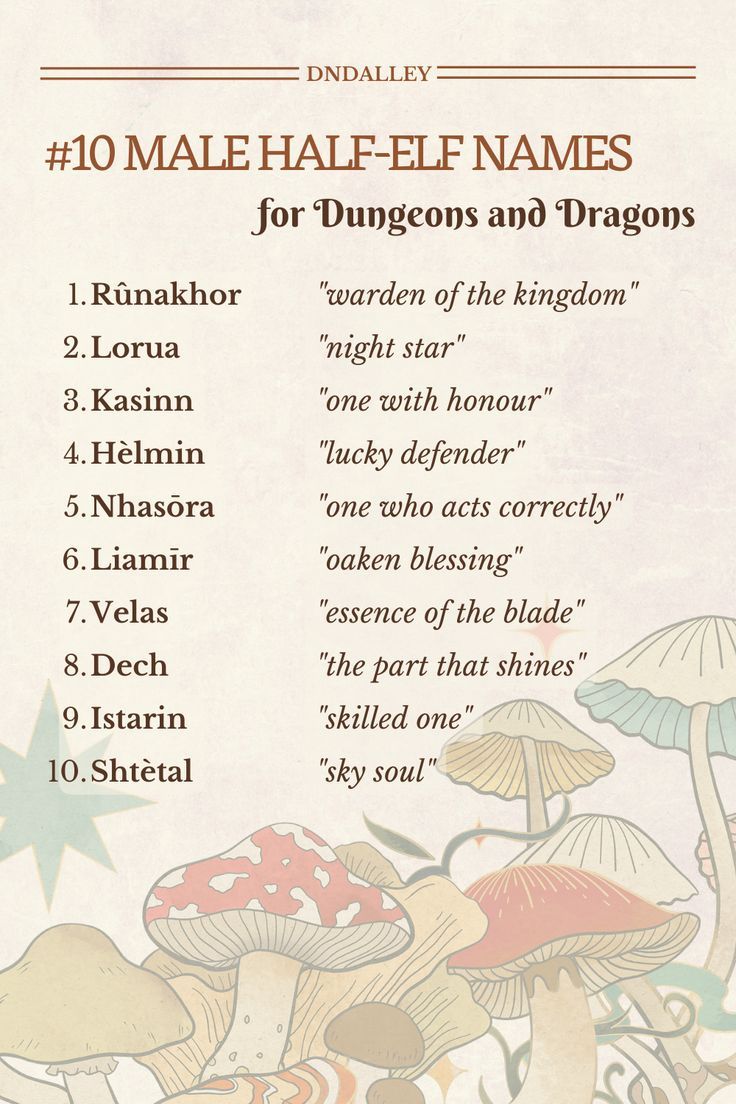


You might choose a name that reflects your halfling's backstory, such as a name inspired by a significant event or locale. Alternatively, you could coin an entirely new naming convention, perhaps inspired by a unique aspect of your character's culture or identity. The world of D&D is your oyster, and there are no limits to the names you can create.
In the realm of D&D 5th Edition, the names we choose for our characters can greatly influence the stories we tell. For halfling characters, selecting a name that captures their lively, adventurous spirit can be a delightful journey in and of itself. So, grab your pencil, and let the creative juices flow - who knows what brilliant, whimsical names you'll devise for your halfling heroes?
Related Articles
Halfling Names: The Ultimate Pathfinder List
In the expansive realm of Pathfinder, the halfling race brings with it a rich tapestry of lore, culture, and history, each thread intricately woven into the...

The Ultimate Thanksgiving Guest List: Enhance Your Feast
The Thanksgiving guest list is often the first order of business when planning for this beloved annual tradition. After all, who better to share in the feast...

"Ultimate Pokemon Academy Life Download: Experience Your Dream Adventure!"
The allure of Pokémon has captivated fans worldwide since the late 1990s, evolving from a Simple Game Boy game into a multi-media franchise that continues to...

"Your Ultimate Christmas Reading List: Must-Reads You Want & Need"
As the holidays approach, the question on everyone's mind is, "What's on your Christmas list this year?" With so many possibilities, it can be overwhelming to...

San Diego Advertising Agencies: Your Ultimate List
Embarking on an advertising campaign in a bustling city like San Diego requires a strategic approach, and who better to guide you through the process than the...
Halfling DnD 5e Names: Best Ideas for Your Adventurer
In the sprawling realms of Dungeons & Dragons 5th Edition, where elves, dwarves, and humans reign supreme, a lesser-known race captivates our imagination - the...