Half-Elf Surnames
In the realm of fantasy literature and gaming, half-elves occupy a unique space, being the offspring of a human and an elf parent. This blend of two distinct races not only creates intriguing characters but also inspires fascinating cultural aspects, which naturally extends to naming conventions. Half-elves often adopt a blend of human and elven naming traditions, resulting in a rich tapestry of last names that reflect their unique heritage.
In this article, we delve into the fascinating world of half-elf surnames, exploring the common themes, patterns, and influences that shape these names. We'll uncover the richness and diversity of these names, their origins, and their significance in fantasy worlds. Whether you're a game master creating a new half-elf NPC, a writer seeking inspiration, or simply a fantasy enthusiast, this guide will shed light on the captivating world of half-elf surnames.
Understanding Half-Elf Naming Traditions
To appreciate half-elf surnames, it's essential to understand the naming conventions of their human and elven ancestors. Both races have distinct traditions that influence half-elf names.
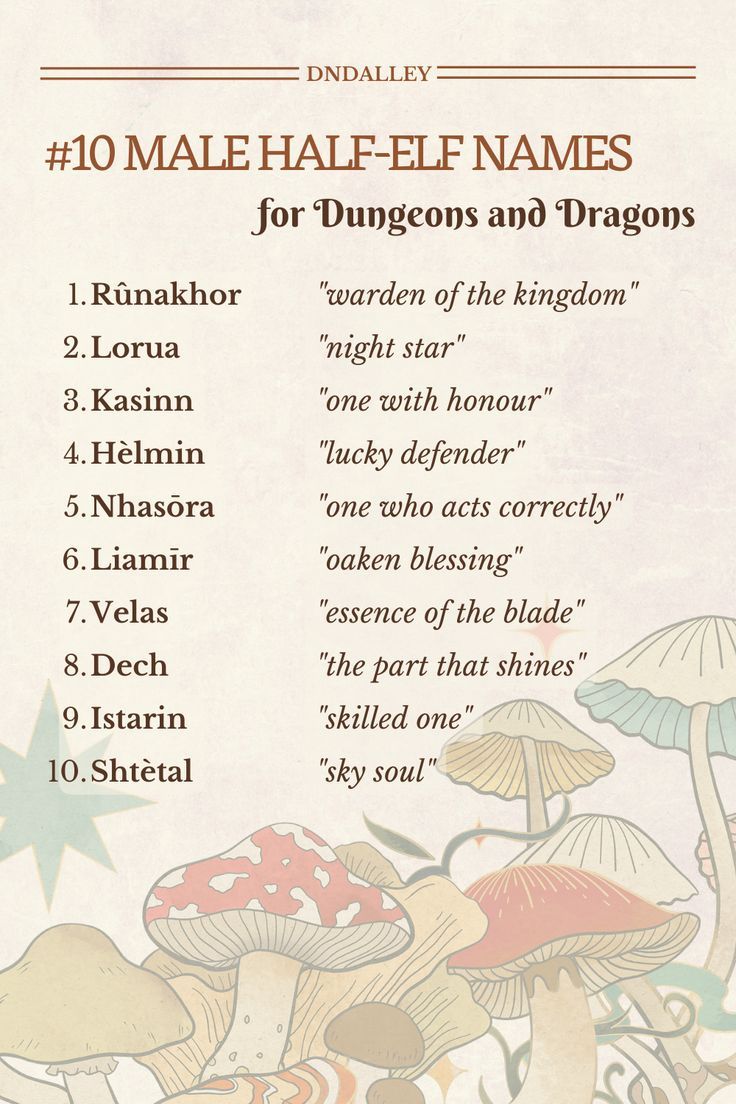


Human surnames often reflect a person's tribe, guild, or place of origin. They can indicate social status, profession, or even a notable event. In contrast, elves generally use names based on their personal characteristics, family lineage, or connection to nature. Elven names often have a lyrical, ethereal quality, reflecting the elves' deep connection to the natural world.
Human Influences on Half-Elf Surnames
Half-elves frequently adopt human-style surnames, especially if their human lineage is dominant. These names might indicate their family's ancestral lands, original tribe, or a notable event from their lineage. For instance, a half-elf with the surname "Wilson" might be descended from a human with "Will" as a given name, who perhaps exhibited exceptional strength or skill.


zentralelement4incorpBlog "Hunt" or "Craft", which could suggest that their ancestor was a skilled hunter or artisan. Alternatively, a half-elf named "Dewitt" might have a human ancestor who lived near a significant body of water, with "Dew" referring to the morning dew and "itt" being a common suffix in human surnames.
Elven Influences on Half-Elf Surnames
Elven influence can also manifest significantly in half-elf surnames. Elven names often carry a symbolic or descriptive meaning, such as "Moonstalker" or "Starsinger". A half-elf with a surname like this likely has a strong connection to their elven heritage.
zentralelement "Whisperwind" or "Nightshade" might indicate a half-elf with strong magical abilities, reflecting the elves' affinity for magic. Conversely, a surname like "Silverhair" or "Darkblade" could denote a half-elf with a distinctive physical feature or a particular skill, as is common in elven naming traditions.


The Blending of Traditions: Unique Half-Elf Surnames
Many half-elves create unique surnames that blend human and elven naming conventions, resulting in fascinating and imaginative names. These names might combine a human-style surname with an elven-inspired suffix or prefix, or they could blend elements from both traditions in a less obvious way.
One example of this blending is "Silverbear", which might derive from a human surname "Silva" or "Silver" combined with an elven-inspired suffix "-bear". This name could denote a half-elf with a strong connection to nature, or perhaps one who possesses exceptional strength, reflecting both human and elven influences.
Half-Elf Surnames with Multicultural Roots
In diverse fantasy worlds, half-elves might have cultural influences beyond just human and elven traditions. Names influenced by dwarven, orcish, or other racial traditions are also possible.


For instance, a half-elf with the surname "Stonewarden" might have a dwarven ancestor, as dwarves often use surnames that reflect their occupation or connection to the earth. Alternatively, a half-elf named "Bloodmoon" could have an orcish ancestor, as orcs often use names that reflect their ferocity or connection to the natural world. These names can add depth and intricacy to half-elf characters, reflecting their unique multicultural backgrounds.
Evolving Half-Elf Surnames
Half-elf surnames might evolve over generations, reflecting changes in family history, culture, or personal achievements. This evolution can add richness and depth to a half-elf character's backstory.
For example, a half-elf named "Greenmantle" might have an ancestor who was a skilled ranger or lived in a heavily forested area. However, if this half-elf becomes a renowned scholar of plant lore, they might adopt a new surname like "Herbmaster" to reflect their personal achievements and change in focus. This evolution of surname can add intrigue and complexity to half-elf characters.
Understanding and incorporating half-elf surnames can bring depth and authenticity to fantasy worlds. By combining human and elven naming traditions, and considering the influences of other cultures, writers and game masters can create names that not only sound interesting but also reveal intriguing aspects of a half-elf character's history and heritage. So, the next time you're creating a half-elf character, don't forget to put some thought into their surname. It could be the key to unlocking a wealth of story possibilities.
Related Articles

Half-Elf Ninja Pathfinder Tips & Builds
The Half-Elf Ninja Pathfinder is a fascinating character silhouette that often takes center stage in the realms of fantasy role-playing games. This unique...

D&D Half-Elf Names: Unique & Creative Ideas
Dungeons & Dragons (D&D) half-elves are captivating characters, embodying the best of both human and elven heritage. In a world filled with diverse races...
Half-Elf Last Names: Unique & Fantasy-Inspired Suggestions
Embarking on a journey through the world of fantasy, half-elves have long captivated our imaginations. These bespectacled characters, blending human and elven...
Half-Elf Illusionist Names
Imbue your half-elf character with a unique identity, and what better way to start than with a captivating, lore-enriching illusionist name? Half-elf names...

Half-Page Printable Check Register
Ever found yourself wanting a compact, easy-to-manage way to track your expenses? A printable check register half page might just be what you're looking for...

Half-Circle SVG: Create Perfect Arcs for Your Designs
In the realm of vector graphics, the half circle SVG is a ubiquitous element, widely used in design, web development, and illustration. This shape, half of a...