Hair Transplant Recovery Photos: Before & After
If you're considering a hair transplant, you might be curious about what the recovery process entails, especially when it comes to changes in your appearance. Hair transplant recovery pictures can provide valuable insights and offer reassurance, so let's delve into the transformation journey, from immediate post-op to full hair restoration.
Before diving into the recovery pictures, it's essential to understand that every patient's experience is unique. Factors like the extent of hair loss, the type of procedure performed (FUE or FUT), and your body's natural healing process can influence your timeline and results. Therefore, while these pictures provide a general idea, your journey may vary slightly.
Immediate Post-Op to Initial Healing
In the first few days after your hair transplant, your surgeon will provide detailed aftercare instructions tailored to your specific procedure. Generally, you'll need to wear a bandage around your scalp, which will be removed the next day. Your newly transplanted hairs will be visible, but don't worry, they'll eventually blend in naturally with your existing hairs as they start to grow.


While some swelling and discomfort are normal, these symptoms should subside within a week or two. It's crucial to follow your surgeon's advice regarding medication, cleaning your scalp, and other aspects of your aftercare routine to ensure a smooth and successful recovery.
apparence in the First Two Weeks
亚(float)Suppose you've seen before and after hair transplant pictures. In that case, you're already familiar with the transformation that can be achieved. However, the journey to those dramatic results takes time, and the first two weeks might feel daunting. Your scalp may appear red and swollen, with tiny crusts or scabs forming around the transplanted hairs. remember, this is a temporary phase, and your appearance will improve steadily.


During this period, you might notice some hair fall. This is completely normal and a part of the healing process. The transplanted hairs will shed within the first 2-3 weeks, but don't worry, the hair follicles have been successfully transplanted, and new hair growth will start in a few months.
The Scabbing Phase
After the first two weeks, the redness and swelling will begin to subside, and your scalp will start to look more normal. However, you may still have tiny scabs scattered across your scalp. These scabs are a sign that your body is healing, and they should fall off naturally within the next couple of weeks. Avoid picking or scratching them, as this can disrupt the healing process and potentially damage your newly transplanted hairs.
At this stage, you may also start to see some new hair growth at the transplant site. This is an encouraging sign that your hair follicles are taking root and preparing to grow new hair.


Progressive Hair Growth and Beyond
As the initial healing phase comes to an end, you should start to see noticeable changes in your hair. The transplanted hairs will begin to grow at a steady rate, following a natural growth cycle. It's essential to be patient during this phase, as hair growth takes time, and the results may not be immediately apparent.
Your hair will grow in stages, with different parts of your scalp showing improvement at varying rates. This staggered growth is normal and helps to ensure a natural-looking final result.
Months Three to Six: New Hair Emerges
Around three to six months post-op, you should start to notice significant changes in your hairline and overall density. The transplanted hairs will be more visible, and your hair may start to take on a more uniform appearance. During this period, your hair may also grow at a slightly faster rate than normal, allowing you to see more dramatic changes in a shorter time frame.


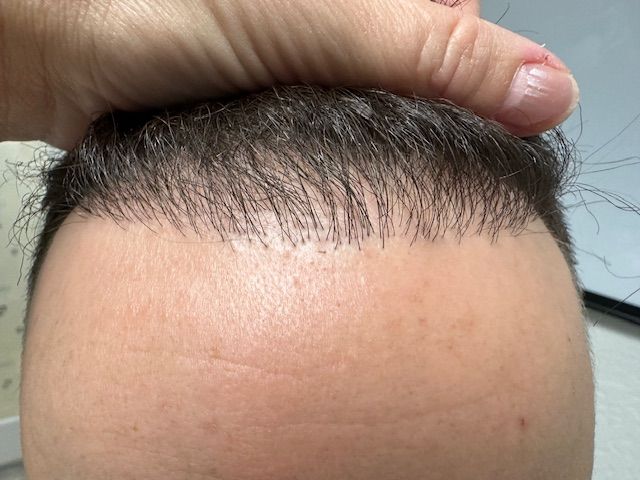


Your transplanted hairs will require regular trimming to maintain a neat and natural appearance. It's a good idea to schedule regular appointments with your hairdresser to ensure your hair looks its best as it grows out.
Nine to Twelve Months: Filling Out
By nine to twelve months post-op, your transplanted hair should have reached a significant length, providing noticeably improved coverage and density. Your hairline will look more defined, and any thinning or bald patches should be noticeably reduced. At this stage, your hair should blend seamlessly with your existing hair, creating a natural, youthful appearance.
While the majority of the hair transplant results will be visible by this point, the transformation continues. Your transplanted hairs will continue to grow and thicken, ultimately providing long-lasting, natural-looking results.
Embarking on a hair transplant journey is an exciting step towards regaining your confidence and restoring your hair. By understanding the recovery process and what to expect, you can approach your transformation with optimism and enthusiasm. It's essential to remember that everyone's journey is unique, and while these pictures provide a general idea, your experience may vary. Consult with a qualified hair transplant surgeon to discuss your specific needs and develop a personalized plan for your hair restoration journey.
Related Articles

Tattoo Removal Before & After Photos: See the Results
Tattoo removal has become increasingly popular in recent years, with many people choosing to alter or remove ink from their skin for a variety of reasons...

Transformative Acne Scars Before & After Photos
Are you tired of looking in the mirror and seeing acne scars? Have you considered the transformative power of treatments but are skeptical about the results?...
Hair Transplant Before & After Images: Transformations Revealed
If you're considering a hair transplant, you're likely curious about what the process entails and how transformative the results can be. One of the best ways...

Revealing Results: Before & After Chemical Peel Pictures
Imagine looking in the mirror and seeing smooth, even-toned, and glowing skin. Achieving this complexion is possible with a chemical peel treatment, a popular...

Earthquake Proofing: Before & After Pic Gallery
Earthquake proofing our homes and communities has become an increasingly crucial aspect of disaster risk mitigation, given the global occurrence of these...

Chicken Molting Pictures: Stunning Before & After Transformation
Ever wondered what happens when your once vibrant, glossy-feathered chicken starts to look a bit ragged and dull? You might be witnessing a natural phenomenon...