Google's Green Hex Code: Unleashing Color in SEO
Ever wondered about Google's commitment to sustainability? You might have come across Google's Green Hex, a symbol of their pledge to reduce carbon emissions and transition to net-zero. Let's dive into the world of Google's green initiatives, focusing on the illuminating Green Hex.
Google, the tech behemoth, has set lofty sustainability goals. One of their most visible commitments is their promise to run on 24/7 carbon-free energy by 2030. This ambitious target is not just a tagline but a series of strategic measures, one of which is the Google Green Hex.
Understanding Google's Green Hex
The Google Green Hex, a six-sided green geometric shape, is more than just a logo. It's a testament to Google's dedication to powering its data centers with 100% renewable energy. First introduced in 2017, it quickly became an iconic symbol of Google's sustainability efforts.
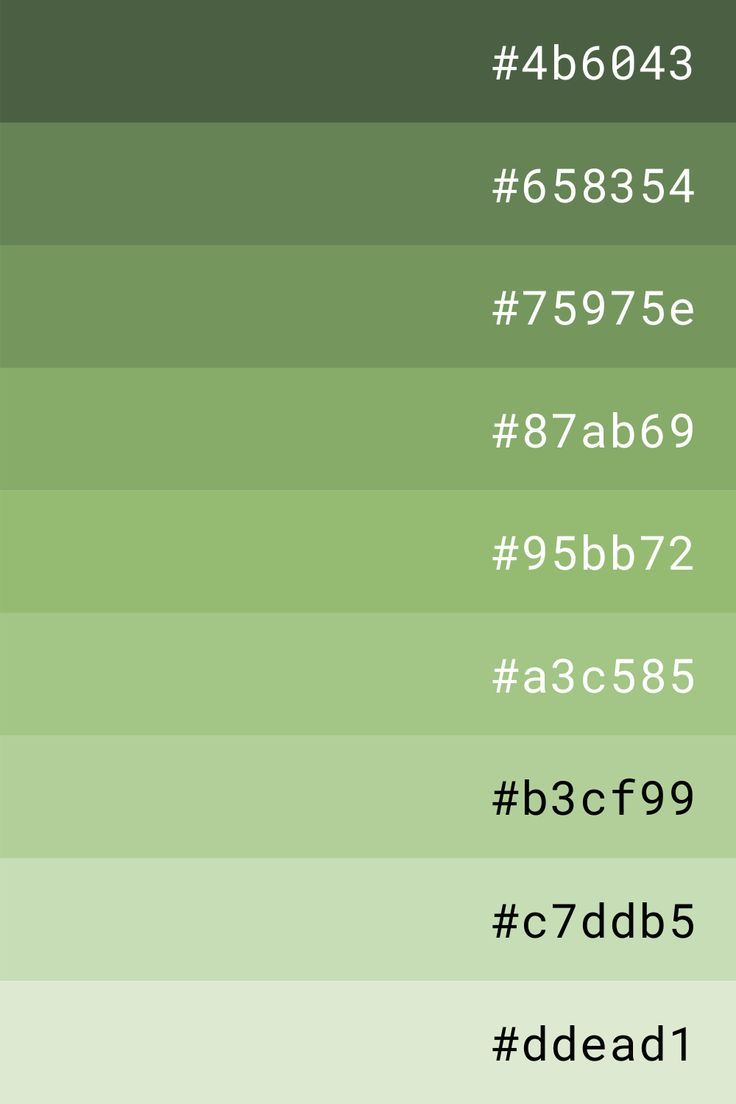


The design itself is symbolic. Each side of the hexagon represents a different renewable energy source - wind, solar, hydro, geothermal, and rooftop solar, with the sixth side signifying the sum of these clean energy sources.
The Green Hex Principles
Google's Green Hex is more than a symbol; it's a set of principles. These include matching every kilowatt-hour of energy they consume with an equivalent amount from renewable sources. The initiative ensures that their operations are carbon-neutral every year.


Moreover, Google is meticulous about how they track and communicate their clean energy purchases. They adhere to the clean energy principles set by the World Wildlife Fund (WWF), ensuring transparency and accuracy in their reporting.
Google's Energy Mix
Google's clean energy mix is diverse. As of 2021, their renewable energy portfolio includes wind (47%), solar (30%), and hydro (7%) projects, along with other sources like geothermal and rooftop solar. This diversified approach ensures energy security and minimizes the impact of weather-dependent factors.
Google's largest wind and solar projects are spread across the globe, from Minnesota to Chile, demonstrating their commitment to global sustainability.


Google's Carbon Footprint and Offset
Beyond the Green Hex, Google is also actively working to reduce its overall carbon footprint. They have joined the RE100 initiative, committing to 100% renewable energy across their operations. However, they also understand the importance of offsetting their current emissions until they reach their goal.
Google has founded the Carbon Footprint Fund, dedicated to supporting projects that offset their unavoidable emissions. These projects are certified by the Verified Carbon Standard, ensuring they meet rigorous environmental and social standards.
Google's Technical Innovation in Sustainability
Google isn't just about green energy purchases; they're also invested in technological innovation. They've developed machine learning models to better predict energy usage in their data centers. By optimizing their use of energy, they're effectively reducing their carbon footprint.


Moreover, they've shared their cooling technologies openly, allowing other data centers to follow suit. This knowledge sharing is another step towards a more sustainable future in the tech industry.
Google's Green Hex is more than a logo; it's a testament to Google's ongoing commitment to the environment. As their journey illustrates, sustainability is not just a goal, but a continuous drive towards a cleaner, greener future.
Related Articles

Christmas Green Color Code: #Hex Value for Festive Designs
Adding a touch of green to your digital Christmas decorations? You're in luck! With the power of HTML and CSS, you can create vibrant, festive hues to bring...

Green Yellow Color Code
The green yellow color code, a harmony of vibrant green and sunny yellow, is a captivating blend that has a profound impact on our visual perception and...

Hex Color Code for Dark Green: #008000
When it comes to representing colors in digital environments, the Hexadecimal (Hex) color code system is extensively used. It's a numerical way of depicting a...

Emerald Green Color Code: #008000
In the dynamic world of design and technology, color plays an indispensable role. Emerald green, a vibrant and radiant hue, is increasingly gaining traction...

Google Blue Color Code: #1F3A93
The distinctive blue color that saturates the Google logo and interface is not just an aesthetic choice, but a strategic one that holds significant weight in...
Hex Code Generator: Google's Ultimate Colors
Ever found yourself faced with an endless array of color swatches, struggling to find that perfect hue for your digital project? Fear not! The Google Color...