Goddess Names for Girls: Unveil the Divine
Discovering the perfect name for your precious little girl can be a mystical journey, much like seeking the wisdom of Greek goddesses. In many cultures, goddess names for girls have been bestowed upon newborns, imbuing them with strength, beauty, and divine grace. These names have stood the test of time, maintaining their allure and significance. Today, parents continue to choose goddess names, captivated by their interpretative meanings and rich histories.
Embarking on this enchanting path, you might wonder: "Which goddess name should I choose for my daughter?" This article aims to guide you through the world of goddess names, exploring their origins, meanings, and uniqueness. We'll delve into Greek, Roman, and Hindu goddesses, among others, unveiling a treasure trove of divine names that can inspire and enlighten your search.
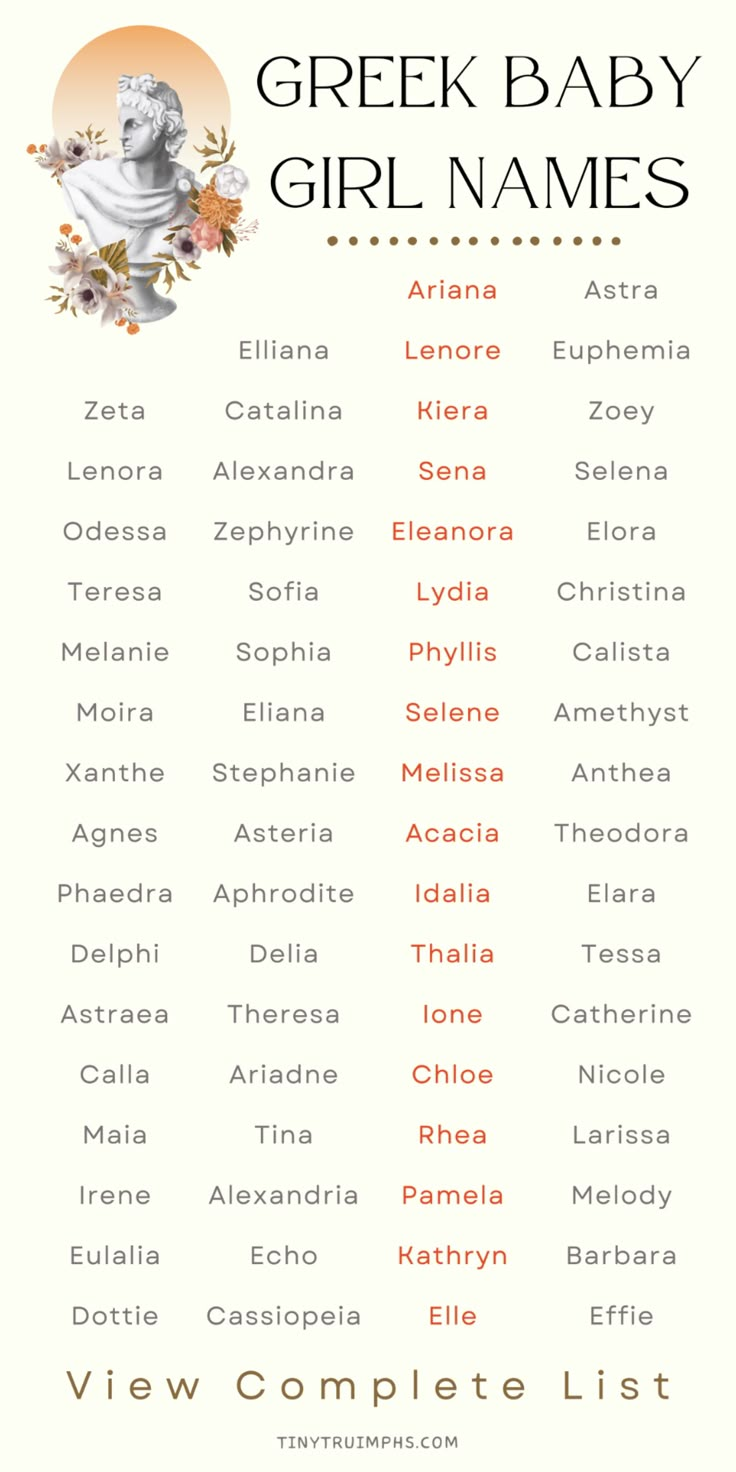
Greek Goddess Names
In ancient Greece, mythology is rife with powerful goddesses that personify various aspects of life. Their names carry profound meanings and inspire eternal fascination.


Greek goddess names for girls often begin with the prefix 'A-', 'H-', or 'E-', making them uniquely recognizable. Here, we explore two exquisite examples:
Athena
Athena, the virgin goddess of wisdom and warfare, is a top choice among Greek goddess names. She sprang fully-grown and armored from the forehead of Zeus, symbolizing her untarnished strength and intellect. Naming your daughter Athena signifies your hope for her to embody these noble traits.


Variations such as Athene and Athanasia offer slight alterations while retaining the goddess's essence. In Greek, Athena's name translates to 'mind' or 'észності', reflecting her patronym over strategic warfare rather than brute force.
Hera
Hera, the queen of the gods and goddess of marriage and family, is another potent Greek goddess name. She ruled Mount Olympus beside her husband, Zeus, often depicted as a radiant, majestic figure. Choosing Hera for your daughter signifies your wish for her to grow into a benevolent, protective, and majestic woman.
Hera's name is derived from the ancient Greek word 'hérō', meaning 'hero', reflecting her role as the protectress and benefactor of heroes. Variations like Hieromneme and Jeramie offer modern twists on the classic goddess name.




Roman Goddess Names
Roman mythology pays tribute to many unique goddesses, with names that echo their distinct roles and functions. Roman goddess names often derive from Latin roots, offering a blend of classical elegance and strength.
Two enduring Roman goddess names are discussed below:
Minerva
Minerva, the Roman counterpart of Athena, is the goddess of wisdom, arts, and crafts. A daughter of Jupiter, she was said to have sprung from his forehead, much like Athena. Naming your daughter Minerva indicates your aspirations for her to embody intellect, creativity, and strategic prowess.


Minerva's name is derived from the Latin word 'mens', meaning 'mind'. In Roman mythology, she is often depicted as a mature, wise woman adorned with an owl – a symbol of her wisdom and intelligence. Minerva's variants, such as Minnie and Minerve, provide modern alternatives without diluting her divine heritage.
Juno
Juno, the Roman counterpart of Hera, is the goddess of marriage, women, and the home. As Jupiter's wife and queen of the gods, she embodies female power and sovereignty. Naming your daughter Juno signifies your hopes for her to grow into a strong-willed, nurturing, and protective woman.
Juno's name is derived from the Latin word 'i Población', meaning 'to give joy'. She is often depicted as a mature, draped figure, symbolizing her role as a protector and patroness of women. Juno's variants, like Juna and Junia, offer modern alternatives while retaining the goddess's essence.
Hindu Goddess Names
Hindu mythology boasts a rich pantheon of goddesses, often depicted as patronesses of various aspects of life and cosmic phenomena. Hindu goddess names offer a unique blend of spirituality, wisdom, and cultural heritage.
Two mesmerizing Hindu goddess names are explored below:
Saraswati
Saraswati, the goddess of knowledge, music, arts, and wisdom, is a captivating choice for a daughter's name. Often depicted with four arms, holding sacred texts, a musical instrument, and making the gesture of fearlessness, she embodies divine learning and expressive arts. Choosing Saraswati signifies your aspirations for your daughter's intellectual growth and artistic prowess.
Saraswati's name is derived from the Sanskrit word 'sara', meaning 'essence', and 'sva', meaning 'self'. She is worshipped as the 'Mother of the Vedas', the sacred Hindu texts, reflecting her essential role in promoting divine knowledge and culture.
Lakshmi
Lakshmi, the goddess of wealth, prosperity, fertility, and good fortune, is another enchanting Hindu goddess name. She is often depicted with four arms, holding symbols of abundance and fertility, and surrounded by lotus blooms. Naming your daughter Lakshmi signifies your hopes for her to possess these divine virtues and bring prosperity to those around her.
Lakshmi's name is derived from the Sanskrit word 'laksh', meaning 'aim' or 'goal'. As the consort of Vishnu, the preserver god, she is also known as Shri or Tulsi, reflecting her role as the embodiment of grace, purity, and love.
In the enchanting realm of goddess names for girls, there's a divine appellation for every unique spirit. Whether you're drawn to the intelligence and wisdom of Athena, the nurturing grace of Hera, or the prosperity-bringing Lakshmi, these names offer profound meanings and timeless allure. Whichever goddess name you choose for your daughter, may it guide and inspire her throughout her life's journey.
Related Articles

Kanya Name Meaning: Divine and Powerful Sanskrit Names for Girls
Delving into the rich tapestry of ancient Indian culture, we find a treasure trove of meaningful names, especially among the beautiful girl names from the...

Hindu Goddess Names for Baby Girls
Naming a baby girl is a joyous occasion filled with anticipation and excitement. For many parents, the task is made all the more meaningful when they choose a...

Divine Felines: Celestial Goddess Names for Cats
In the enchanting world of felines, naming your feline companion can be a delightful and creative task. If you're a cat lover with a penchant for the mystical...

Greek Goddess Names for Girls
Dive into the rich tapestry of Greek culture and heritage with a journey through beautiful and meaningful Greek names for females. These names, steeped in...

Diving into Divine Names: Queen and Goddess Meanings
In the vast realm of names, there exist some that evoke regal or divine images, imbuing their bearers with a sense of power, grace, or divine favor. These...

Modern Goddess Oracle: Unveil Your Divine Awareness
The Modern Goddess Oracle: A Timeless Guide for today's Women In the dynamic world we live in today, women are constantly seeking guidance, inspiration, and...