Mastering Fox Drawing: Step-by-Step Picture Tutorial
Harnessing the unique spirit of the enigmatic fox in your art is an exciting challenge.Foxes are captivating creatures, characterized by their bushy tails, pointed ears, and mischievous expressions. Drawing them can be a rewarding experience, and today we explore various techniques and styles to help you capture the essence of these fascinating animals in your artwork.
From their playful nature to their elusive presence, foxes offer a wealth of inspiration. Whether you're a seasoned artist or just beginning, this guide will help you master the art of fox drawing. Let's dive into the world of foxes and unlock your artistic potential.
Understanding the Anatomy of a Fox
The first step in capturing the essence of a fox in your artwork is understanding its anatomy. Foxes have a unique balance between wild predator and domesticated friend, which is reflected in their physical features. Key characteristics include:


1. Head and Face: A fox's head is triangular, with a pointed muzzle, large, triangular ears, and expressive eyes. Their fur is typically organized in such a way that it creates distinctive markings around the eyes and muzzle.
Sketching the BasicFox Shape
To begin your fox drawing, start by sketching a basic,\User-friendly shape that resembles a fox's form. This initial sketch will serve as a guideline for your final artwork. Here's a simple step-by-step process:


- Draw a small, elongated oval for the body, with a slightly wider area at the chest and rump.
- Add a larger, elongated oval for the fox's neck, connected to the body.
- Sketch a long, tapering triangle for the muzzle, larger at the base where it connects to the head and pointed at the tip.
- Draw two large, triangular ears on top of the head, pointing upwards and slightly backwards.
- For the legs, draw four short, stocky lines, tapering to a point. Your fox should now have a basic, simplified shape.
Refining the Fox's Form
With the basic shape established, it's time to refine and add more detail to your fox drawing. Consider the following aspects:
- Proportions: Foxes have a slender, agile body, with their legs proportionally shorter than those of dogs or cats. Ensure your fox maintains this slender, streamlined appearance.
- Musculature: While foxes are lithe and agile, they are still powerful predators. To convey this strength, add subtle muscle definition to your fox's shoulders, back, and legs.
- Facial Features: Using your initial sketch as a guide, refine the fox's head and face. Include expressive eyes, a defined muzzle, and distinctive fur markings.
Fox Fur and Markings
Foxes come in a variety of colors and patterns, ranging from the more common red and silver varieties to the exotic black and white. Understanding how to depict fox fur is essential for creating a believable, lifelike fox drawing.
Fox fur is typically dense and plush, with the undercoat being a lighter color than the guard hairs. To capture the texture of fox fur, use short, fine lines for the undercoat, graduating to longer, slightly uneven lines for the guard hairs. For colored foxes, use a combination of dark and light lines to create depth and dimension.


Depicting Distinctive Markings
Foxes have unique facial markings, often featuring a narrow, darker stripe running down the muzzle, known as a "black-tip." Other common markings include:
- White Rankeen - a white fur patch around the nostrils and below the eyes.
- Eyebrows - dark, bushy tufts of fur above the eyes.
- Jowls - longer, darker fur on the sides of the face, below the ears.
To accurately depict these markings, sketch them lightly using short, darkened lines, ensuring they follow the natural contours of the fox's face. Once you're satisfied with your sketch, go over the lines with a darker, more confident stroke.
Депикция Продуктивной Шерсти и Освещения
When depicting fox fur, it is essential to consider lighting and shading to create a more dynamic and lifelike image. Here's how to incorporate these elements into your fox drawing:



- Lighting: Identify the direction of the light source and sketch subtle lines in the direction of the light. These lines, known as highlights, will help create the illusion of volume and depth.
- Shading: Once you've established your highlights, add shading by drawing abbreviated lines that roughly follow the shape of the fox's form. These lines should be darker and more densely packed in areas of shadow and fade into light as they approach the highlights.
Drawing Foxes in Various Styles
Foxes are a versatile subject matter, lending themselves well to a variety of artistic styles. Experiment with different techniques to discover which one resonates most with you and your artistic goals.
Whether you prefer realistic representations or more stylized, cartoony interpretations, incorporating diverse styles into your fox drawings will help you grow as an artist. Let's explore a few popular fox drawing styles:
реалистичный Стиль
For a more lifelike fox drawing, focus on accurate anatomy, naturalistic fur, and nuanced shading. When drawing realistically, it's essential to maintain a keen eye on details and proportions. Use references and study the animal's anatomy to ensure authenticity.
-Карточный или Стилизованный Стиль
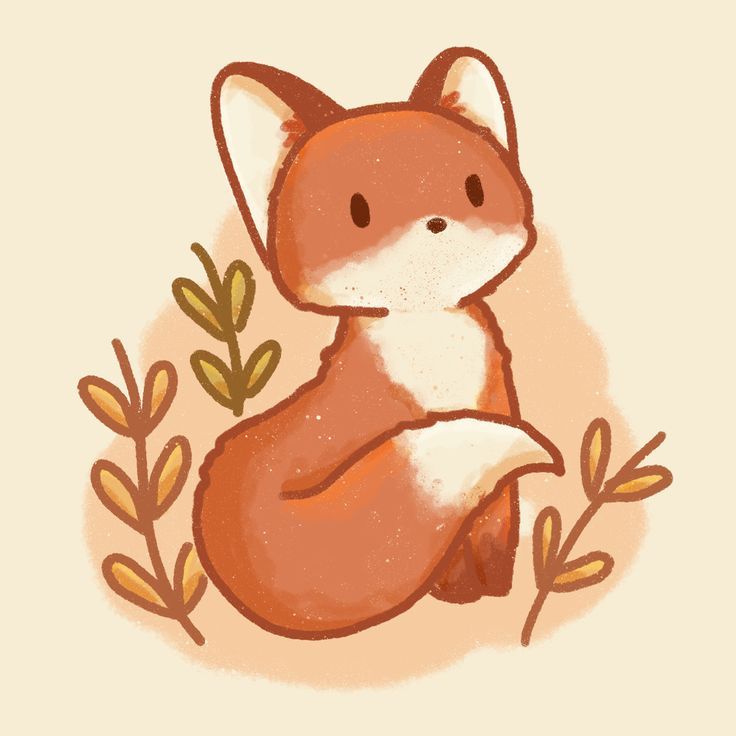
Creating cartoon or stylized fox drawings allows for more flexibility in interpretation. Feel free to exaggerate features, simplify forms, and experiment with vibrant colors. This style is perfect for children's illustrations, animations, or expressing a more playful, whimsical aesthetic.
Акварель или Цветные Карандаши
Using watercolors or colored pencils can result in stunning, atmospheric fox drawings. Distribute colors subtly, allowing them to blend and overlap naturally. Experiment with different techniques, such as wet-on-wet for a more dynamic effect with watercolors, or layering and blending with colored pencils.
Incorporating diverse styles into your fox drawings will not only help you grow as an artist but also keep your art fresh and engaging. Don't be afraid to explore and experiment with various mediums and techniques.
As you continue your artistic journey, remember that practice and patience are key. Don't rush your fox drawings; take the time to refine and perfect each line and shape. The more time and effort you invest in your artwork, the more rewarding the result. So, grab your pencils, papers, and let the creativity flow! Now that you've learned the fundamentals of fox drawing, it's time to unleash your inner artist and create stunning, captivating images of these remarkable creatures.
Related Articles

Mastering the Pumpkin Nose: Step-by-Step Drawing Tutorial
Ever wondered how to transform a simple pumpkin into a fun, quirky character with just a few added details? The pumpkin nose drawing technique is a delightful...

Mastering Miraculous Ladybug: Step-by-Step Drawing Tutorial
Are you a fan of the popular animated series "Miraculous: Tales of Ladybug & Cat Noir"? If you're eager to channel your inner artist and capture the enchanting...

Mastering Park Scenery: Step-by-Step Picture Drawing Guide
Picture a serene park scene: kids laughing on the swings, leaves dancing in the breeze, a gentle sun-kissed sky. Now, capture this idyllic moment with a park...

Mexico Flag Drawing Tutorial: Easy Step-by-Step Guide
The Mexican flag, a symbol of national pride and history, is recognized worldwide for its vibrant colors and intricate design. The History Behind the Mexican...

Step-by-Step Arrancar Mask Drawing Tutorial
Wondering how to create captivating Arrancar masks in your drawings? You're in the right place! Arrancar masks, a hallmark of the Bleach universe, are...

Learn to Draw a Dalmatian: Step-by-Step Dog Breed Art Tutorial
A Dalmatian dog drawing can be a delightful way to capture the essence of this unique breed, known for their distinct black or brown spots against a white...