Fortnite Color Code Tutorial
Fortnite, the popular online video game developed by Epic Games, has captivated millions of players worldwide with its vibrant and dynamic landscapes. One of the most striking features of the game is its vivid and diverse color palette, which contributes significantly to the overall gaming experience. Let's delve into the world of "Fortnite to color" and explore how colors are utilized to create an immersive gaming environment.
Colors in Fortnite serve multiple purposes. They help to distinguish different environments, provide visual cues for players, and contribute to the game's aesthetic appeal. The use of color is particularly evident in the game's different seasons, during which the overall color scheme and specific locations undergo significant changes.
Understanding the Fortnite Color Scheme
Fortnite's color scheme is not arbitrarily chosen. It is a careful blend of colors that creates a visually distinct and appealing world. The game employs a wide range of hues, from lush greens and blues in the rural areas to vibrant purples and pinks in more fantastical locations.


For instance, the initial release of Fortnite, known as Fortnite Season 1, was characterized by a predominantly green and brown color scheme, reflecting its rural and wilderness setting. As the game progressed, the introduction of new seasons and locations led to a broader and more diverse color palette.
Colors and Gameplay Mechanics
Colors in Fortnite are not mere visual embellishments; they are integral to the gameplay mechanics. Certain colors are associated with specific materials or environmental features. For example, blue is often used to indicate water bodies or Phelps, the game's in-world ice cream treat, while red is associated with high-danger zones and fire sources.


Moreover, colors are used to indicate different rarity levels of items in the game. Common items are often grey, while rare and epic items are typically colored blue or purple. This color-coding system helps players to quickly identify and prioritize valuable resources during gameplay.
Colors and Thematic Seasons
Every season in Fortnite comes with a unique theme and color scheme. For example, Season 8 introduced a pirate-themed map filled with vibrant blues, greens, and golds, while Season 9 featured a futuristic neo-Tokyo-inspired cityscape with neon lights and bold, contrasting colors.
A compelling illustration of this is Season 7's icy theme, where the island was covered in a thick layer of snow and ice, opening up new challenges and exploration opportunities. The stark contrast of the white snow against the brilliant, wintry blue skies created a striking aesthetic that set it apart from previous seasons.


The Impact of Color on Player Experience
The strategic use of color in Fortnite doesn't just make the game visually appealing; it also impacts the player's experience and gameplay strategy. Colors help players navigate the map, spot enemies, and make quick decisions in the heat of battle. For instance, the redirection of a player's gaze towards a bright, neon sign can indicate the presence of an enemy sniper, guiding them to take evasive action.
A well-designed color scheme can also influence the player's perception of the game world, making it feel more immersive and engaging. For example, the shift from the bright, vibrant colors of the day to the dark, shadowy hues of nighttime can create a sense of urgency and danger, changing the way players approach gameplay.
Color and Adaptability in Fortnite
Fortnite's programmers have done an excellent job of integrating color into the game's adaptability features. The color{tikzpicture} of the player's health bar, shield bar, and build bar changes based on their current status, providing a quick visual cue about their character's state. Similarly, colors are used to indicate different kinds of environmental dangers, such as lava, storm eyewall, or the storm itself.


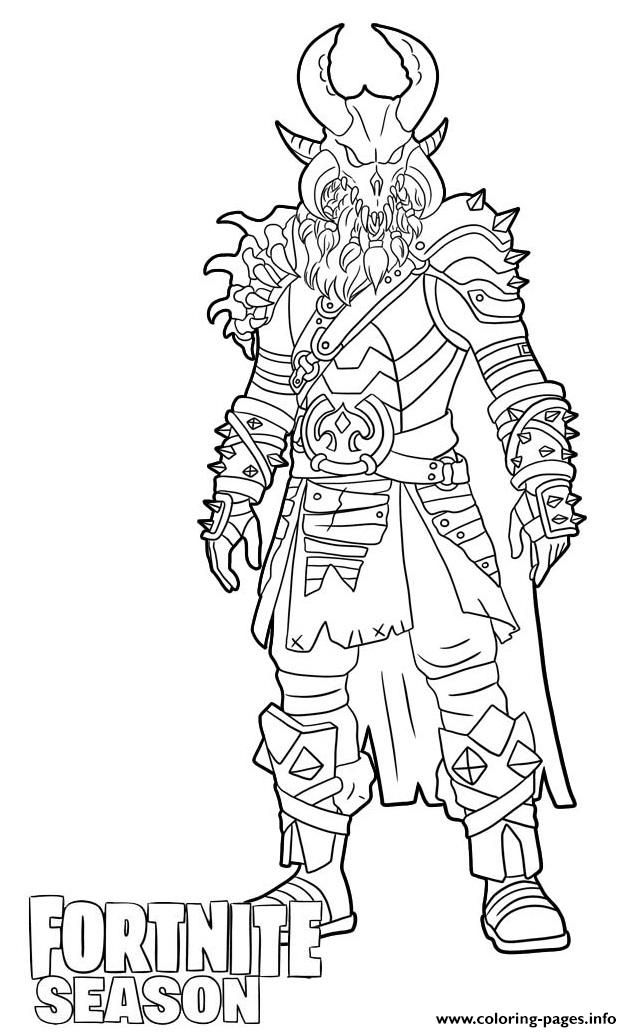


Moreover, with the introduction of near-future technology in recent seasons, the game has incorporated more vibrant, futuristic colors into the map. This not only changes the aesthetic but also allows players to adapt to new gameplay mechanics.
Predicting Future Color Trends in Fortnite
As Fortnite continues to evolve, it's exciting to consider what color trends might emerge in future seasons. Given the game's history of drawing from a wide range of themes - from ancient history to futuristic technology, it's safe to say that we can expect a diverse range of color palettes. It will be interesting to see how these new color trends influence both the aesthetics of the game and the gameplay experience.
In conclusion, colors are not just a backdrop in Fortnite; they are integral to the game's mechanics, aesthetics, and player experience. They provide visual cues, influence player behavior, and create a dynamic, engaging gaming environment. As Fortnite continues to grow and evolve, one can only imagine the exciting color trends and innovations that will be introduced in the coming seasons.
Related Articles
Fortnite: Color It Your Way
Fortnite, the popular online game developed by Epic Games, has captivated millions of players worldwide with its vibrant, visually stunning graphics. One of...

Christmas Green Color Code: #Hex Value for Festive Designs
Adding a touch of green to your digital Christmas decorations? You're in luck! With the power of HTML and CSS, you can create vibrant, festive hues to bring...

Watermelon Color Code: Hex Codes & More
Ever browsed through design inspiration platforms and wondered about the vibrant green squares with '#' symbols next to images? Those are hex codes, and today...

Salmon Hex Code: Color Guide & Uses in Design
Discovering the perfect shade for your web design can be a daunting task, especially when you're aiming for a specific color like salmon. Enter the world of...

Mulberry Color Code: Hex & RGB Values
Looking to add a touch of elegance to your digital designs or wish to understand a specific shade better? You've likely encountered the need to know a mulberry...

"Discover RGB Dark Brown Color: Code & Matching Palettes"
When discussing color in the digital world, one can't overlook the versatile and earthy shade that is dark brown. In the RGB color model, a popular standard in...