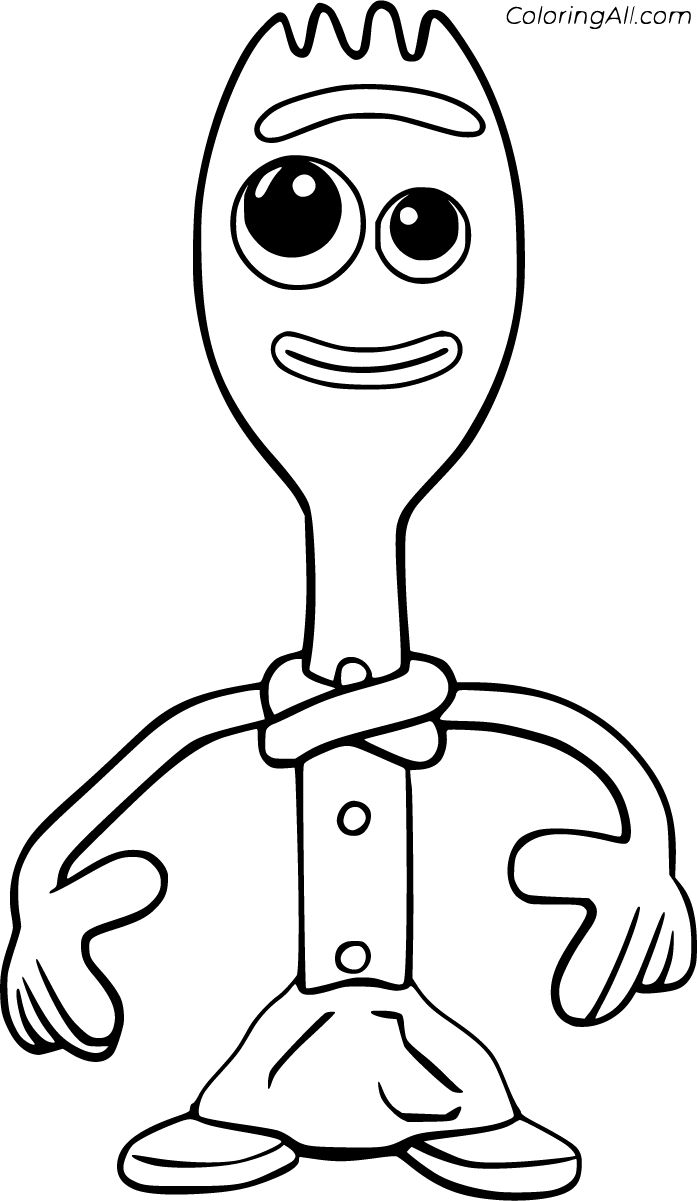
Fork Toy Story
The iconic, beloved trilogy that is 'Toy Story' has left an indelible mark on generations of moviegoers, captivating both children and adults with its heartwarming tales of friendship, bravery, and the true meaning of being a 'toy'. A brainchild of Pixar Animation Studios and distributed by Walt Disney Studios Motion Pictures, this groundbreaking series has consistently been at the forefront of technological advancements in animation, pushing the boundaries of what's possible in film.
Since its inception in 1995, 'Toy Story' has been a timeless classic, spawning two successful sequels and a TV series, with a fourth installment slated for release in 2022. Its enduring popularity lies not just in its impeccable storytelling, but also in its innovative use of computer-generated imagery (CGI) and voice acting that transcends age barriers.
The Evolution of CGI: 'Toy Story' as a Pioneer
'Toy Story' was a seminal work in the field of computer animation, pioneering the use of CGI in feature-length films. The film's release marked a turning point in cinema, signaling the start of a new era where computers were increasingly capable of creating compelling, realistic visuals.


The first 'Toy Story' film set a new standard for animation, with its lifelike character designs and meticulously detailed environments. It laid the groundwork for future CGI projects, directly influencing the development of subsequent animated films and paving the way for the integration of CGI into live-action films.
Technological Innovations in 'Toy Story' Sequels
With each installment, 'Toy Story' continued to push technological boundaries. 'Toy Story 2' introduced advancements in reflection rendering, allowing for more realistic surfaces and greater detail in the characters' fur and plastic textures. 'Toy Story 3', meanwhile, showcased advancements in global illumination, providing more natural and believable lighting effects.


'Toy Story 4' promises to build on these innovations, with upgrades in motion capture technology and an even greater emphasis on detail. The toy characters, now more lifelike than ever, are set to deliver an even more immersive viewing experience.
'Toy Story' and the Rise of Voice Acting
While 'Toy Story' is renowned for its visual innovations, it's also made substantial contributions to the art of voice acting. The trilogy has attracted some of Hollywood's biggest stars, with Tom Hanks, Tim Allen, and Don Rickles among the many A-listers who've lent their talents to the series. Their performances have brought depth and emotional resonance to the characters, making the toys feel truly alive.
The series' innovative use of voice actors has highlighted the potential of voice acting as an art form in its own right, leading to an increase in prominence and respect for voice-over artists in general. The recognition and accolades some 'Toy Story' cast members have received underscore the impact the films have had on the industry.


Themes and Storytelling in 'Toy Story'
Beyond its technical achievements, 'Toy Story' has also set itself apart with its powerful storytelling and heartwarming themes. Central to the series is the idea that toys possess consciousness and emotions, making them relatable and sympathetic characters in their own right. This approach has allowed 'Toy Story' to tackle complex themes, such as the passage of time, the inevitability of change, and the importance of friendship, with nuance and depth.
The films' examination of these themes has resonated with audiences, striking a chord with people of all ages. Despite their premise, 'Toy Story' movies don't talk down to their younger audience; instead, they convey sophisticated ideas with a simplicity and clarity that's accessible to everyone.
The Evolution of Character Arcs in 'Toy Story'
Throughout the series, the main characters – Woody, Buzz, and the others – have evolved and grown, changing and developing in ways that feel organic and authentic. Andy's growing up, and the subsequent rehoming of many of the toys, has provided ample opportunity for the exploration of themes like loss, nostalgia, and the cycles of life.


'Toy Story' has masterfully used these character arcs to build emotional investment in the audience. By creating characters we care about, the series ensures that we're fully engaged with their stories, ready to experience every thrill, heartache, and triumph along with them.
The Legacy of 'Toy Story'
'Toy Story' has had a profound and lasting impact on the world of cinema. It's spawned a host of imitators and led to a boom in CGI animation. Moreover, it's served as a benchmark for quality in animation, with future films measured against its standard.
Yet, perhaps its most significant legacy is the joy it's brought to audiences everywhere. For over two decades, 'Toy Story' has been a constant presence in our lives, providing us with laughter, tears, and unforgettable memories. Its influence can be seen in countless films and television shows, and its impact on popular culture is undeniable. And as we look ahead to the next chapter in the 'Toy Story' saga, we know that its legacy will continue to grow.
As we eagerly await the next installment in the 'Toy Story' franchise, we're reminded of the timeless truth at the heart of these films: that it's not just toys that have feelings, stories, and dreams – it's all of us. And, just like our favorite plastic pals, we too are capable of incredible, magical journeys. So, buckle up and keep the adventure alive!
Related Articles

Interactive Love Story Games Online
Immerse yourself in romantic adventures with interactive love story games online, an engaging digital escape into captivating narratives that intertwine...

Three Little Pigs: The Iconic Fairy Tale
The Three Little Pigs is a beloved nursery tale that has been passed down through generations, with its origins tracing back to 1840. This iconic story tells...

"Missing Cat Found, Jumps for Joy: Reunion Story"
Have you ever witnessed a cat's agile movements, leaping from one point to another with remarkable ease? Then, you must have been baffled when your feline...

Yoshi Bedtime Story: Lull Your Little Ones to Sleep Tonight
When it's time for little ones to wind down, capturing their imagination with a bedtime story is a cherished tradition. Often, these moments become fond...

Goldilocks and the Three Bears Storybook: Illustrations Included
The classic fairy tale of Goldilocks and the Three Bears, first published in 1837, is a timeless story that has enchanted children and adults alike for...
Three Little Pigs Printable Story - Free PDF Download
The 'Three Little Pigs' is a timeless classic that continues to enchant children and adults alike, teaching them the value of perseverance, hard work, and...