First Row: Ultimate Boxing Graphics
Step into the thrilling world of boxing and you'll quickly encounter the term "first row." But what exactly does it mean, and how does it factor into this exhilarating sport? Let's delve into the exciting world of first row boxing and explore its significance, key components, and unwritten rules.
In boxing, the term "first row" isn't merely about the prime seats in an arena. It's a shorthand for the front line of offense, where boxers initially set the tone and test their opponent's mettle. It's where the action begins, and where the best-laid strategies meet raw determination and skill.
Understanding First Row Boxing Strategy
The first row strategy is the blueprint that a boxer employs to start a fight, testing their opponent's defenses, and finding weaknesses to exploit. It's a critical aspect of a boxer's game plan, as it sets the stage for the entire bout.


This strategy isn't one-size-fits-all, but rather a unique blend of techniques that plays to a boxer's strengths. It can involve a flurry of quick jabs, powerful hooks, or pinpoint accurate uppercuts. The key is adaptability, using the first row to gauge your opponent's reactions and adjust your strategy accordingly.
Jabs: The First Row's Sentinel
Jabs are the cornerstone of most first row strategies. They're quick, extend your reach, and allow you to probe your opponent's defenses without committing too much. A well-placed jab can set up power shots, disrupt your opponent's rhythm, and even Score points in scoring systems.


A common misconception is that jabs are only for light hitters. Even heavyweight champions like Muhammad Ali and Joe Frazier utilized jabs to charm their way to victory. It's not about power; it's about precision, timing, and control.
The Art of Combination Punching
After setting the stage with jabs, many boxers turn to combination punching for their first row strategy. Combining punches exploits openings in an opponent's defense, maximizing damage and minimizing reaction time. A classic one-two combination, for instance, involves a quick jab followed by a cross or hook.
However, there's no single "best" combination. Some boxers prefer three-punch combinations, others mix in uppercuts or hooks. The key is finding what works for you and sticking to it. Consistency is just as important as variety in a boxer's arsenal.


The Role of Footwork in First Row Boxing
First row boxing isn't just about standing still and throwing punches. Footwork is a crucial aspect of every effective boxing strategy. It allows you to control the distance, dictate the pace, and keep your opponent guessing.
Slipping, rolling, and shuffling are all integral to successful first row footwork. They enable you to avoid your opponent's counters, creating openings for your own attacks. Moreover, good footwork allows you to move in and out of range with ease, making it difficult for your opponent to time their counterattacks.
Slipping and Rolling: Dance the Dodge
Slipping and rolling are defensive maneuvers thatachsen boxers protect themselves while opening up attack opportunities. Slipping involves turning the body away from an incoming punch, nullifying its power and setting up a counter. Rolling, on the other hand, entails bending the knees and leaning back to avoid punches while maintaining balance.


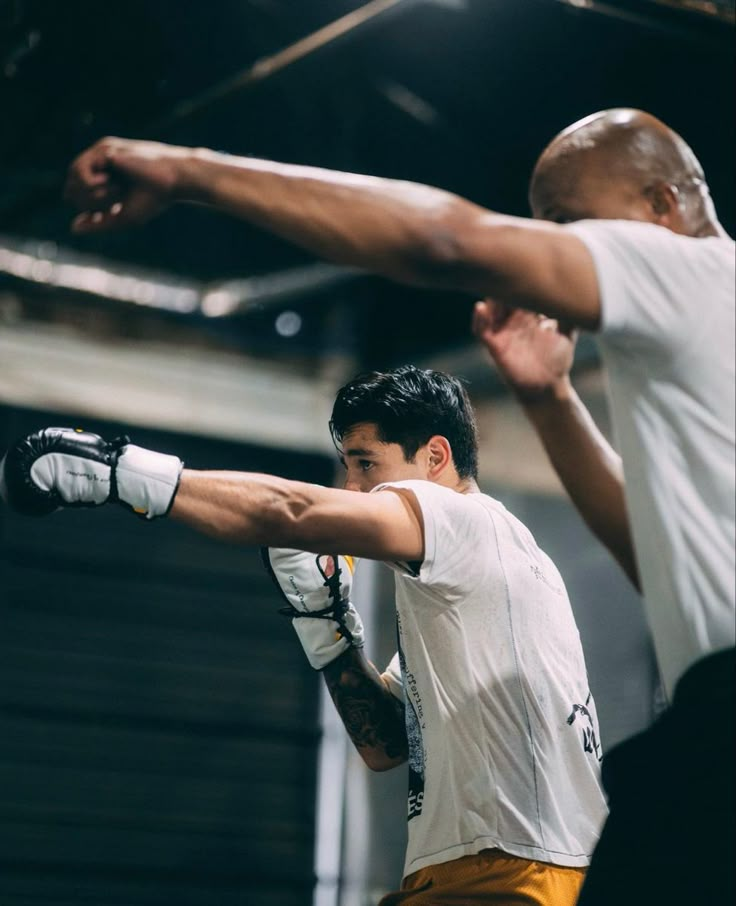


Both moves require practice and a keen eye for timing. But when mastered, they enable boxers to dance around their opponents, picking them apart at will. They're as much a part of first row strategy as any punch.
The Pivot and the Shuffle
The pivot and the shuffle are offensive movements that allow boxers to change angles and catch opponents off guard. The pivot involves rotating the feet to face a new direction, opening up new attack vectors. Meanwhile, the shuffle involves quickly stepping forward or backward to change range, keeping opponents guessing and throwing off their timing.
Used in tandem, the pivot and shuffle become lethal tools in a boxer's arsenal. They allow for fluid, unpredictable movements that can catch even the most experienced opponents off guard. Combine this with a solid first row strategy, and you've got a blueprint for success.
The world of first row boxing is vast and complex, encompassing a myriad of strategies, techniques, and personal styles. But at its heart, it's all about adaptability, control, and precision. Whether you're a seasoned boxer pf planning your first sparring session, understanding first row boxing is crucial for success in the ring.
So, step up to the challenge, step up to the first row, and let the action begin. Happy punching!
Related Articles

Ultimate Gift Guide: Best Gifts for First-Time Moms
Becoming a mother for the first time is an incredibly exciting and rewarding journey. To help welcome the new bundle of joy into the world, families and...

First To Meme: The Ultimate Guide to Starting Viral Trends
The internet is a vast canvas where humor, creativity, and the collective consciousness of humanity converge. One of the most interesting phenomenon to emerge...

Ultimate Baby First Birthday Checklist
The delightful milestone of a child's first birthday is a momentous occasion that deserves a joyful celebration. Planning a baby's first birthday party can be...

Cricut.com's Ultimate First Project ideas!
Embarking on your creative journey with Cricut can be an exciting endeavor, and starting with your first project is an important milestone. As you dive into...

"Boxing's Brilliant Black Eye: Ultimate Guide to Vital Facts & Treatment Tips"
black eyes, often mistakenly referred to as "shiners," are a common yet misunderstood aftermath of boxing and other forms of combat sports. Contrary to popular...

Ultimate boxing names
When it comes to naming a boxer, you want a name that's strong, memorable, and perhaps even a bit intimidating. After all, these boys (and girls) in the ring...