Epicures' Quotes on the Gods: A Culinary Journey Through Divinity
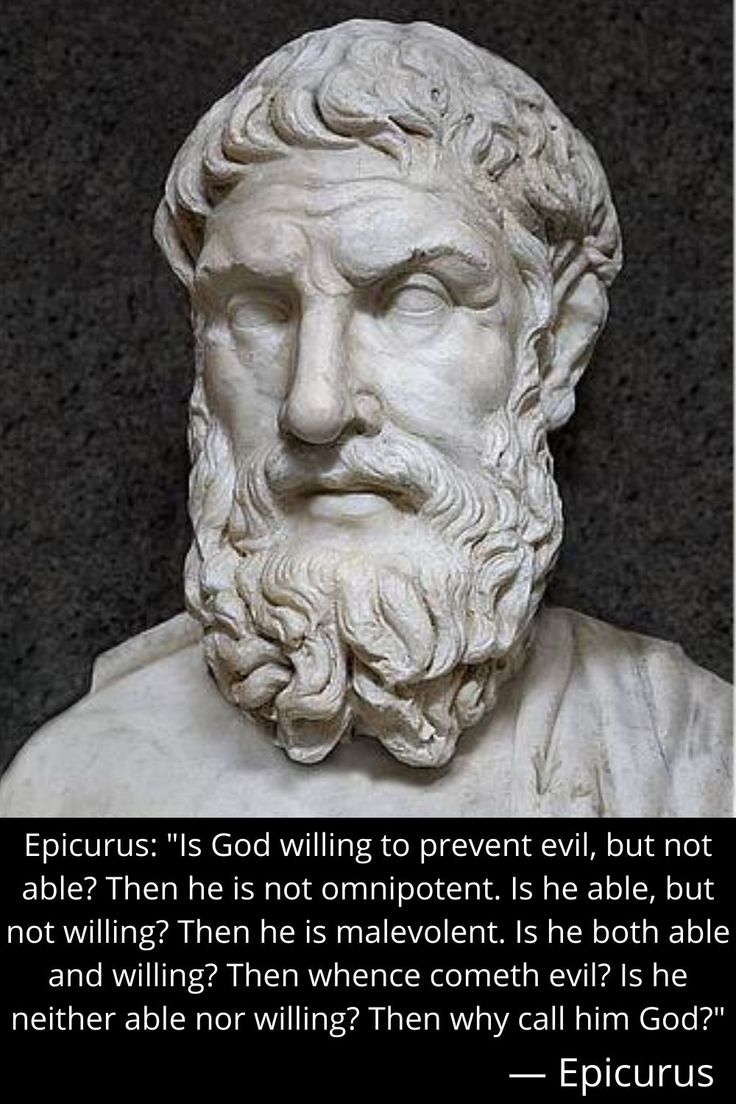
Epicurus, a Greek philosopher from ancient Athens, is attributed with numerous quotes about the gods and the nature of things. His philosophy, known as Epicureanism, encourages the pursuit of pleasure as the ultimate goal in life and advances the view that the gods, if they exist, are indifferent to human affairs and do not intervene in the world. Delving into Epicurus' quotes on the gods provides a fascinating glimpse into the philosophical landscape of ancient Greece.
Epicurus' views on theology and the divine were controversial for his time but resonate with many modern thinkers. He argues for a non-interventionist, indifferent view of the gods, stating that "the gods, indeed, exist, but they have no interest in human affairs."
Epicurus' God(s)
Epicurus envisioned the divine beings as intelligent, happy, and blissful entities residing in tranquil, undisturbed places in the universe. He describes them as follows, "the divine Being is a spirit free from care, who possesses a foreknowledge and perception of all things and is eternal and unfailingly happy."


He believed in a plurality of gods, not a single, omnipotent deity. This view, however, contradicts many of his contemporaries' beliefs. He also labors to dispel the fear of divine punishment, so prevalent in other Hellenic schools of thought, by insisting, "the gods will not visit the ungodly with evil, nor the good with good."
Gods and Fortune
In Epicurus' philosophy, the gods are not responsible for human fortune or misfortune. He says, "For what man of sound mind would knowingly break his cane or knife when there was another lying beside it whole?" Similarly, he believes that the gods, being wise and rational, would not knowingly cause harm to humans.


Instead, Epicurus attributes human fortune to chance and the atomic swerve, a concept in his physics. He argues that events occur spontaneously without divine intervention, saying, "You are not immortal in the same sense that gods are, nor will you always live."
Immortality and the Afterlife
Epicurus also provides insights into his views on immortality and the afterlife, stating, "Death, the most terrible of evils, is nothing to us, seeing that when we are, death is not, and when death is, we are not." He argues that death is not something to fear, as the state of death is not an existence and therefore, has no effect on us.
Furthermore, Epicurus theorized about the nature of the underworld, claiming it to be "a reality and not a figment of the poets' imagination," but no living area. He posited that the souls of the dead are scattered and do not maintain their consciousness.


Epicurean Ethics and the Gods
Epicurus' ethics are based on the principle of pleasure, but he is not advocating for hedonistic indulgence. Instead, he promotes the pursuit of reasonable pleasures and the avoidance of accrued pain or misfortune. His concept of happiness does not rely on divine intervention but is achievable by living virtuously and seeking knowledge.
He maintains the view that the gods, not being concerned with human affairs, are irrelevant to human happiness. Thus, the path to happiness lies not in divine favor but in personal virtue and wisdom, stating, "For the sake, then, of such great benefits, it is necessary to train oneself to be of great年代 and pure toward the gods."
Free Will and Divine Intervention
Epicurus believes in free will; humans are capable and responsible for their actions. The gods, though they may exist, do not control or influence human actions, allowing us freedom to make choices. He asserts, "otherwise, none of the things which happen in the universe would be in our power, and so we should not be able to commence any action whatsoever."




The lack of divine intervention, far from being a limitation, provides humans with the opportunity to shape their lives and achieve happiness through their choices.
In the end, Epicurus' quotes on the gods underscore a philosophy that is rational, human-centered, and free from divine interference. His teachings stress the importance of personal virtue, wisdom, and pleasure in this life, as these are the sure paths to happiness, not divine favor or intervention. Thus, the Epicurean life is one of contemplation, friendship, and pleasure, all rooted in the pursuit of wisdom.
Related Articles

Unleash Divinity: Inspiring Quotes from Powerful Gods
Throughout history, humans have sought solace and guidance from divine beings, often capturing their wisdom in profound quotes. These quotes, drawn from...

Transparent Background Family Quote Ideas
Create aíció and impactful family quotes collection with a transparent background, perfect for adding a touch of sentiment to any digital or printed project...

Apple Logo Evolution: A Visual Journey Through Time
The Apple logo, an iconic symbol of one of the world's most influential companies, has evolved significantly over the decades. This evolution offers a...

Time Travel Template: Embark on a Journey Through Time
In the realm of science fiction, few concepts captivate our imagination as much as time travel. While quantum physics and theoretical math allow for the...

Monsieur Perine: A Culinary Journey to Remember
Discover the culinary delight that is Monsieur Periné's comida, a fusion of Colombian soul and global influences. This vibrant, seven-piece musical group from...

Timeless Quotes on Parenting Through The Ages
Raising a child is one of life's most profound experiences, often referred to as a marathon rather than a sprint. It requires endless patience, unconditional...