Ecommerce Store Management
Managing an ecommerce store in today's competitive digital landscape is a dynamic and multifaceted task. It's not just about setting up an online shop and waiting for sales; it's about strategizing, executing, and continuously improving every aspect of your business. In this comprehensive guide, we'll delve into the intricacies of ecommerce store management, exploring the key areas you need to focus on to drive growth and success.
Whether you're a seasoned online retailer or just starting out, understanding and mastering the following aspects can make a significant difference in your ecommerce journey. Let's dive in and explore the world of ecommerce store management.
Understanding Your Customers and Market
At the heart of any successful ecommerce strategy lies a deep understanding of your customers and the market you operate in. This knowledge drives informed decisions and helps you stand out in the crowded online space.


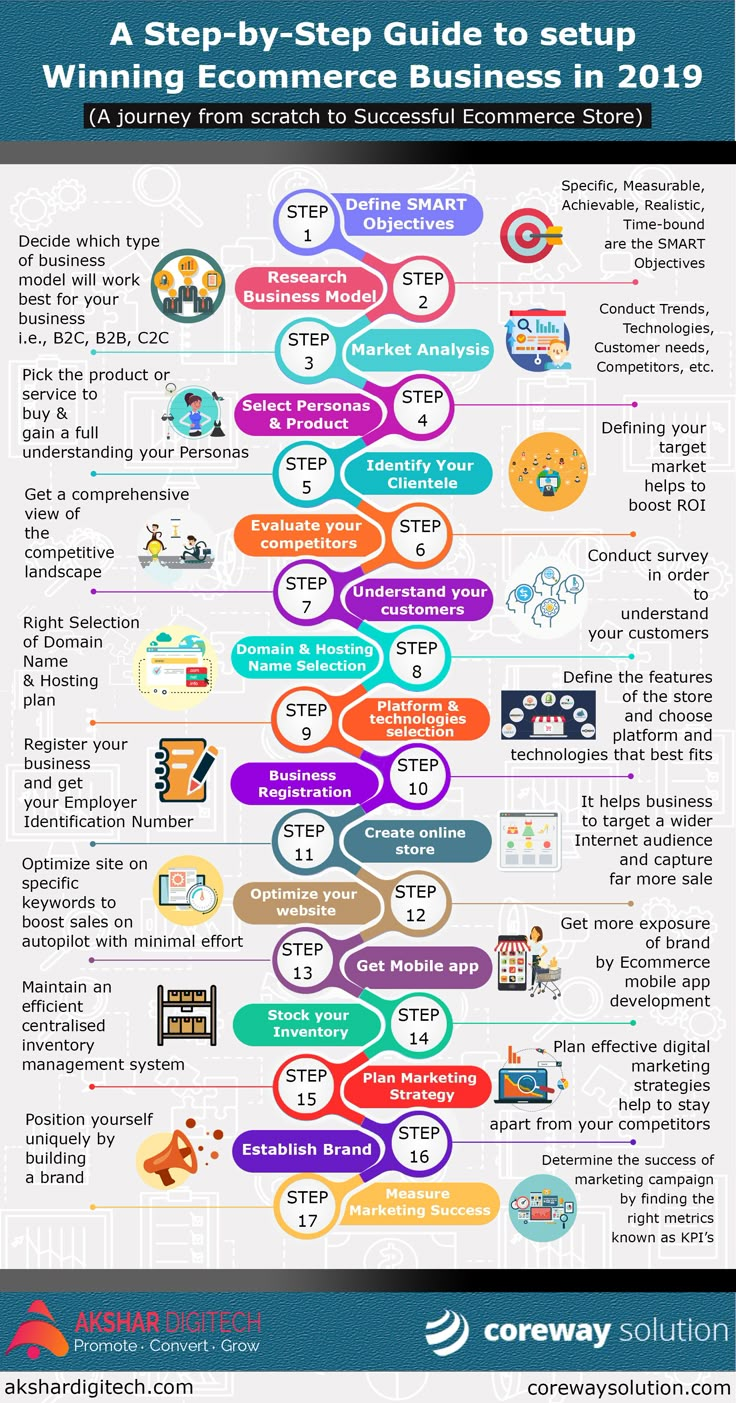
Customer personas, market trends, and competitor analysis are not just buzzwords; they are the foundation upon which your store's success is built. Use tools, data, and consumer insights to create detailed customer profiles, track market trends, and stay ahead of your competitors.
Customer Personas and Segmentation
Customer personas are fictional representations of your ideal customers. They help you understand your audience's needs, preferences, and behaviors. By creating detailed personas, you can tailor your marketing efforts, product offerings, and user experience to resonate with your target audience.


Moreover, segmenting your customers based on these personas allows for targeted and personalized communications, improving engagement and conversion rates. Use demographics, interests, and past behavior to create meaningful segments that respond to your marketing efforts.
Market Trends and Competitor Analysis
Staying informed about market trends keeps your business agile and relevant. Regularly monitor industry publications, attend webinars, and engage with digital influencers to stay updated on the latest developments. Identify emerging trends and act on them promptly to capitalize on new opportunities.
Competitor analysis provides valuable insights into what's working and what's not in your market. Study your competitors' strengths and weaknesses, their product offerings, pricing strategies, and marketing tactics. This information helps you differentiate your brand and create a unique value proposition that attracts customers.


Optimizing Your Store and User Experience
A well-designed, user-friendly ecommerce store is essential for converting visitors into customers. Optimizing your store's layout, navigation, and functionality can significantly improve user experience and drive sales.
Mobile responsiveness, clear product descriptions, compelling visuals, and seamless checkout processes are just a few elements that contribute to a great user experience. Let's explore some key aspects of store optimization.
Responsive Web Design
With more than half of all web traffic coming from mobile devices, having a responsive website is no longer a nice-to-have feature; it's a necessity. A responsive design ensures your store looks and functions flawlessly across different screen sizes and devices.




Use mobile-friendly themes, ensure images scale properly, and test your site thoroughly on various devices to deliver a consistent and enjoyable shopping experience for all your customers.
Product Descriptions and Visuals
High-quality product images and compelling descriptions are crucial for driving product discovery and conversions. Invest in professional photography and write persuasive, search-optimized product descriptions that highlight the unique features and benefits of your products.
Consider including user-generated content like customer reviews and ratings, as they can significantly influence purchasing decisions. Moreover, ensure your product categorization and filtering options are intuitive and easy to navigate.
Driving Traffic and Sales with Marketing
Marketing is the lifeblood of your ecommerce store. By employing a mix of digital marketing strategies, you can attract, engage, and convert visitors into loyal customers. Let's explore some effective marketing channels to grow your ecommerce business.
Search Engine Optimization (SEO)
SEO is critical for improving your store's visibility on search engines like Google. Optimize your website's structure, content, and meta tags to rank higher in search results and attract organic traffic. Conduct keyword research, create high-quality, optimized content, and build high-authority backlinks to boost your store's search engine rankings.
Additionally, ensure your product pages are properly structured with unique descriptions, keywords, and relevant schema markup to improve visibility for product searches.
Paid Advertising
Platforms like Google Ads, Facebook Ads, and Instagram Shopping Ads offer targeted, pay-per-click advertising opportunities to reach a larger audience. Leverage tailored audience demographics, interests, and behaviors to create effective ad campaigns that drive traffic and sales.
Set clear goals, monitor your campaign performance, and continually refine your ads to maximize your return on investment (ROI). Consider using Google Analytics and other tracking tools to measure and analyze your campaign's success.
Email Marketing and Automation
Email marketing remains an effective way to engage customers and nurture relationships. Build an email list and segment it based on customer personas, behaviors, and preferences. Send personalized emails showcasing new products, exclusive offers, and helpful content to keep customers engaged and drive repeat purchases.
Leverage email automation to streamline your marketing efforts. Set up welcome sequences, abandoned cart reminders, and post-purchase follow-ups to guide customers through the sales funnel and improve conversions.
The ecommerce landscape is ever-evolving, with new trends and technologies constantly emerging. To thrive in this dynamic environment, keep learning, stay adaptable, and continually refine your store management strategies. By focusing on customer understanding, store optimization, and effective marketing, you can build a successful and sustainable ecommerce business. So, what are you waiting for? Start exploring these aspects and watch your ecommerce store grow and flourish.
Related Articles

Amazon eCommerce Store Business Plan Template: Create, Grow, & Sell Your Online Business
Are you dreaming of setting up an Amazon e-commerce store but don't know where to start? A well-structured business plan is the key to turning your vision into...
Ecommerce Management Experts
Streamlining online business operations is a daunting task, especially as your ecommerce venture grows. This is where an ecommerce management company steps in...

Risk Management Visualized: A Comprehensive Infographic
In the dynamic landscape of modern business, risk management has evolved into a critical function that safeguards organizations from potential threats. A risk...

Uber Bot Dashboard: Streamline Ride Management
Imagine managing the complex logistical operations of a global transportation network with just a click. That's exactly what Uber's bot dashboard enables you...

Master Your Blog: Expert Management Services
Nurturing a successful blog in today's digital landscape requires more than just creating quality content. It necessitates strategic planning, consistent...

Tyme Store Curl Definitions: Revolutionize Your Waves
The Tyme Store curling iron has been making waves in the hair styling scene, offering a blend of modern technology and classic curls. But with so many options...