Easy Press Heat Settings: Mastering Your Machine
When it comes to ironing, an effective press - also known as high heat - can make all the difference. Easy press heat settings on your iron or clothing care appliances can transform wrinkled garments into smooth, crisp, and professional-looking attire. But with so many options, how do you know which heat setting is right for your fabrics?
Understanding what easy press heat settings do and how to use them is crucial to prevent fabric damage and achieve the best results. This guide will walk you through everything you need to know about easy press heat settings, from the basics to tips and tricks for a perfect press every time.
Understanding Easy Press Heat Settings
Easy press heat settings, also referred to as high heat or steam settings, use high temperatures and often added moisture (steam) to relax fibers, penetrate deeply, and eliminate wrinkles. These settings are ideal for tough wrinkles, heavily starched, or heavily soiled fabrics.


Most irons have an easy press symbol - usually a circle with a line underneath resembling a mountain or a wavy line. Some irons might label this setting as "High," "Steam," or "Wool." Familiarize yourself with your iron's symbols and labels to select the correct easy press heat setting.
When to Use Easy Press Heat Settings
Easy press heat settings are not one-size-fits-all. To avoid damaging your fabrics, understand when to use these high-heat settings:


- Heavy wrinkles: When clothes are badly wrinkled, the easy press setting can help penetrate deeper to relax and straighten fibers.
- Starched fabrics: High heat and steam help break down and remove excessive starch from collars, cuffs, and other starched areas.
- Heavily soiled areas: For tough stains and serious soil, an easy press can help break down and lift out dirt more effectively.
- Thick or heavy fabrics: Easy press settings can help achieve a smooth finish on thick fabrics, such as denim, corduroy, or tweed.
Heat Settings to Avoid
While easy press settings have their benefits, they're not always the best choice. Avoid using high heat settings on:
- Delicate fabrics (e.g., silk, chiffon, velvet, or lace)
- Synthetic materials (e.g., polyester or nylon blends) that may melt or disfigure under high heat
- Colored fabrics that may run or bleed
Optimal Easy Press Temperatures for Different Fabrics
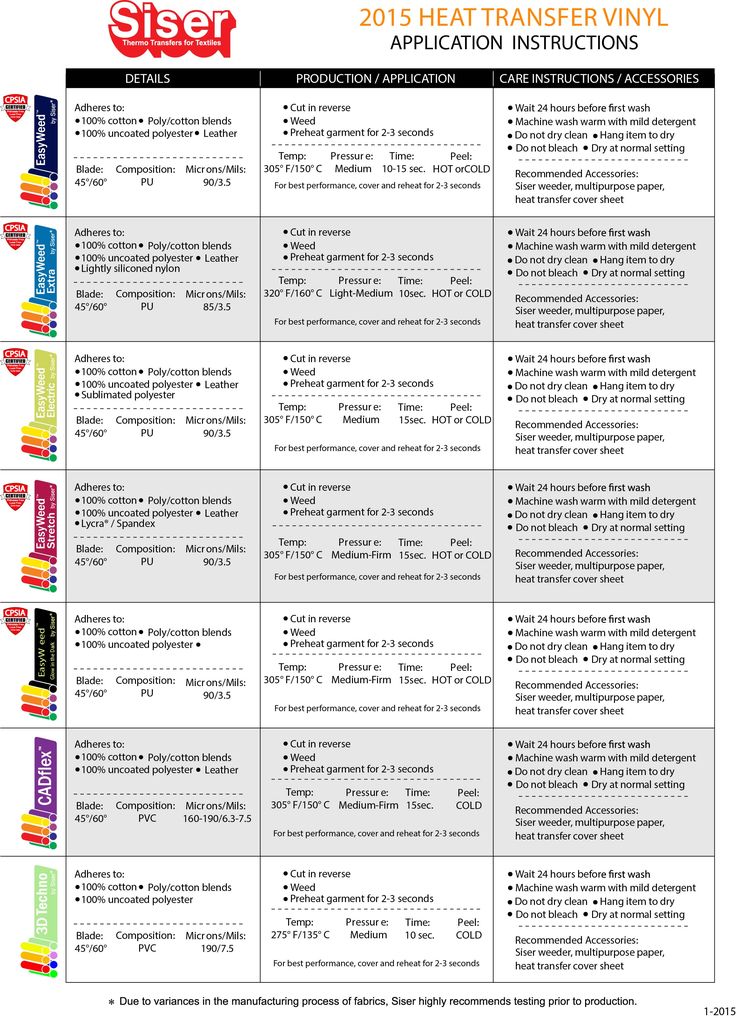
To help you choose the best easy press temperature for your fabrics, here's a quick guide:
| Fabric | Iron / Easy Press Temperature |
|---|---|
| Wool | Iron on low or medium, using a pressing cloth |
| Cotton (Light to Medium Weight) | Medium to high heat |
| Linen | High to maximum heat, as it's more resistant to heat |
| Synthetics (e.g., polyester, nylon) | Low to medium heat, using a pressing cloth to avoid damaging or melting |
| Silk | Warm to medium heat, using a pressing cloth or steam |
Always check your garments' care labels for specific heat recommendations. The label may use symbols, such as an iron with a line underneath (low heat) or an iron with a line and a circle (high heat).


Now that you understand easy press heat settings, their use, and safe heat levels for various fabrics, you're ready to tackle even the toughest wrinkles and stains. Always prioritize fabric care and safety when using high heat settings, and enjoy the professional results that easy press heat ensures. Happy ironing!



Related Articles
Cricut Easy Press Temp: Mastering Your Machine
都你 recently invested in a Cricut Easy Press for your crafting needs, you're likely eager to start creating stunning projects. However, one crucial aspect you...
Cricut Easy Press Settings: Simplify Heat Transfer Projects
The Cricut Easy Press has revolutionized the way we transfer vinyl, iron-on, and other heat-applicable materials to various surfaces. Its user-friendly...
Cricut Heat Press: Mastering 2 Settings for Perfect Results
The Cricut Heat Press 2, a versatile tool from Cricut, offers a range of settings to help you create stunning, personalized designs on a variety of materials...

Cricut Easy Press Settings Chart: Perfect for Your Projects
The Cricut Easy Press is a revolutionary tool for crafters, offering a simpler, more efficient way to apply heat to various projects. Its ease of use and...
Optimize Your Craft: Cricut Everyday Iron on Heat Press Settings
If you're an avid Cricut user, you're likely familiar with the versatility of your machine and its ability to create a wide range of projects. One of the most...

Mastering Cricut Press: Optimal Settings for Your Projects
Optimizing your Cricut Press settings can significantly enhance the quality and consistency of your projects. Whether you're creating cards, t-shirts, or home...