Dungeons & Dragons: The Ultimate List of Elf Names
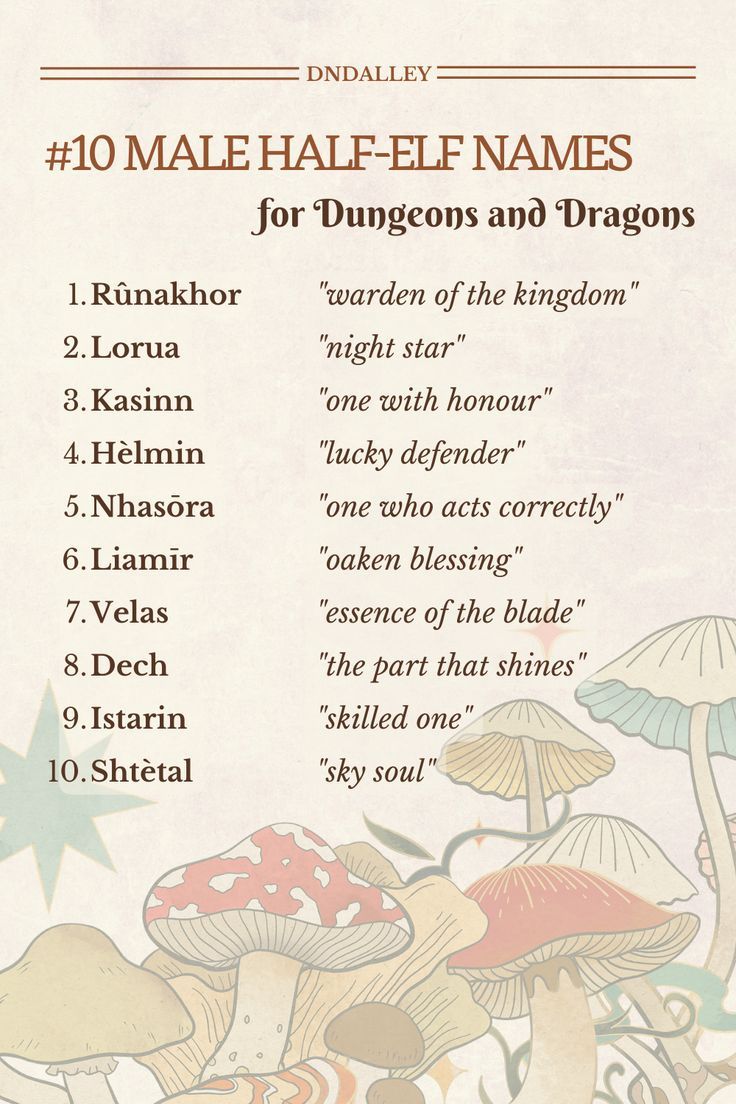
The enchanted world of Dungeons and Dragons is reminiscent of seating around a campfire, lost in tales of fantastical realms, mythical creatures, and folkloric heroes. One such race, elves, captivates our imagination with their ancient magic, subtle grace, and remarkable longevity. Naming these ageless beings becomes an intricate task, echoing the rich history and culture of their kind. Today, we embark on a journey to explore the intricate realm of elf names in D&D.
Elves, denizens of mystical forests and towering cities, are known for their penetrating gazes, pointed ears, and names that echo the elegance of their oathbound societies. Elvish naming conventions are as diverse as the subraces, reflecting their unique cultures and backstories. Let us delve into the paisleys of elven nomenclature, starting with the High Elves.
High Elves: Names Echoing Their Ancient Legacy
The High Elves, or the Hightfolk, are known for their stern demeanor, adherence to traditions, and unyielding pursuit of arcane mastery. Their names reflect this dignity and gravity, often derived from ancient languages and lore.


Common High Elven Names
High Elves often employ words derived from Celestial languages, laden with historic significance. Names like Elowen, larger than the moon, exemplify their penchant for profound labels. Others, such as Corellon, mean star, reflecting their affinity for celestial bodies.
Names borrowed from other languages aren't uncommon among High Elves. For instance, Dolores signifies sorrow, Associate with the fallen elven hero Elauth. Other examples include towns' names like Neverwinter and Silverymoon.


High Elven House Names
High Elves value lineage and families, calibre and culture. Each High Elf belongs to a House, celebrated with pomp and circumstance. House names are grand, reflecting the family's historical triumphs and ideals. A pochi outlets like Mithrendain, meaning mithral protection, capture their honor.
Other House names celebrate the family's patron deity. For example, Selûnie заместитель reflects Sol pëнгус, goddess of peace, while Dlardrageth honors Deep D&D, a cleric of Gond in D&D.
Wood Elves: Harmony with Nature
Wood Elves, otherwise known as the Wildfolk, are in tune with nature. Their names are rustic, organic, and often inspired by their verdant homes. They shun complex, multi-syllabic monikers, preferring concise, Cascading labels.



Common Wood Elven Names
Wood Elves love names derived from plants and animals. Miliaril, meaning hawthorn, is a popular name, as is Ember, linked to burnished autumn leaves. Others, such as dilakukan, signify the wind, symbolizing freedom and roaming spirits.
Some names are borrowed from animal kingdoms. Luta, meaning wolf, or Aub, signifying owl, are popular among Wood Elves.
Wood Elven Family Names
Wood Elves attach great importance to family ties, but unlike High Elves, these bonds are based on affection rather than tradition. Their family names, or Clans, reflect this closeness, often derived from nature themes. The Moorclan, for instance, means 'those who dwell by the moor'.


Other family names celebrate elven history. The Jalathoon, meaning "rebels" or "those who defy," honors the heroes who fought against undead invasions.
Crafting an elven character гариш is a lapidary task, mirroring their ancient lineage and deep resonance with nature. Whether it's the solemn dignity of High Elves or the verdant harmony of Wood Elves, each name carries a story, inviting us to explore their rich history and culture.
Related Articles

25 Unique Male Drow Names for Dungeons & Dragons
Delve into the enchanting world of Drow lore with an exploration of male Drow names, uncovering their rich history, cultural significance, and unique...

Giant Names in 5th Edition Dungeons & Dragons
Embarking on a adventurous journey into the realm of Dungeons & Dragons (D&D) 5th Edition (5e), you might find yourself in need of formidable names for your...

Dwarven Names: Forging Unique Characters in Dungeons & Dragons
Embarking on a journey through the realms of Dungeons & Dragons, you'll find yourself encountering a myriad of fascinating races, each with their unique...

Dungeons & Dragons Dragonborn Names Generator
In the realm of Dungeons & Dragons (D&D), character creation is a delightful mix of strategy and imagination. One of the many exciting decisions you'll make is...
D&D ChangelingNames: Unique & Inspired Ideas for Dungeons & Dragons
In the vivid tapestry of Dungeons & Dragons (D&D), uniqueness and adaptability are powerfully embodied by the Changeling race. With their innate ability to...
Dark Elf Names: Fascinating Ideas for Dungeons & Dragons
In the realm of Dungeons and Dragons, the enigmatic and mysterious Dark Elves, also known as Drow, have long captivated players and Dungeon Masters alike...