Ducks Unlimited Logo Vector
The Ducks Unlimited logo, a symbol of wetland conservation, is instantly recognizable to many. However, for those seeking a vector version for design projects or branding purposes, understanding its origin and digits can be helpful. Let's delve into the Ducks Unlimited logo vector, exploring its history, design elements, and where to find it.
Ducks Unlimited, founded in 1937, is a non-profit organization dedicated to the conservation of wetlands and associated upland habitats for waterfowl. Its logo, featuring a pair of mallards taking flight, encapsulates this mission visually. The vector version of this logo, a high-resolution, scalable image, is coveted by designers looking to maintain quality across various platforms and sizes.
Inspecting the Ducks Unlimited Logo
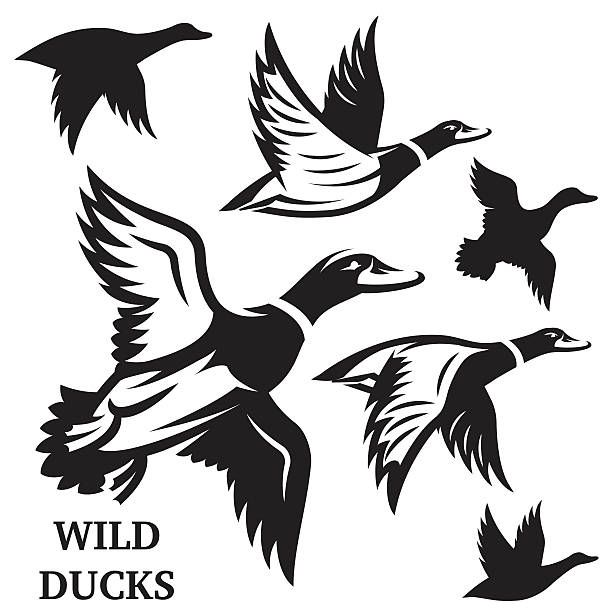
The Ducks Unlimited logo comprises several design elements. The primary feature is the duo of mallards, one streaming behind the other, wings outstretched. This dynamic image symbolizes the organization's mission to protect waterfowl habitats, ensuring the birds' freedom and longevity.


Surrounding the ducks is a circle. Initially, this was a limit line, placed to contain the logo during early design stages. However, it remained as an integral part of the design, providing a distinct border and helping the logo stand out on both light and dark backgrounds.
The Mallard Duo
The mallards in the Ducks Unlimited logo are more than just decorative. They represent the organization's namesake and focus, waterfowl. These birds are not mere artistic license; they are a critical component of wetland ecosystems, indicators of their health, andum tachycardic potential hopeful harbingers of conservation success.


Mallards are also one of the most common and widely recognized waterfowl species, making them an ideal choice for the logo. Their familiarity aids in reinforcing Ducks Unlimited's purpose and heightening public awareness of waterfowl conservation.
The Color Scheme
The Ducks Unlimited logo employs a color scheme primarily composed of green, blue, and white. These colors reflect the natural environments the organization works to preserve - wetlands, skies, and water. Additionally, they create a zenithal harmony, symbolizing hope and growth.
In the vector version, these colors are represented by their respective RGB and hex color codes. Understanding these digits is crucial when working with the vector logo. For example, the green used in the logo is often represented by RGB (52, 152, 149) or hex (#349897).


Vectorizing the Ducks Unlimited Logo
Vector graphics, defined by mathematical expressions, ensure scalability without loss of image quality. This makes the vector version of the Ducks Unlimited logo an appealing choice for designers and conservationists alike. However, to reproduce this logo faithfully, one must have access to vector graphic software and understand the logo's design elements.
For those seeking to create or manipulate the Ducks Unlimited logo vector, tools such as Adobe Illustrator, Inkscape, or CorelDRAW are invaluable. These software applications allow users to open, edit, and export the logo in various file formats, including SVG, EPS, and PDF.
Where to Find the Ducks Unlimited Logo Vector
Ducks Unlimited, aware of the importance of their logo for conservation campaigns and branding, provides logo usage guidelines on their website. While they don't offer direct downloads of the vector logo, they do provide a high-resolution JPEG image. For those needing the vector version, they recommend contacting their communications department directly or visiting their official brand guidelines portal.




Alternatively, various design resources and stock image websites, such as Brandcrowd, Freepik, or Vector monotherapy, offer the Ducks Unlimited logo vector. However, it's crucial to verify the authenticity and legality of these versions to avoid potential copyright issues.
Embracing the Ducks Unlimited logo vector in conservation efforts, educational materials, or promotional campaigns can significantly boost their impact. By understanding and correctly utilizing this potent symbol, one can contribute to protecting vital wetland ecosystems and the waterfowl that depend on them.
Related Articles
Ducks Unlimited Logo Vector: Download Now
The Ducks Unlimited logo, with its distinctive mallard design and bold colors, is instantly recognizable to hunters, conservationists, and waterfowl...

Anaheim Ducks Transparent Logo Vector
The Anaheim Ducks, a notable member of the National Hockey League (NHL), have a dynamically designed logo that has evolved over the years, with their current...

PMA Logo PNG: Download High-Quality Free Vector
Ever wondered about the visual identity behind the popular project management tool, PMA? The PMA logo is not only a symbol of this robust platform but also a...

Teenage Mutant Ninja Turtles Logo SVG Vector
The Teenage Mutant Ninja Turtles (TMNT) logo has been a beloved icon in popular culture since the early 1980s. Its distinctive design has evolved over the...

"Team Liquid Logo PNG: Official Download & Vector Graphics"
The iconic Team Liquid logo has been a symbol of resilience, passion, and competitive success in esports for over a decade. This distinctive PNG logo...

Chevron Logo Vector Files for Design
The Chevron logo is a iconic symbol recognized worldwide, signifying power, progress, and innovation. This geometric masterpiece is a testament to the brand's...