Dot Marker Toddler Craft Ideas: Fun & Educational Activities
Dot markers, those tiny, colorful, and seemingly insignificant wonders, can open up a world of creativity and learning for your toddler. They're not just tools for drawing, but also stepping stones in your little one's cognitive and motor skill development. Here, we'll explore some engaging and fun dot marker toddler ideas that will make learning a delightful experience.
Dot markers, with their vibrant hues and convenient squeeze tips, are the perfect introduction to art and creativity for your toddler. But their uses go beyond just filling up pages with colorful spots. Let's delve into how these simple tools can stimulate your child's growth and development.
Dot Marker Activities for Sensory Exploration
The different textures, colors, and sizes of dot markers provide ample opportunities for sensory exploration. From feeling the smooth plastic casing to exploring the varied Tips and learning about color and size differences, these activities foster sensory development.


Creating a dot marker sensory bag is a fun way to engage your toddler's curiosity. Fill a clear plastic bag with dot markers, and let your little one squish, poke, and investigate the contents. This will help improve their fine motor skills and hand-eye coordination.
Color Recognition and Matching
Dot markers come in a variety of colors, making them an excellent tool for teaching color recognition and matching. Begin by sorting markers by color, then use them to fill in colored shapes or draw objects in their respective colors.


Another fun activity is to hide colored dot markers inside playdough and have your toddler find and match them to their corresponding colors. This not only helps your child learn colors but also improves their manual dexterity and problem-solving skills.
Shapes and Numbers
Dot markers can be used to trace and draw diverse shapes and numbers. By filling in outline drawings with dot marker spots, your toddler learns to recognize and reproduce basic shapes and numbers, reinforcing their cognitive understanding of these essential concepts.
A fun twist on this activity is to create a dot marker scavenger hunt. Hide shape or number cutouts around the room and ask your toddler to find and match them to their corresponding dot marker outlines.


Creative Dot Marker Art Projects
Dot markers are not just for filling in shapes and coloring within lines. They can be used to create beautiful, abstract art pieces that encourage your toddler's creativity and self-expression.
**Dot Marker Resist Art**: Create a resist effect by having your toddler squeeze dots of one color onto watercolor paper. Once dry, have them paint over the dots with a contrasting color. The dots will resist the paint, creating a unique, textured effect.
Dot Marker Patterns
Teaching patterns is another great way to use dot markers. Start with simple patterns like ABB or ABA, then gradually introduce more complex ones. Your toddler can create these patterns using dot markers, reinforcing their understanding of repetition and sequence.


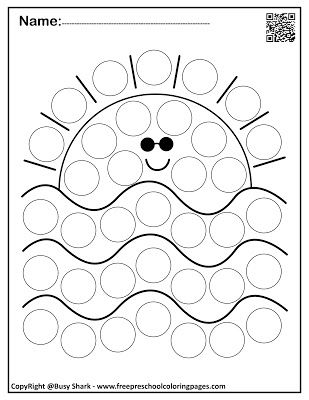


**Dot Marker Collage Art**: Cut out shapes from construction paper or foam sheets, then have your toddler fill them in with dot markers. Once dry, stick them onto a piece of paper to create a vibrant, textured collage.
Storytelling with Dot Markers
Storytelling is a vital aspect of child development. Dot markers can be used to create story boards, with each dot representing an action, character, or event. This helps your toddler develop language skills, improve their ability to recall events, and cultivate their imagination.
For example, you can use dot markers to create a simple dot-to-dot drawing of a character or object related to a story. As your toddler connects the dots to reveal the image, discuss the story, fostering a deeper understanding and appreciation for narrative structure.
As your toddler explores and learns with dot markers, watch as they develop new skills and gain confidence in their creativity. Remember, every dot on the paper is a step forward in their journey, so enjoy the process and encourage their curiosity every step of the way.
Related Articles
Dot Marker Toddler Craft Ideas
Is your little one taking their first steps into the world of creativity and expression? Dot markers are an excellent tool to introduce toddlers to the joy of...

Daniel Tiger Activities: Fun & Educational Ideas
Join your little explorers on a fun-filled learning journey with Daniel Tiger, the beloved character from the award-winning children's television series...

Mario M Printables: Craft Ideas & Activities
Looking to spruce up your craft projects or add a touch of retro gaming to your home decor? Look no further than "Mario M Printable" designs! These printables...

Crafty Toddler Thanksgiving Ideas: 12 Easy 2-Year-Old-Friendly Activities
Thanksgiving is a joyous time of the year, filled with warmth, gratitude, and cherished memories. As parents, we often look for ways to engage our little ones...

Autumn-Inspired Toddler Paper Craft Ideas
Autumn's crisp air and vibrant foliage inspire us to embrace indoor activities that let us create and bond with loved ones. One such activity is autumn-themed...

"Engaging Toddler Activities: Fun Ideas for Little Ones"
Toddlers are bundles of energy and curiosity, constantly exploring the world around them. As parents and guardians, we play a crucial role in fostering their...