Do Well to Remember: Crucial Tips for Success
Ever found yourself in a situation where you've regretted not paying attention to a detail? We've all been there. It's these tiny, overlooked morsels of information that can make or break our day-to-day lives. This is where 'do well to remember' comes into play - a phrase that serves as a gentle reminder to pay heed to the often-overlooked details.
'Do well to remember' is an idiomatic expression that means 'make sure you don't forget'. It's not just about committing things to memory, but also about being mindful, perceptive, and attentive to the nuances around us.
Understanding the idiom
The phrase 'do well to remember' is a* gevade for 'it would be beneficial for you to remember'. It's a positive encouragement to store information in your memory banks, rather than a stern warning. Here's a breakdown:


1. 'Do well' - Not in the sense of performing a task competently, but more like 'be well' or 'fare well'. It's an archaic term that signifies wishing someone good fortune.
Historical Context
The phrase has its roots in the 16th century, when it was used to wish someone health and prosperity. The meaning shifted over time to include the idea of remembering, perhaps due to the association of forgetfulness with poor health or misfortune.


For instance, in Shakespeare's 'The Winter's Tale', the character Antigonus says, "Do well to remember," before launching into a long list of admonitions, showing that even in the 17th century, the phrase was used to introduce a series of instructions or advice.
Idiomatic Use Today
Today, 'do well to remember' is less common than its simpler, more direct cousin, 'don't forget'. However, it still appears in literature and informal conversation, adding a touch of elegance or formality.
It's often used with a lighter touch, a strawberry on top of a memory sundae. For example, "Do well to remember to smile; it can change someone's day, and maybe even yours."


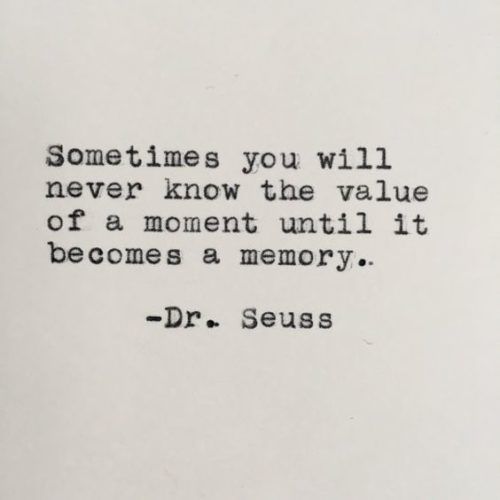

Why remembering matters
Sure, the phrase sounds old-fashioned, but the act of remembering is anything but outdated. In fact, it's more crucial than ever in our fast-paced, information-overload society.
Remembering helps us make sense of our experiences. It's the difference between a blur of activity and a journey with clear, vivid milestones. It helps us connect the dots, learn from the past, and plan for the future.
The power of memory
neurologists have discovered that remembering is not just about storing data; it's about retrieving it in a way that makes sense. It's about creating connections, reinforcing neural pathways, and exercising our brains. In essence, it's about staying sharp.


A study by Dr. Joseph Salerno, a neuropsychologist at the Medical University of South Carolina, found that people who regularly exercised their memories had less shrinkage in their hippocampus, a critical area of the brain for memory and learning. So, remembering is literally good for your brain.
Remembering in the age of automation
With voice assistants and calendars that notify us of appointments, it might seem like there's less to remember. But that's not the case. While these tools can certainly aid in memory, they shouldn't replace it. As:far
Related Articles
Do Well to Remember: Key Tips
Remembering things, especially those that matter deeply, can often be a challenge in our fast-paced, information-overload era. Yet, from time immemorial, the...

12 Crucial Tips to Keep in Mind
Forgetting key details can lead to unnecessary mishaps and setbacks. That's why it's crucial to have a reliable guide to help you remember what's important...

Thanksgiving Food Safety: Crucial Tips to Keep Your Holiday Healthy
Turkey Day is just around the corner, and with it comes the anticipation of savory dishes and delectable desserts. However, before we dive into the feast...

Minute Win It: Quick Tips for Instant Success
In our fast-paced, technology-driven world, time is a precious commodity that we're always seeking to optimize. This is where 'Minute to Win It' comes into...

Affordable Content Marketing: Expert Tips for Budget-Friendly Success
Content marketing is a strategic approach that focuses on creating and distributing valuable, relevant, and consistent content to attract and retain a clearly...

Remember Me: Destin's Memorable Tips
Ever found yourself in the middle of a gripping narrative, only to realize you've forgotten crucial details from the previous chapter? Or perhaps you're...