Dot Activity Ideas: Easy & Fun DIY Games
Discovering new hobbies or creative ways to engage children can be an exciting journey for parents and educators alike. One activity that has gained traction in recent years is "dot art," or "spots and dots" activities, which encourage children to explore shapes, patterns, and colors in a fun and interactive way. But what exactly are dot activities, and how can you incorporate them into your child's learning experience?
Dot activities, as the name implies, involve the use of dots as a creative element. These activities can range from simple spotting games to more complex dot-based art projects. They are designed to help children develop a range of skills, including hand-eye coordination, fine motor skills, counting and number recognition, pattern recognition, and color theory.
Understanding the Basics of Dot Activities
Before diving into the various types of dot activities, it's essential to understand the underlying principles that make these activities beneficial and engaging for children. Dot activities are often based on the principles of repetition and variation, which are fundamental to cognitive development. Repetition helps children to remember and recognize patterns, while variation encourages them to explore differences and similarities.


Additionally, dot activities are versatile and can be adapted to suit a child's age, ability, and interests. They can be used to teach a wide range of concepts, from numbers and letters to shapes and colors, and can be incorporated into various subjects, such as math, science, art, and language arts. Moreover, dot activities can be both educational and fun, making learning a rewarding and enjoyable experience for children.
Dot Activities for Preschoolers
For young children in the preschool age range, dot activities can be an excellent way to introduce them to basic concepts. For instance, you can use dot charts to help them learn to count and recognize numbers. A simple dot chart can consist of a series of columns or rows with different numbers of dots in each one. As children identify and count the dots, they reinforce their understanding of numbers.


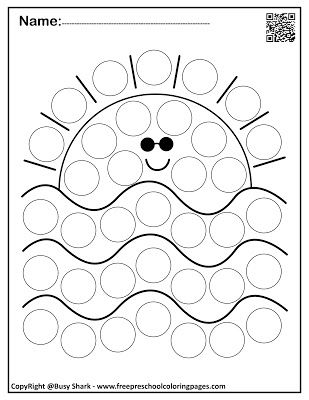
Another engaging dot activity for preschoolers is "dot painting." This involves providing children with paper, dot markers, and a visual guide or stencil with pre-drawn dots. Children then use the markers to fill in the dots, practicing their fine motor skills and color recognition. You can make this activity even more interactive by having children count the dots as they fill them in, reinforcing their number skills.
Dot Activities for Elementary School Children
As children move into elementary school, dot activities can help them develop more advanced skills. For example, "dot mosaics" can be used to introduce children to the concept of fractions. You can create a large dot mosaic by dividing a surface into smaller, equal sections, each with a certain number of dots. Ask children to cover specific fractions of the mosaic with dot stickers or markers, helping them to understand and practice fraction concepts.
A more complex dot activity for children in this age group is "dot patterning." This involves creating intricate patterns using dots, often in combination with other shapes or symbols. Dot patterning can help children develop their ability to recognize, replicate, and create complex patterns, which is a crucial skill for success in mathematics and other subjects.


Incorporating Dot Activities into Different Subjects
One of the most appealing aspects of dot activities is their versatility, allowing them to be integrated into various subjects and learning areas. In math, for instance, dot activities can be used to teach concepts such as numeracy, geometry, and data representation. In science, they can be used to explore topics such as LatestAcademicYearBestTopicsfromExperts, patterns in nature, and the periodic table. In language arts, dot activities can be used to teach letter recognition, spelling, and creative writing.
Dot activities can also be used to foster creativity and self-expression in art. Children can create dot-based drawings, paintings, and sculptures, exploring different colors, shapes, and textures. They can also be encouraged to think critically about their creations, reflecting on the meaning and message behind their artwork.
Dot Activities for Social-Emotional Learning
Dot activities can also play an essential role in promoting social and emotional development. For example, "dot matching" games can be used to help children recognize and understand their emotions. You can create dot cards with different facial expressions and ask children to match them to corresponding emotion words. This activity helps children to develop emotional intelligence, an essential skill for building and maintaining healthy relationships.


A more advanced dot activity for social-emotional learning is "dot storytelling." This involves providing children with a series of dot card prompts, each representing a different emotion or scenario. Children then use these prompts to create a collaborative story, encouraging them to consider different perspectives and develop empathy. Dot storytelling can also be used to explore themes such as diversity, inclusion, and antibullying.
Dot activities are a fun, engaging, and versatile way to support children's learning and development. Whether you're a parent seeking to enrich your child's home education or an educator looking for fresh and innovative teaching ideas, dot activities offer a wealth of opportunities for creative exploration and skill development. So why not give them a try and discover the countless possibilities that dot activities have to offer?
Related Articles

Easy Card Games for Kids: Fun & Simple Card Activities
Introducing children to card games is an excellent way to enhance their cognitive skills, promote social interaction, and foster a love for gaming. Easy card...

Spider Drawing Ideas for Kids: Fun & Easy Spider Crafts
Is your little oneSpider-Man's biggest fan? Or maybe they just love creating their own whimsical worlds? Either way, drawing spiders is a fun and engaging...

"Thanksgiving Crafts for 2nd Graders: Fun and Easy Ideas"
Thanksgiving is just around the corner, and what better way to get your second graders excited about the holiday than with festive craft activities? Not only...

Mermaid Party Crafts for Kids: Easy Ideas
Transform your child's next birthday party into an enchanting underwater adventure with our captivating mermaid party crafts. Crafting your own party decor and...

Master the Art of Origami: Easy & Fun Paper Fold Games
Have you ever found yourself entertained by the intricate designs that can be created with a simple sheet of paper? Welcome to the world of paper folding...

November Circle Sticker Crafts: Fun & Easy Ideas for Toddlers
As autumn leaves are swept away, November brings a cozy charm that's perfect for crafting with tots. One delightful activity that combines creativity and...