"Elvish Clan Names: creativity & lore for D&D"
Delving into the realm of Dungeons & Dragons (D&D) exposes players to a rich tapestry of cultures, one of the most fascinating being the elves. These enchanting, long-lived humanoids are not a monolithic group but rather comprise diverse ethnicities or clans, each with its unique traits and history. Let's embark on an exploration of D&D's elvish clan names and their core characteristics.
Elves in D&D are typically categorized into several main groups, each boasting distinct clan names and heritage. These clans can be broadly classified into two categories: the Eladrin and the traditional Elves.
Eladrin Clans
The Eladrin are a subset of elves who maintain a strong connection to the Feywild, the ethereal realm of magic and mystery. They are elegant, graceful, and possess an innate understanding of magic. Let's delve into two prominent Eladrin clans:


Clan Laerel
Clan Laerel hails from the radiant courts of the Feywild. They are known for their keen intellect, unparalleled beauty, and a touch of vanity. Their clan name, Laerel, translates to "argent star" or "silver starissance," reflecting their celestial origins. Members of this clan often possess the Ability Score Increase feature, gaining a boost in Intelligence, Charisma, or Wisdom, reflecting their keen minds and enchanting presence.
Lore tells us that Clan Laerel apprentices are expected to complete a challenging quest, often reminiscent of the Homeric epics, to prove their worth. Upon successful completion, these young elves are welcomed into the clan as full-fledged members.


Clan Aereni
Clan Aereni originates from the verdant forests of the Feywild. They are skilled druids, honoring nature and the natural cycle of life. Their clan name signifies "greenway" or "ever-green," symbolizing their deep connection to flora and fauna.Members of Clan Aereni often possess the Fey Ancestry feature, granting them advantage on saving throws against being charmed and magic can't put them to sleep.
In Aereni society, respect for nature is paramount. Elves of this clan gather annually to perform a grand ritual, giving thanks to the spirit of nature and seeking her blessings for the coming year.
Traditional Elven Clans
Besides the Eladrin, traditional elves are another significant group in D&D. They are more adaptable, adjusting to various environments across the Material Plane. Here are two renowned traditional elven clans:


Clan Drow
Clan Drow, also known as dark elves, are a reclusive, matriarchal society dwelling beneath the surface. Their clan name translates to "shadow" or "darkness," reflecting their subterranean homes. Drow are known for their cunning, hatred towards sunlight, and proficiency with magic, particularly the darker forms. Many Drow possess the Drow Weapon Training feature, making them adept with hand crossbows and rapiers.
The Drow society is hierarchal, headed by a Matriarch who wields substantial power. Also, Drow have a unique culture, segmented into houses instead of families, with intricate spider-themed heraldry.
Clan Wood
Clan Wood, or the Silvanesti, are forest-dwelling elves, skilled in archery and survival. Their clan name signifies "forest" or "woodland," symbolizing their deep connection to the trees. Wood Elves possess the Fey Ancestry feature, like the Aereni, and often the Keen Senses feature, amplifying their perception of their surroundings.


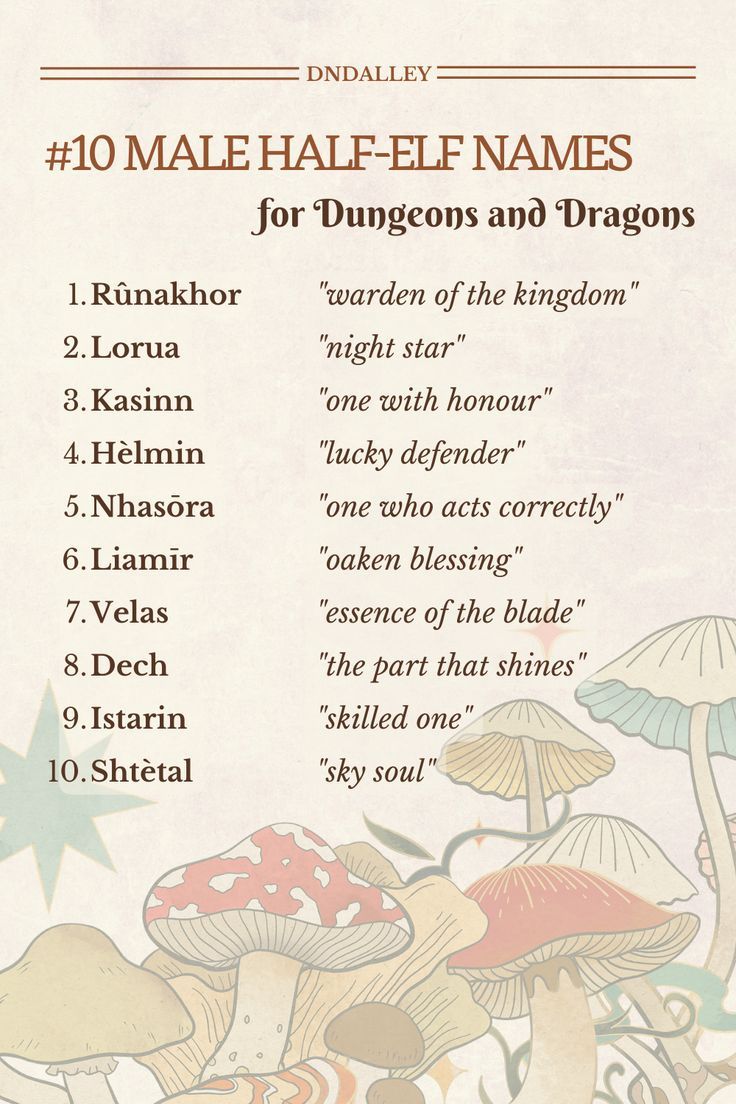


In Wood Elven society, the clan is divided into "houses" based on different types of trees. Each house has its unique duties and responsibilities, fostering a sense of unity and harmony among the settled.
Unveiling the complexities of elvish clan names unveils the rich backdrop of D&D's lore. From the celestial extravagance of Clan Laerel to the earthy praticity of Clan Wood, each clan offers unique insights and perspectives, enriching the D&D experience. Embrace these clans, and let their stories weave into your own as you navigate the vast realms of Dungeons & Dragons.
Related Articles
D&D 5E: Unique Elvish Clan Names
Delving into the enchanting world of Dungeons & Dragons (D&D) 5th Edition, one might find themselves captivated by the rich history and culture of the Elves. A...
Elven Clans: Fantastic D&D Names for Your próximo Adventure.
Embarking on a journey through the mystical realms of Dungeons & Dragons (D&D), one can't help but marvel at the enchanting elven societies that call these...

Unique Newspaper Names Generator: Unleash Creativity
Have you ever pondered over the perfect name for your newspaper that's captivating, informative, and engaging? Struggling to brainstorm unique and memorable...

Generating 15 Awesome Clan Names for 2023
In the realm of online gaming, clan names serve as badges of identity, unity, and reputation. Choosing an awesome clan name is no mere task; it's an...

Dark Elvish Names: Unveiling Shakespearean Darkness
In the realm of role-playing games and fantasy literature, the allure of elvish names has captivated minds for decades. These ethereal monikers often evoke...

Clever Destiny Clan Names
Crafting a distinctive and memorable clan name is an art form that every gamer worth their salt delights in. In the vast and diverse landscape of games, a...