"Epic D&D Animal Names: Unleash Your Beastly Creativity"
The realm of Dungeons & Dragons (D&D), with its rich tapestry of fantasy worlds, is often enhanced by the whimsical and formidable creatures that inhabit these realms. A significant aspect of bringing these creatures to life is giving them unique and fitting names. But how do you create a compelling animal name for your D&D creature? Let's dive into the world of onomastics to explore the intricacies and techniques behind crafting perfect D&D animal names.
In the vast expanse of D&D, animals can be as diverse and intricate as the cultures and landscapes that support them. From the colossal Kraken roaming the seas to the tiny, arcane-infused Pixie Aarakocra soaring through the skies, each creature brings its unique flair to the game. But how do you create a name that captures the essence of your creature and makes it stand out in the halls of infamy or allyship?
Understanding D&D Animal Names
Creating compelling D&D animal names is an art form that draws inspiration from a variety of sources. It could be derived from mythology, adapted from real-world etymology, or even invented to fit a specific theme or atmosphere. The key lies in understanding the basic rules and techniques behind naming animals in the context of D&D.


Names should reflect the creature's attributes, origin, behavior, or cultural significance. They should be memorable and distinct, yet fitting within the linguistic fabric of the world you're creating. Let's explore some ways to create animal names that capture the spirit of D&D.
Deriving From Real-World Languages
One effective method is to derive names from real-world languages or mythologies. For instance, the Greek word 'kyklos' translates to 'circle,' giving us the creature 'Kraken,' a sea monster with legendary powers to ensnare its prey in giant tentacles.


Similarly, you can draw inspiration from Norse mythology for names like 'Draugr' (a ghostly, undead creature) or 'Lindworm' (a serpentine creature), or from Latin for 'Equus' (a horse) to create 'Equinus,' a desert-dwelling, six-legged horse relative.
Morphing and Blending
Another technique involves morphing and blending words to create unique names. Combining real-world animal names with fantasy suffixes or prefixes can result in intriguing creatures. For example, adding 'drake' or 'wyrm' to a familiar animal name, like 'Ladrake' (a lion-drake) or 'Spaewyrm' (a sparrow wyrm), creates new and mysterious beasts.
You can also blend distinct features of different creatures to create a unique name. For instance, combining 'Cetus' (a whale) with 'Avis' (bird) yields 'Cetusavis,' a leviathan bird with the body of a whale and the wings of a bird.


Incorporating Thematic Elements
In D&D, it's common to have campaigns or settings revolving around specific themes. Naming creatures that resonate with these themes can enhance the immersion and overall experience of the game. Let's look at how to incorporate thematic elements into animal names.
For instance, if your setting is a post-apocalyptic wasteland, you might create names like 'Scrapjackal' (a jackal scavenger) or 'Ashwolf' (a dire wolf with gray, ash-colored fur). Similarly, for campaigns steeped in ancient Egyptian or Norse mythology, names could be drawn directly from these mythologies or adapted to fit the context (think 'Anuket', the daughter of the Nile in Egyptian mythology, transformed into 'Anuketris' - a giant, crocodile-like creature).
Reflecting Culture and History
Another way to incorporate thematic elements is to reflect the culture and history of the area in which the creatures reside. Names could be inspired by folktales, historical events, or local idioms. For example, in a setting heavily influenced by Chinese mythology and_history, you might find creatures like the 'Phoenix Yi,' a benevolent fire-drake, or the 'Dragon of the Hundred Ages,' reflecting the ancient reverence for longevity and wisdom in Chinese culture.


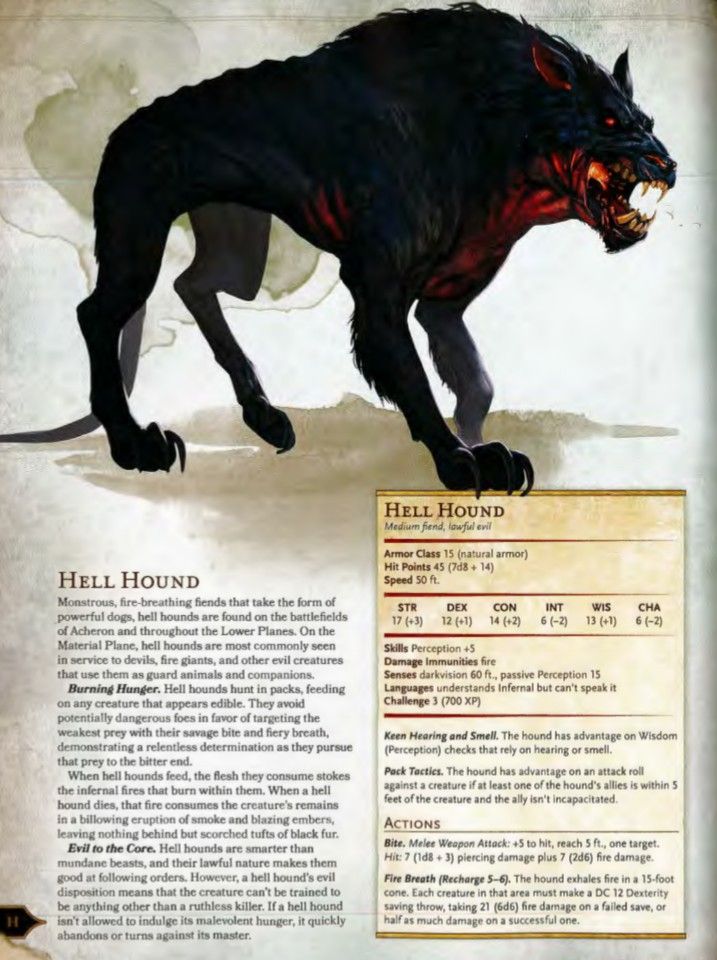


Similarly, in a setting inspired by feudal Japan, creatures might carry onomastic elements from the real-world, such as 'Kitsune' (fox spirits) or 'Nue' (a bird-like creature with the head of a monkey and the body of a raccoon dog), reflecting historical and cultural elements.
The Role of Onomatopoeia
A lesser-used but powerful tool is the use of onomatopoeia - words that imitate the sounds they describe. An onomatopoeic name can instantly convey the essence of a creature, like 'Crackler' for a giant, noisy beetle or 'Rumbleback' for a dinosaur-like creature that produces earth-shattering roars.
Onomatopoeia isn't limited to sounds; it can also mimic actions, like 'Thrashoff' for a brutish, formidable beast, or 'Whispermaw' for a subtle, stealthy creature. Just remember to keep the日まで (HD) or one syllable, as overly complex onomatopoeic names can become difficult to remember or pronounce.
In the vast, imaginative tapestry of Dungeons & Dragons, creating compelling animal names is an essential part of weaving a rich and immersive world. By mastering the art of onomastics, you too can bring life to your creatures, making them stand out in the annals of your campaigns. So, gather your inspiration, and let the symphony of unique names breathe life into your D&D worlds. The stage is set, and your creatures await their entrance.
Related Articles

World of Warcraft Coloring Pages: Unleash Your Creativity
Immerse yourself in the magical realm of Azeroth with our captivating World of Warcraft coloring pages! These printable pages are not just for kids; they offer...

Zebra Coloring Pages: Unleash Your Creativity
Embarking on a creative journey, children worldwide often find solace and fun in the humble act of coloring. Among the vast isle of animals that grace their...

Fusee A Colorier: Unleash Your Creativity with Vibrant Coloring
The 'Fusee a colorier', or 'Coloring fusee' in English, is a delightful and versatile tool that combines the fun of coloring with the practicality of a stylus...

Vunlimited Video Editor: Unleash Your Creativity
Discovering the perfect video editing tool for your needs can be quite the challenge, especially with the plethora of options available. Yet, Vunlimited Video...

Cricut HTV Vinyl: Unleash Your Creativity
Embarking on a creative journey with Cricut? One material that's truly versatile and impactful is HTV vinyl. If you're new to this, you might be wondering...

Kittens to Color: Unleash Your Creativity with Adorable Pets
When it comes to bringing a touch of color and joy into our lives, nothing quite compares to the vibrant energy and innocence of kittens. These tiny, furry...