Diverse Sage Varieties for Smudging: Your Comprehensive Guide
Imagine cleansing your space or yourself with the fragrant smoke of sacred herbs, a practice as old as time itself. This ancient art, known as smudging, utilizes the power of prayer and the aromatic properties of various plants to purify and protect. One of the most revered plants in this practice is sage, renowned for its antimicrobial and scent-boosting properties. But did you know there are several types of sage, each with its unique appeal and purpose? Let's explore the different types of sage for smudging.
Sage, scientifically known as Salvia, is a genus of about 900 species of mostly perennial and aromatic plants. Several of these species are used inندان smudging rituals worldwide. They vary in color, fragrance, and native habitat, making each one a uniqueHelper for your cleansing journey.
White Sage (Salvia apiana)
White sage, often referred to as 'seven year medicine,' is the most popular sage type for smudging. Native to the Southwestern U.S. and Northern Mexico, it thrives in extremely arid conditions. Its silver, sometimes blue, foliage and white flowers make it a visually striking plant.


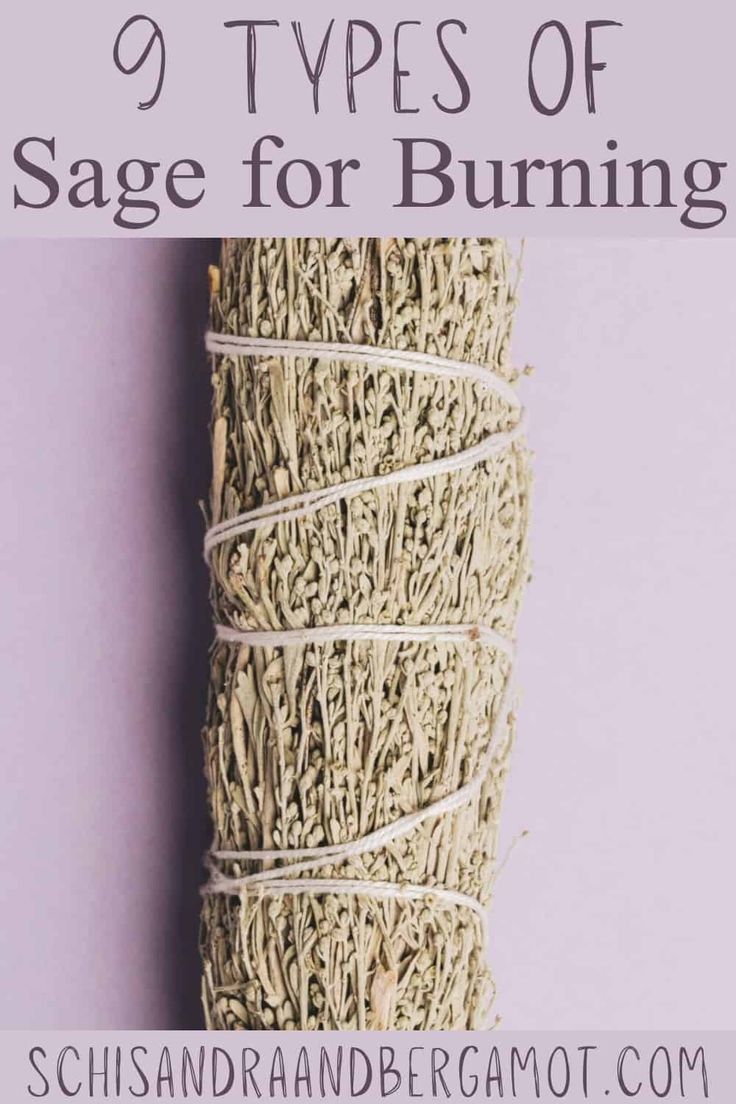
White sage is highly prized for its strong scent, which is enhanced when burned. It's often associated with negative energy removal, healing and spiritual protection. However, it's crucial to use white sage responsibly due to its dwindling populations and cultural significance to Native American communities.
Cultivated White Sage
Cultivated white sage is a more eco-friendly option as it's grown commercially, easing pressure on wild populations. Look for organically grown white sage to ensure the plant has been cultivated sustainably.


While cultivated white sage may have a slightly different scent than wild-harvested sage due to growing conditions, its cleansing properties remain the same.
California White Sage
California white sage, or '清香' (qīng xiāng), is a specific variety of white sage native to California. It's often more affordable than other white sage types and is a great alternative for those seeking to economize while maintaining the powerful cleansing properties of white sage.
California white sage has a slightly different, yet still potent, aroma, making it an excellent choice for those new to white sage or for those looking to test different varieties.


Other Popular Sages for Smudging
While white sage is the most recognized, it's not the only sage type used in smudging. Here are a few more:
John C. Purchase
Black Sage (Salvia melissaefolia)
Black sage, native to the U.S. Pacific Northwest, is named for its dark green foliage. It has a uniquely sweet, somewhat vanilla-like scent. Its cleaning properties are similar to white sage, but it's gentler, often used for cleansing ritual tools or sacred spaces.


Note: Always ensure the sage you're using is harvested responsibly and its use aligns with local Native traditions.
Spanish Sage (Salvia lavandulaefolia)
Spanish sage, native to the Mediterranean region, has powerful antibacterial properties. It's often used to cleanse and protect, with a scent similar to lavender.
This variety is excellent for those seeking a different scent profile or wanting to experiment with different sage types.
Clary Sage (Salvia sclarea)
Clary sage, native to the Mediterranean region, has a strong, musky, slightly fruity scent. It's known for its ability to enhance visions and promote relaxation. It's often burned to promote harmony and union in relationships.
Clary sage is a great alternative for those looking to incorporate different energies into their smudging practice.
Remember, each type of sage has a unique scent, growing conditions, and cultural significance. It's essential to research and choose wisely to ensure you're using sage responsibly and respectfully. Smudging is a deeply personal practice, and exploring different sage types can enhance your journey.
Finally, always source your sage from reputable sellers who prioritize sustainability and cultural respect. This is key to ensuring the continuation of this ancient practice and the preservation of these sacred plants. Happy smudging!
Related Articles

Diverse Plant Varieties: Different Types of Plants
The world of botany is vast and vibrant, housing an array of Plantas (Spanish for plants) that differ significantly in size, shape, color, and purpose. Each...

Diverse 2nd Grade Curriculum Options: A Comprehensive Guide
Second grade is a crucial stage in a child's academic journey, setting the foundation for advanced learning. It's no surprise that various educational systems...

Exploring Varying Splat Symbols: A Comprehensive Guide
In the vast landscape of typography, the humble splat symbol, or bullet point, plays an indispensable role. These ubiquitous characters help break up text...

Pink Rose Varieties: A Comprehensive Guide
The allure of pink roses is undeniable, captivating with their soft hues and eloquent histories. They're more than just flowers; they're symbols of affection...

"Mastering Filters in Flare: Your Comprehensive Guide"
In the dynamic world of digital photography, the FLARE app has emerged as a powerful tool for creative self-expression. One of the standout features of FLARE...

Discovering Distinct Dog Breeds: A Comprehensive Guide
Are you on the hunt for a unique four-legged addition to your family? Perhaps you've heard about the "find the different dog" phenomenon, where people set out...