Exquisite D&D High Elf Names for Your Character
In the captivating world of Dungeons & Dragons (D&D), the realm of possibility expands with each new edition and sourcebook. One of the many aspects that enriches the gaming experience is the naming conventions for various races. High elves, in particular, have a fascinating naming structure that can elevate your character's backstory and add depth to your game. Let's delve into the art of creating engaging and lore-accurate high elf names.
High elves, also known as moon elves or silver elves, have a unique cultural and historical background. They are known for their wisdom, elegance, and affinity with magic, particularly the arcane. Their names typically reflect these aspects, intertwining aspects of their language, culture, and history.
Understanding Elvish Naming Conventions
Elvish names, especially those of high elves, follow a structured pattern. Familiarizing yourself with this pattern can help you generate unique and fitting names for your characters. The basic structure of a high elf name consists of three elements:


- Aard (Family name)
- Thaen (Personal name)
- Gwath (Achievement name or honorific)
While not every high elf character will follow this pattern strictly, understanding this structure can provide a solid foundation for creating names that resonate with your campaign's setting and lore.
The Art of Aard: Family Names
High elves place a strong emphasis on family and lineage. Thus, family names, or aard, are often indicative of one's heritage, region of origin, or ancestral lineage. They may also reflect the family's trade, profession, or historical deeds. For instance, the family name "Eolande" is believed to originate from the ancient elvish word for 'tower', suggesting a lineage with strong connections to ancient elvish lore or magic.


Creating your own family names can be a fun and creative process. Draw inspiration from ancient languages, elvish history, or even the natural world around you. Remember, the best family names are those that evoke a sense of history and mystery, hinting at the rich tapestry of elvish culture and lore.
Crafting Thaen: Personal Names
Personal names, or thaen, are a vital component of any high elf name. They are often inspired by aspects of the natural world, elvish philosophy, or significant historical figures. For example, the personal name "Lumen" reflects a high elf's affinity with light and enlightenment, while "Elysia" could be interpreted as a celebration of the high elf's preference for living inaelven-constructed communities, or 'elya', as opposed to the wild forest.
When crafting personal names, consider the variety of meaning and connotation they can bring to your character. A name like "Melodi()" may reflect a character's love of music, while "Solara()" could signify a deep connection to the sun and, by extension, the day. Use this interpretative freedom to create personal names that augmented your character's backstory and themes.


Cultivating Gwath: Achievement Names and Honorifics
Achievement names, or gwath, are typically earned through meritorious acts or significant contributions to elvish society. These names often reflect a character's accomplishments, aspirations, or personal philosophies. They may also denote one's allegiance to a particular faction, cause, or ancestor. An example of a gwath might be "Vaelor" (meaning 'prosperity'), signifying a character who has greatly benefited their community or brought about bountiful harvests.
Creating gwath can be a powerful way to define a character's growth and progression within your campaign. Consider what actions, achievements, or personal evolutions might earn your character a new gwath. This not only adds roleplaying opportunities but also deepens the historical significance of high elf names within your game's universe.
Blending and Adapting: Creating Complete Names
Once you've crafted your character's family name, personal name, and achievement name, you can begin to blend them into a cohesive whole. Remember, there's room for flexibility in this process. While traditional elvish names follow the aard-thaen-gwath pattern, modern D&D allows for more experimentation and interpretation.


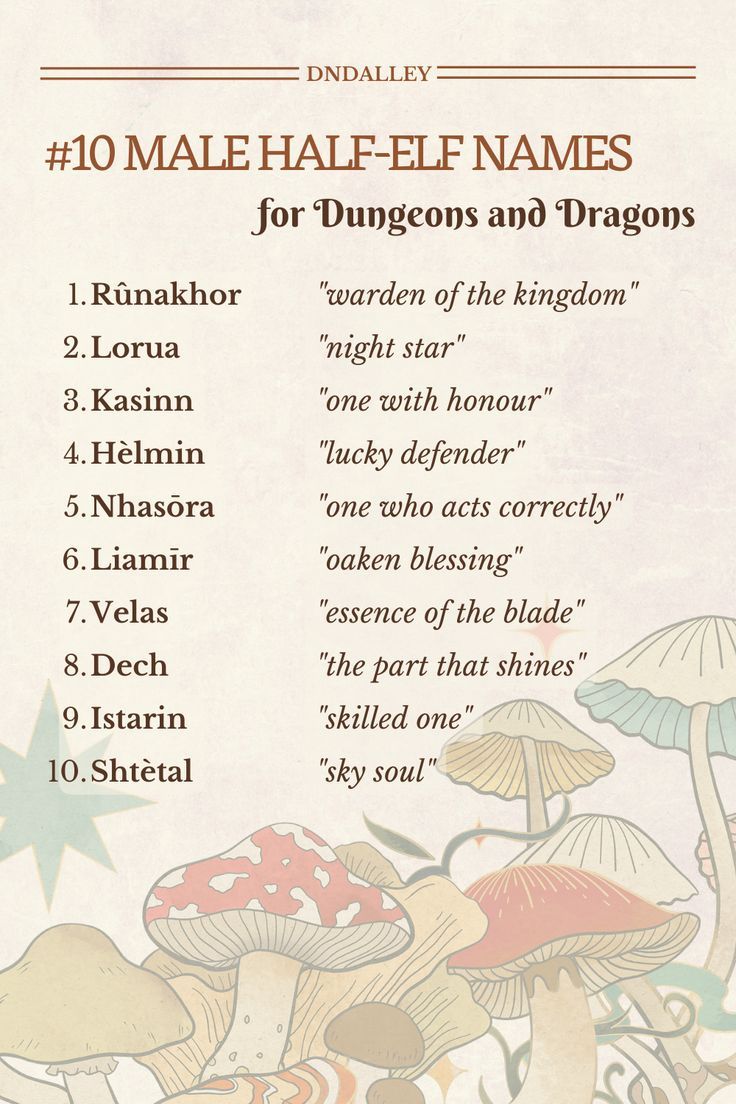


Consider the overall aesthetic you want your character's name to convey. A name like "Eolande Lunara Vaelor" carries a different feel to it than "Vaelor Lunara Eolande". The order in which you place the various components of a high elf name can greatly impact its tone and resonance, so don't be afraid to play around with different configurations. The best names are those that feel right to you and your character, regardless of whether they strictly adhere to traditional elvish naming conventions.
In the grand tapestry of Dungeons & Dragons, high elf names serve as more than just identifiers; they're windows into your character's story, culture, and aspirations. By exploring the art and science of creating high elf names, you invite depth, intrigue, and personal connection into your game. So, start experimenting, start crafting, and start shaping the legend of your high elf character today.
Related Articles

Ever After High Character Creator: Design Your Own Hero
Unleash your creativity with the Ever After High Character Creator, an enchanting tool that lets you design your own magical characters in the bewitching world...

Maximize Your Impact: Print High Quality Stickers
Elevate your branding, products, or passion projects with print high quality stickers, a versatile and impactful marketing tool that can leave a lasting...

Enliven Your World: High-Res, Printable Disney Character Images
% Immerse your little ones in the magical world of Disney with our large, printable pictures of their beloved characters. These high-quality images are perfect...

FedRAMP Moderate to NIST 800-53 High: Your FISMA Compliance Pathway
Achieving compliance with Federal Risk and Authorization Management Program (FedRAMP) is a crucial step for organizations seeking to operate in the cloud with...

Girl Mii QR Codes: Unlock Your Character Instantly
QR codes have revolutionized how we share information in the digital age, and Nintendo's Mii characters are no exception. Girl Mii QR codes have gained...

Hindu Baby Names: Unique ideas for your little princess
Exploring the rich tapestry of Hindu culture, one finds a wealth of unique and meaningful names for baby girls. These names, steeped in tradition and spiritual...