Cool Liquid Art Ideas for Kids
Is your little one a budding Picasso, always armed with crayons and paper, ready to create their next masterpiece? Then it's high time you introduced them to the world of cool art for kids – vibrant, interactive, and liquid fun! Here, we'll explore the art of liquid painting and its myriad benefits, guiding you through engaging projects that'll spark your child's creativity.
The mesmerizing dance of colors oozing and blending on their own is fascinating for both kids and adults. Liquid art is not just fun, but it also develops motor skills, encourages self-expression, and boosts your child's confidence. So, let's dive into this captivating art form that's sure to make a splash!
Exploring Liquid Art Techniques
Liquid art, also known as fluid art or pour painting, involves manipulating mediums like paints, dyes, or inks to create unique, organic patterns. The most common technique, the 'dirty pour', involves pouring different colored liquids onto a surface and tilting it to create mesmerizing swirls and cells.


Another enchanting technique is 'swiping', where you use a tool like a credit card or an upside-down ruler to create patterns and control the flow of the liquid. The 'flip cup' method involves pouring the liquid directly onto a canvas, flipping it over, and allowing the paint to cascade down, creating a stunning marbled effect.
Setting Up Your Liquid Art Station
To begin your liquid art journey, you'll need some essential tools and materials. A canvas or resist board for your masterpiece, cups for mixing and pouring paints, a level surface like a table or an easel, and spirit level or a garden nature will help you maintain your canvas at the correct angle. Don't forget to cover your workspace with newspaper or a drop cloth to protect it from paint spills.


For your first few experiments, you might want to stick with ready-made liquid watercolor paints or homemade liquid watercolor mixtures. As you grow more comfortable, you can explore using acrylic paints with a Floetrol additive for a smoother Pour, or even try your hand at liquid ink or dye.
parents' Role in Liquid Art
Though liquid art can be messy, it's an excellent opportunity for parents to get involved, too! You can assist your child in creating color mixtures, setting up the canvas, and even guiding them through techniques like the flip cup or swipe. Remember, the goal is to let your child express their creativity, so don't intervene too much – let the paint do the talking!
Prepare yourself for some spilled paint; it's all part of the process. A good way to minimize mess is to wear old clothes, work on a covered surface, and ensure all materials are easily accessible. Once you've finished creating, cleaning up is easy – simply rinse off materials and wipe down surfaces with soap and water.


The Art of Liquid Science
The science behind liquid art is as captivating as its aesthetic. Understanding how different liquids react and combine can help your child create more sophisticated pieces and unlock new techniques. Gravity, surface tension, and even air bubbles play crucial roles in creating those beautifully fluid patterns.
Encourage your child to experiment with different materials, temperatures, and pouring heights to observe the changes in their art. They can also try adding ingredients like silicon oil, water, or alcohol to alter the paint's viscosity and reaction time. Through trial and error, your child will develop a deeper understanding of this enticing art form and its underlying principles.
Liquid Art Projects for Kids
There's a world of liquid art projects waiting to be explored! Start with simple patterns like waves, spirals, or stripes, and gradually progress to more complex designs like unicorns, galaxies, or even abstract landscapes. You can also incorporate interactive elements, like adding chunks of modeling clay or embedding small toys in the wet paint.


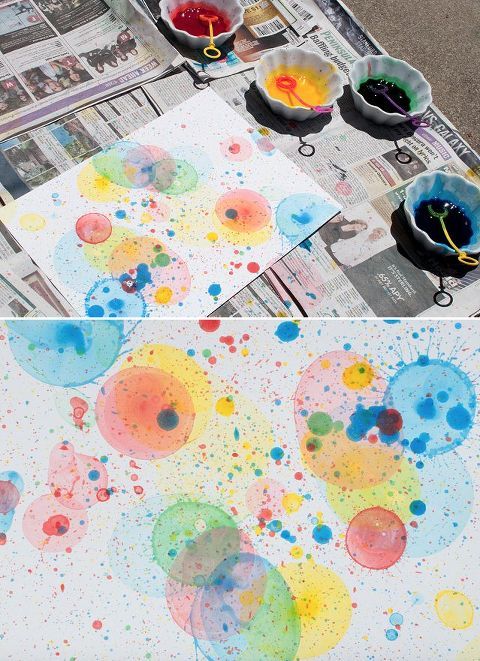


To keep your little ones engaged, try organizing a family liquid art challenge or collaborating on a large-scale piece. You can also make liquid art a educational activity by relating it to a curriculum theme, like exploring different biomes, learning about the solar system, or even revising fractions through dividing liquids into separate containers.
As your child's skills and confidence grow, they'll graduate from simple pours to more intricate techniques. Watching them master the art of liquid painting is a rewarding experience, and seeing their creativity flourish is a true testament to the magic of this captivating medium. So why wait? Embrace the mess, grab those liquid paints, and let your child's artistic adventure begin!"
Related Articles

"Cool & Engaging Dramatic Play Ideas for Kids"
Unlock your child's creative potential and foster social development with dynamic dramatic play activities! Engaging children in role-playing scenarios...

Cool & Cute Paper Craft Ideas: DIY Projects for Kids and Adults
Looking to add a touch of whimsy and charm to your home or as gifts? Paper crafts offer a delightful and affordable way to create cool and cute decorations...

Spider Drawing Ideas for Kids: Fun & Easy Spider Crafts
Is your little oneSpider-Man's biggest fan? Or maybe they just love creating their own whimsical worlds? Either way, drawing spiders is a fun and engaging...

Enchanting Bunny Craft Ideas: DIY Rabbit-Themed Crafts for Kids
Looking for creative ways to keep your little ones engaged and entertained? Exploring bunny craft ideas might be just the ticket! These delightful projects not...

"Christmas Craft Ideas for Kids"
It's that magical time of the year again when little hands can stay busy creating beautiful, festive memories with our collection of Christmas craft ideas for...

Kids Party Planning: Ideas & Expert Tips
Planning a kids' party can be an exciting yet daunting task. With countless ideas and options available, it's easy to feel overwhelmed. But don't worry, with...