Skin Color Hex Chart: Find Your Perfect Match
The intricacies of skin color are as complex as they are captivating, a blend of biology, culture, and individuality. In the digital realm, this complexity is often simplified to numeric values, with the 'color of skin hex' serving as a proxy for our universal human diversity. But what exactly is a skin hex code, and how does it connect us to the broader spectrum of skin colors in nature and culture?
Delving into the world of color and skin, we find that the 'color of skin hex' is a six-digit code that uses the hexadecimal color model. This model is a standard in the digital world, providing a precise way to represent colors. The first two digits pertain to red, the next two to green, and the final two to blue. These values range from 00 to FF, allowing for a vast array of hues and shades, including those found in human skin.
Understanding Skin Color Variation
The range of human skin colors is remarkable, from the deepest ebony to the palest alabaster. This variation is driven by melanin, a pigment produced by specialized cells called melanocytes. The amount, distribution, and type of melanin in our skin dictate its color.


Melanin exists in two forms - eumelanin and pheomelanin. Eumelanin is dark brown or black, while pheomelanin is red or yellow. Dependent on the levels and balance of these melanins, skin color can greatly vary. Additionally, cultural factors, lifestyle, and genetics further enrich the spectrum of human skin tones.
Melanin and Human Skin Color
The production and distribution of melanin in our skin are influenced by our genes and evolutionary history. People with ancestry from regions with intense sunlight tend to have more melanin, as this pigment helps protect the skin from ultraviolet (UV) damage. This is why many people of African, Asian, and indigenous descent have darker skin.


On the other hand, those from regions with less sunlight, like Northern Europe, tend to have less melanin. This allows their skin to produce vitamin D more efficiently when exposed to the sun. It's a fascinating example of nature's adaptability, all encoded in the color of our skin.
The Cultural Significance of Skin Color
Beyond biology, skin color plays a significant role in culture and society. Throughout history, it has been a basis for stereotypes and discrimination. It's crucial to recognize and combat these biases, embracing the diversity of skin colors as a strength rather than a weakness.
In the fashion and beauty industries, for instance, the celebration of diverse skin tones has been gaining momentum. Brands are now catering to a wider range of skin colors, breaking down historical barriers and promoting inclusivity.


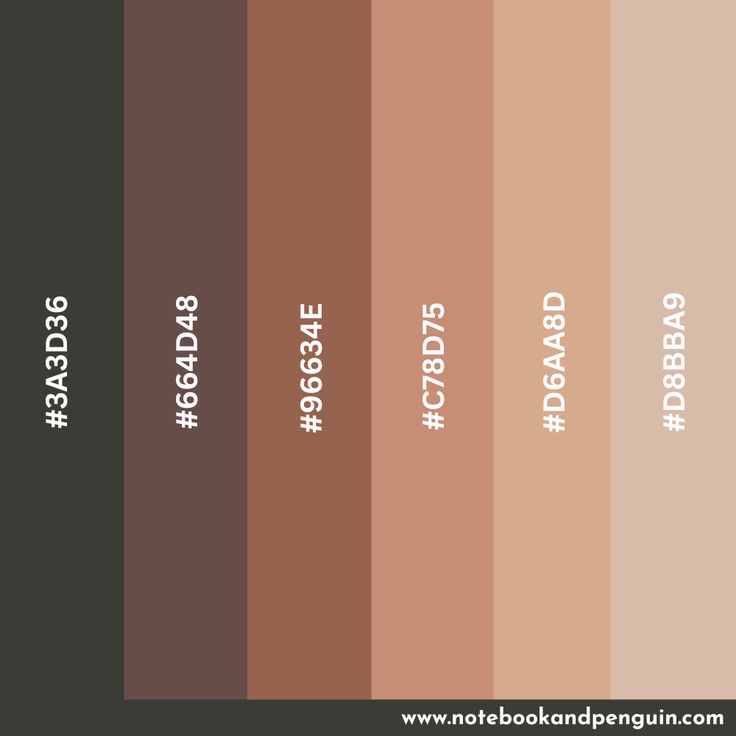


Skin Hex Codes and Representation
In the digital world, skin hex codes allow for the accurate representation of skin colors. This is significant in much more than just graphic design. It extends to the realms of machine learning, artificial intelligence, and data science, where accurate skin color representation is vital for fairness and inclusivity in algorithms.
However, while hex codes can represent a wide spectrum of colors, it's important to remember that they're a simplification. They can't capture the full nuance and complexity of human skin. Ongoing efforts aim to develop more inclusive and accurate representations of skin color in tech.
Promoting Inclusivity in Skin Color Representation
Initiatives like the MacRumors's 'Skin Tone Range for Emoji' and the Six Colors project seek to accurately represent and include a broader range of skin colors in digital platforms. These efforts aim to ensure that technology, like the rest of society, is built with and for everyone, regardless of their skin color.


By embracing the diversity of human skin colors in our technology and design, we can create a more inclusive and representative digital world. It's not just about the accuracy of a hex code; it's about the people it represents and the values it fosters.
In the ever-evolving landscape of skin color representation, from the intricacies of melanin to the significance of culture, the 'color of skin hex' serves as a link. It reminds us of the complexity and diversity of human skin, calling for an inclusive, adaptable digital world that reflects, respects, and celebrates this diversity. So, let's not forget, every skin color, every hex code, is a testament to our shared humanity.
Related Articles

Perfect Match: Find Your Olive Skin Tone Hex Code
When you're working with colors in graphic design or web development, you often encounter hex codes. These are six-digit numbers preceded by a hash (#) that...

Copper Color RGB Code: Find Perfect Match for Your Project
Ever found yourself wondering, "What exactly is the RGB code for copper?" Whether you're a web designer seeking to add a touch of warmth to your projects, or...

Grey Blue Hex Color Code: Find Perfect Match
Grey blue hex codes are a crucial part of web design and digital art, enabling us to accurately represent and manipulate colors in the digital realm. But what...

Neon Pink in CMYK: Find your Perfect Color Code
The radiant neon pink, a vibrant hue that has been captivating eyes and stealing the spotlight in the world of color, isn't just a favorite in the RGB...

Unveiling the Perfect Ginger Hair Color Code: Find Your Shade
Daring to be different, ginger hair color is a bold and vibrant trend that's capturing attention in the world of fashion and beauty. Usually represented by the...

HDTV Size Chart: Find Your Perfect Screen
Need to find the perfect HTV (Heat Transfer Vinyl) size for your project? Look no further! We've crafted this comprehensive guide to help you understand HTV...