Color Make APK Descargar Gratis
Living in a world dominated by visual cues, color plays a pivotal role in our daily lives, influencing our decisions, perceptions, and emotions. This hold true in the digital realm as well, where the choice of colors can enhance user experience or quite the contrary, hamper it. Enter "color make", an influential design trend that aims to make colors the primary driver in website and application design, pushing aside conventional norms to offer unique, captivating digital experiences.
But how does one effectively implement color make in their projects? To downloads and integrate color make into your workflows, you'll first need to understand the key elements and best practices that drive its success.
Understanding the Basics of Color Make
At its core, color make emphasizes the use of vibrant, bold colors that challenge traditional design norms. It's about embracing color to create visually arresting designs that stand out but are also functional and user-friendly.


This design approach isn't merely about livening up a web page. It's about evoke emotions, convey messages, and guide users through their digital journey. Thus, understanding the psychology of colors is as vital as learning color theory and color schemes.
Color Theory: A Foundation for Color Make
At the heart of color make lies a deep understanding of color theory. This fundamental principles include the RGB and CMYK color systems, as well as color schemes like complementary, analogous, and triadic. Mastering these models allows designers to blend colors harmoniously, creating visually stunning yet balanced palettes.


Practical applications of color theory can range from choosing complementary colors for call-to-action buttons to creating color gradients for seamless background transitions. But remember, theory without a practical application is just knowledge. Hence, experiment with various combinations using tools like Adobe's Color or Coolors.co to refine your instincts.
Color Psychology: More Than Meets the Eye
Colors don't just exist in the visual spectrum; they resonate on a deeper level, influencing our feelings, behaviors, and decision-making processes. For example, red incites urgency and excitement, while blue conveys trust and stability. This understanding can help designers select colors that align with the brand's identity and user intent.
When used wisely, color psychology can also guide navigation and hierarchy. For instance, consider making important elements stand out using contrasting colors, or guide users visually through the layout using a logical color gradient.

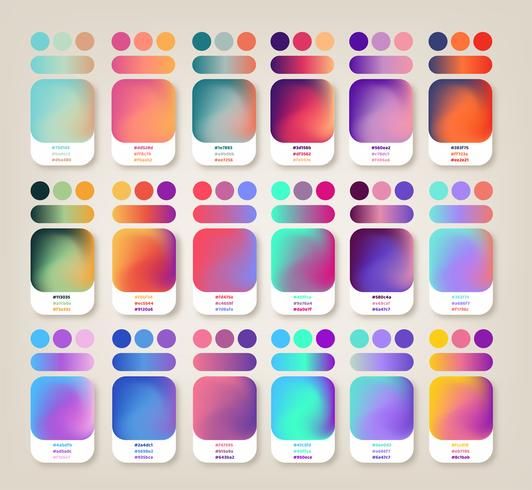


Implementing Color Make with Effectiveness
Knowing the basics of color make is just the start. To make a true impact, you'll need to translate these principles into effective design choices.
Above all, remember that color should serve a purpose. Whether that's to capture attention, guide users, or convey an emotion – it's about throne use to your advantage in a coherent, user-centric manner.
Instilling a Colorful Hierarchy
Each color you use should play a distinct role in your design. Establish a clear hierarchy by reserving bright, contrasting colors for key elements and a sober, coherently, secondary palette for supporting elements.


Use tools like typographical hierarchy and spacing to further reinforce your color-based hierarchy. For instance, use colors to distinguish headings, subheadings, and text. This not only fácil reading but also guides viewer focus through the page.
Color Make in Action: Balancing Vibrancy and Usability
Contrary to popular belief, color make isn't about overloading your design with clashing colors. It's about using bold colors strategically, in a way that serves usability and accessibility.
Consider limiting your color palette to three to four main colors, supplementing them with multiple shades, tints, and tones for gradient effects. Also, keep an eye on contrast ratios to ensure readability, particularly for users with visual impairments.
Ultimately, color make is about creating designs that are both striking and practical. Comprehending and implementing its principles may require some trial and error, but with every deliberate choice, you're one step closer to crafting digital experiences that engage, captivate, and inspire.
Related Articles

Modelos de Facturas Gratis: Descargar Plantillas Online
Facturas son una parte esencial de cualquier negocio o empresa, ya que_funcionan como una forma oficial de registro de las transacciones financieras...

El Reino de los Cielos (2005): Descargar Película Gratis en HD
When it comes to captivating historical dramas, few films have managed to leave a lasting impact quite like "El Reino de los Cielos" (Kingdom of Heaven in...

50 Puzzling Estrellas para Colorear para Descargar Gratis
Imagine unleashing your creativity and taking a relaxing break from the daily hustle. "Estrellas para colorear" or "Coloring Stars" is an engaging, fun, and...

Imágenes PNG Cristianas Gratis para Descargar
Discovering beautiful, faith-inspired imagery is a meaningful journey for many Christians. PNG images, known for their high quality and transparency, are an...

Dibuja y Divertite con Nuestras Pelotas para Colorear: Gratis y größten!" (COLOR AND FUN WITH OUR FREE COLORING PELOTAS: SEO FRIENDLY)
Immerse your children in a world of creativity and learning with pelota para colorear , an engaging and educational activity that combines fun with skill...

Mandalas para Colorear: Descargar Gratis
Immerse yourself in the captivating world of art therapy and self-expression with mandalas para colorear . These intricate circular designs, inspired by...