Detailed Wolf Clipart for Jail Designs
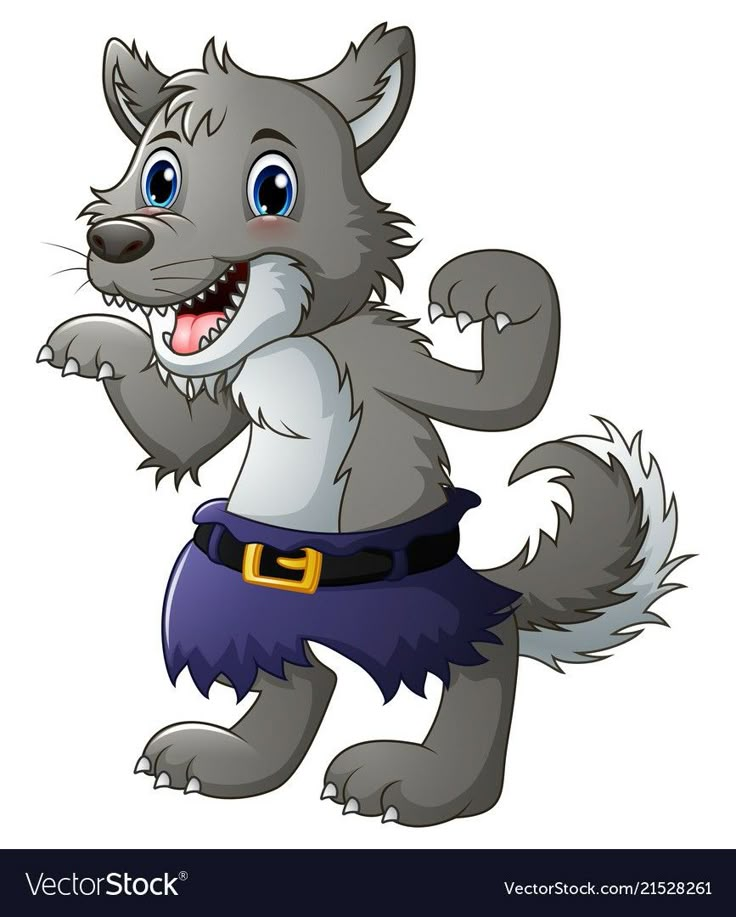
The phrase "clipart wolf jail" might seem puzzling at first, but it's an intriguing internet phenomenon that has captivated users and sparked curiosity. It refers to a specific set of clipart images featuring wolves that originated from Microsoft's Office suite and have since become synonymous with low-quality, outdated visuals on the web.
This article delves into the phenomenon of "clipart wolf jail," exploring its origins, its significance in internet culture, and its impact on modern design aesthetics. Join us as we unravel the story behind these infamous wolves and their unexpected journey into internet folklore.
Origins of the Clipart Wolves
To understand the "clipart wolf jail" phenomenon, we must first journey back to the late 1980s and early 1990s, when Microsoft Office was in its infancy. During this time, the suite came bundled with a collection of clipart images, including a set of cartoonish wolves.


These wolves, with their simplistic designs and lackluster appeal, were intended to serve as basic, versatile images for users' Office documents. However, little did Microsoft know that these humble clipart images would one day become the subject of internet ridicule and meme culture.
The Rise of the Wolf Clipart in Office Documents
As Microsoft Office gained popularity, so did the use of its clipart images. The wolf clipart, despite its crude appearance, found its way into countless presentations, reports, and documents. Its prevalence was, to a large extent, a testament to the convenience and accessibility it offered users.


However, as time passed and design trends evolved, the wolf clipart began to appear increasingly outdated and unappealing. Its simplistic style was increasingly at odds with the more sophisticated visuals that were becoming common in digital media. This shift set the stage for the birth of "clipart wolf jail" as a mocking meme.
Born of Ridicule: The Dawn of "Clipart Wolf Jail"
The term "clipart wolf jail" is believed to have first surfaced on Reddit in 2016, in a post titled "This is the worst thing I've seen today," accompanied by an image of a dated presentation slide featuring none other than the infamous wolves. The post sparked a wave of laughter and ridicule, prompting users to share their own encounters with the once-ubiquitous clipart images.
Almost overnight, the phrase "clipart wolf jail" began to gain traction, spawning countless memes, threads, and even a dedicated subreddit. Users reveled in the absurdity of the once-common clipart images, now seen as a symbol of dated design choices and laughable amateurism.


The Impact of "Clipart Wolf Jail" on Modern Design Aesthetics
The "clipart wolf jail" phenomenon has had an unexpected impact on modern design aesthetics. It serves as a cautionary tale about the transience of design trends and the importance of staying current with evolving visual standards.
For designers, the meme serves as a stark reminder of the potential embarrassment that outdated design choices can bring. It has sparked a renewed awareness of the need to keep design elements fresh and up-to-date, reflecting the constantly shifting landscape of modern visual culture.
The 검색 Engine Optimization (SEO) of "Clipart Wolf Jail"
In the realm of SEO, the "clipart wolf jail" phenomenon illustrates the power of user-generated content and memes in driving web traffic. The meme's massive reach and sharing potential have significantly boosted the search engine rankings of various websites dedicated to the topic.




Keyword optimization plays a critical role in this. Search engines, like Google, prioritize content that incorporates relevant keywords and phrases. In the case of "clipart wolf jail," the high-volume, keyword-rich nature of the phrase and its associated content have collectively contributed to its substantial SEO success.
From Jail to Design Inspiration: The Unlikely Journey of the Wolf Clipart
Despite the ridicule, the "clipart wolf jail" wolves have experienced an unexpected comeback, not as symbols of embarrassment, but as deliberate design choices. Some designers have begun to incorporate the wolves into their work as an ironic nod to the meme, or simply as a quirky choice to challenge conventional design aesthetics.
This new phase in the wolves' journey serves as a testament to the ever-evolving nature of internet culture and design trends. What was once a symbol of outdated design choices has been reclaimed and repurposed as a deliberate aesthetic statement.
So, the next time you encounter those familiar wolf clipart images, you might pause and consider their journey from Microsoft Office staple to internet meme sensation. And who knows? You might just find inspiration in their unlikely tale.
Related Articles
Unlock Hilarious Fun: Free Wolf Clipart for Jail-themed Crafts
Ever come across an internet meme or funny image featuring a cartoon wolf behind bars? Chances are, you've encountered the "clipart wolf jail" phenomenon. This...

Dress Up Clipart: Freely Customize Your Designs
Dress up clips, also known as clothing clips or fashion elements, are a versatile and popular category of graphics used to enhance presentations, party...

Transparent Math PNG Clipart: Free Downloads for Designs
In the digital age, images play a pivotal role in data visualization and communication, especially in educational and professional settings. When it comes to...

Bright Star Clipart: Dazzle Designs with Free Downloads
Capture the essence of your creative projects with the radiant allure of bright star clipart. These stellar graphics are not only visually stunning but also...

Wolf Illustration: Pack Howls at the Moon
Ever need an elusive "clipart wolf cry" to liven up a project or text? You've come to the right place. In the vast digital landscape, clipart images are...

Transparent Toilet Clipart for Designs
In the realm of digital design, the humble toilet may not be the first thing that comes to mind when thinking about clip art, especially when you're after a...