Wolf in Disguise: Cute Clipart of a Hiding Wolf
In the ever-evolving world of graphic design, clipart images remain a staple in many projects. One popular clipart figure is the wolf, often used to depict wilderness, nature, or fantasy themes. But sometimes, the need arises to make this figure less prominent, hiding it in plain sight. This article explores various techniques to creatively hide clipart wolves in your designs.
Before delving into the creative aspect, let's discuss why you might want to hide clipart wolves. It could be to create a sense of mystery, guide users' eyes towards other elements, or add a touch of playfulness to your design.
Using Negative Space
Negative space, or positive space, is an excellent technique to hide clipart wolves creatively. It involves positioning the wolf in such a way that it blends into the background, becoming part of the image rather than a separate element.


For instance, place a wolf howling at the moon behind a tree. From a distance, it looks like just a tree, but closer inspection reveals the hidden wolf. This technique works well when you want to hide the wolf but still have it subtly influence the overall design.
Hiding Wolves in Natural Elements
Nature is an ideal canvas for hiding clipart wolves. For example, you can place a wolf amidst tall grass or in the shadows of a forest. This strategy allows the wolf to blend into the scenery, making it less prominent but still present.


Similarly, you can hide wolves behind waterfalls, under overhanging rocks, or in snowdrifts. The key is to choose a setting that looks natural and inviting, encouraging users to explore and discover the hidden wolf.
Hiding Wolves in Artistic Shapes
Artistic shapes like clouds, clouds or rock formations can serve as ingenious hiding spots for your clipart wolves. By manipulating the shape of the wolf to mimic the shape of the cloud, you create a seamless design that draws the eye but doesn't reveal the wolf immediately.
This approach allows you to play with light and shade in your design, creating stunning visuals while hiding the wolf in plain sight. It also makes your design more engaging, as users try to find the hidden wolf.


Creative Hiding Techniques
Beyond using surroundings to hide the wolf, you can also manipulate the wolf's appearance to make it less noticeable.
For instance, you can use a monotone color scheme to make the wolf blend into the background. Or, place the wolf in a pattern or texture that matches its color, making it more challenging to discern.
Camouflage and Blending
Camouflage is another successful strategy for hiding clipart wolves. By adjusting the wolf's color scheme to match its surroundings, you can make it nearly impossible to spot, at least at first glance.
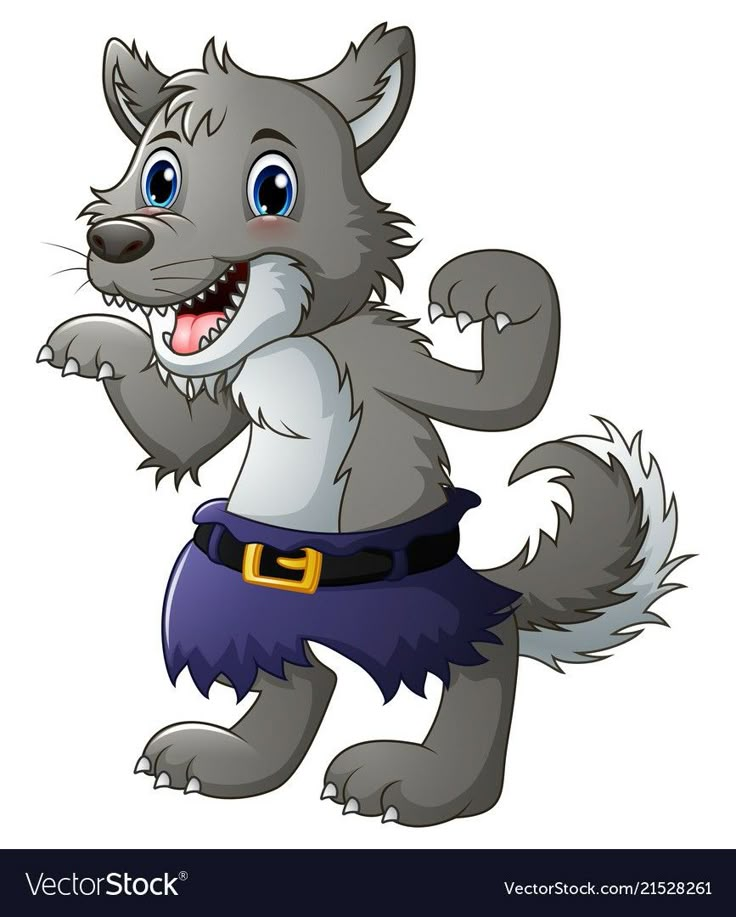


Blending the wolf into other design elements, like a cityscape or a pattern, can also make it less noticeable. This technique works particularly well when the wolf is small or when you want to create a more subtle design element.
Optical Illusions
Optical illusions can be another fun way to hide clipart wolves. By using perspective or manipulating the size and scale of the elements, you can create the illusion that the wolf is not there or that it's something else entirely.
For example, position the wolf at a viewpoint that makes it look like just a shadow or a rock. This technique requires careful planning but can result in a stunning and engaging design.
Finding creative ways to hide clipart wolves in your designs can add depth, intrigue, and fun to your projects. Whether it's using negative space, blending with the environment, or creating optical illusions, the possibilities are endless. So, experiment and enjoy the process of hiding these incredible clipart creatures in your designs.
Related Articles
Wolf Hide-and-Seek: Cute Cлары for Design
In the realm of digital creativity, clipart has long been a trusty companion, offering a wealth of graphics to enhancing presentations, projects, or even...

DIY Bird Feeder Plans Using Cute Cliptart Birds
Transform your backyard into a vibrant oasis with a DIY bird feeder, a whimsical addition that not only attracts beautiful wildlife but also provides hours of...

Adorable Chibi Wolf: Meet the Tiny, Fuzzy Canine
Embark on a whimsical journey into the digital world of anime and manga, where the typically fearsome wolf takes on a delightful, chibi-form. This smaller...

Wolf Illustration: Pack Howls at the Moon
Ever need an elusive "clipart wolf cry" to liven up a project or text? You've come to the right place. In the vast digital landscape, clipart images are...

Sad Cat Clipart: Cute & Downhearted Images
Ever found yourself chuckling at the sight of a grumpy feline face on your computer screen? Chances are, you've encountered sad cat clipart. These whimsical...

Ultimate Wolf Clipart Pack
Embark on a wild safari with our stunning collection of clipart packs wolves , the masters of the forest and our featured creatures of the week. These...