Wolf at the Door: Free Clipart
The phrase "a wolf at the door" is a common idiom that has been part of our cultural lexicon for centuries. Literally translated, it refers to a wolf physically attacking, but more often, it's used metaphorically to describe financial hardship or dire circumstances that 'stalk' and threaten one's well-being. Today, this phrase has taken on a new manifestation in the digital age - "clipart wolf at the door".
Just like the traditional idiom, this new iteration signifies an onset of challenges, but now in the realm of digital graphics and creativity. Let's dive into understanding this modern metaphor and how it impacts graphic design and creative industries.
The Rise of Clipart and Its Impact
Clip art, a term coined in the late 1980s, refers to predesigned graphics or images that can be cut and pasted into documents, presentations, or other media. Initially meant to enhance visual content, clip art has evolved over time, with both positive and negative impacts on the creative industry.


On one hand, clip art has democratized design, allowing non-designers to create visual content. It has also saved countless hours by providing ready-to-use graphics. However, the overuse and misuse of clip art have led to a homogenization of visual content, often resulting in graphic designs that lack originality and impact.
The Problem with Overused Clipart
One of the primary issues with overused clip art is its limitation in conveying unique ideas or emotions. Since these images are widely used, they often fail to evoke the intended response or distinguish the content from others using the same clip art.


Moreover, when clip art is overused, it can lead to a generic and uninspired visual landscape. It's like walking into a room filled with similar-looking pictures - it's bland, uninteresting, and doesn't encourage further exploration or engagement.
Introducing the "Clip-art Wolf at the Door"
The "clipart wolf at the door" thus metaphorically represents the threat of mediocrity that overreliance on clip art poses to the creative industry. It symbolizes the creative famine that could ensue if we continue to rely solely on ready-made images instead of developing our visual literacy and creating unique, meaningful content.
It's a call to action, urging creatives to step up their game, challenge the status quo, and push the boundaries of visual storytelling.


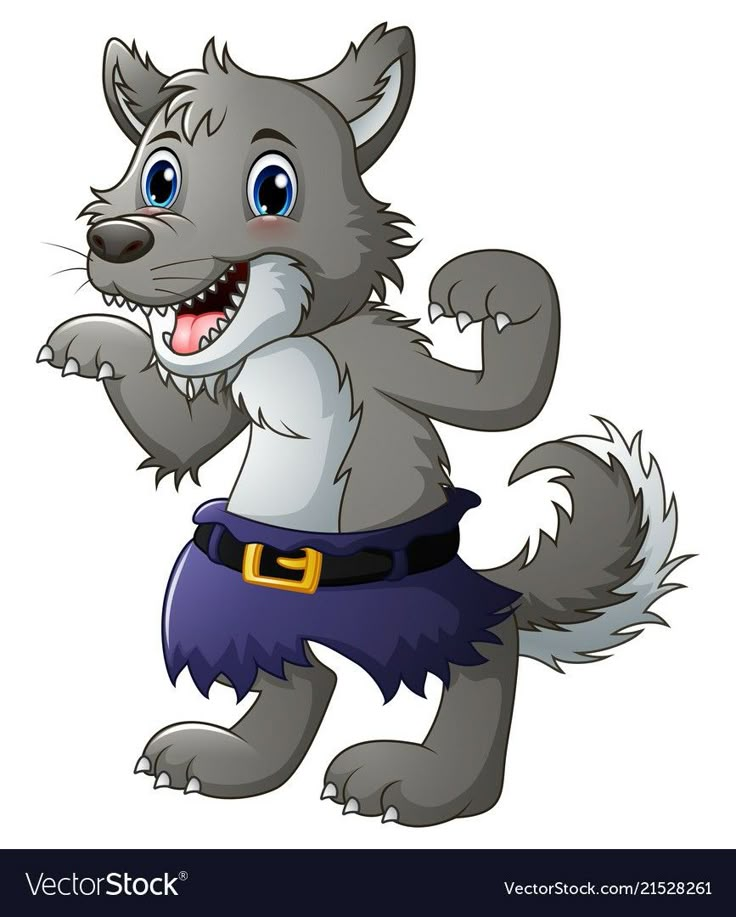


Running Towards the Wolf: Embracing the Challenge
Rather than viewing the "wolf at the door" as a threat, creatives can choose to see it as an opportunity. Here are two key aspects to embrace this challenge:
Developing Visual Literacy
Visual literacy, or the ability to understand, interpret, and create visual content, is a crucial skill in today's digital age. Embracing this challenge means investing time in understanding design principles, practicing visual communication, and honing one's unique visual language.
By developing visual literacy, creatives can create more compelling, thought-provoking, and impactful visual content that stands out and tells a story.


Getting to Know Your Tools
Graphic design software like Adobe Illustrator, InDesign, and Photoshop are powerful tools that can help creatives bring their unique vision to life. However, these tools can be overwhelming for beginners, leading to an overreliance on clip art.
Embracing the "clipart wolf at the door" means investing time to learn and master these tools. As creatives become more proficient, they'll find that they can create striking, original graphics that tell their story more effectively than any clip art ever could.
In facing the "clipart wolf at the door", creatives are presented with a choice - either succumb to the快Easyumbing of mediocrity or rise to the challenge and create visual content that's truly their own. The latter path may be more difficult, but it's also where the real magic happens. So, let's embrace the wolf, learn from it, and ultimately, tame it.
Related Articles

Front Door Clipart: Free Images for Your Projects
Transform your digital projects with professionally-designed, high-quality 'Front Door Clipart'. Elevate your presentations, website designs, or graphics with...

Door Bw Clipart: Free Images for Design
Door knobs, backplates, and clips have evolved in design and functionality over the years, reflecting our changing understanding of aesthetics, usability, and...

Green Door Clipart: Free Vector Downloads
Welcome to our comprehensive guide on "Green Door Clipart," an essential resource for anyone looking to add a touch of nature or a pop of color to their...

Happy Friday Clipart: Brighten Your Day with Free Images
Kickstart your weekend with a smile and some vibrant "Happy Friday" clipart! After a long workweek, Friday rolls around, bringing with it a sense of relief and...

Transparent Math PNG Clipart: Free Downloads for Designs
In the digital age, images play a pivotal role in data visualization and communication, especially in educational and professional settings. When it comes to...

John Deere Tractor Clipart: Free High-Quality Images
Discover the diverse range of John Deere tractor clipart available to bring an agricultural touch to your digital creations. John Deere, synonymous with farm...