Cellular Respiration Colorby Worksheet
Dive into the fascinating world of cellular respiration with our interactive and educational coloring worksheet! Cellular respiration is the process by which living organisms extract energy from food molecules. It's a crucial topic in biology, especially at the high school level, and our worksheet is designed to make learning about it engaging and fun.
By using our cellular respiration coloring worksheet, students can enhance their understanding of the complex process, while also developing their fine motor skills and artistic abilities. The worksheet is not only a fantastic learning tool but also a unique way to incorporate art into science education.
How Cellular Respiration Works
Cellular respiration is a series of metabolic reactions that occur in the cells of organisms to convert chemical energy from food into ATP, the energy currency of cells. This process is essential for sustaining life and occurs in all living organisms.


Cellular respiration happens in three main stages: glycolysis, the Krebs cycle, and the electron transport chain. Let's dive deeper into each of these stages with the help of our coloring worksheet.
Glycolysis
Glycolysis is the first stage of cellular respiration, where glucose, a simple sugar, is broken down into pyruvate. This process generates a small amount of ATP and forms two key products: NADH and ATP. These products are crucial for the subsequent stages of cellular respiration.


To understand glycolysis better, try coloring the associated artwork on our worksheet. It illustrates the step-by-step breakdown of glucose into pyruvate, providing a visual representation of this complex chemical reaction.
The Krebs Cycle
The Krebs cycle, also known as the citric acid cycle, is the second stage of cellular respiration. Here, pyruvate is further broken down into CO2, releasing a significant amount of energy that is used to generate more ATP and NADH. The Krebs cycle takes place in the mitochondrial matrix.
Coloring the mitrochloria and mitochondrial agradeki in our worksheet can help students visualize the Krebs cycle's location and process within the cell. This hands-on activity can significantly enhance their understanding of this stage of cellular respiration.


The Electron Transport Chain & Oxidative Phosphorylation
The electron transport chain (ETC) and oxidative phosphorylation are collectively known as the third stage of cellular respiration. Here, electrons from NADH and FADH2 are passed along a series of protein complexes within the inner mitochondrial membrane, generating a pH gradient that is used to produce ATP through a process called chemiosmosis.
Our worksheet includes an artistic representation of the electron transport chain. By coloring this diagram, students can better grasp the movement of electrons and the role of each protein complex in generating ATP.
Oxidative Phosphorylation
Oxidative phosphorylation is the final step in cellular respiration, where ATP synthase uses the pH gradient created by the electron transport chain to produce the majority of the ATP returned during respiration.


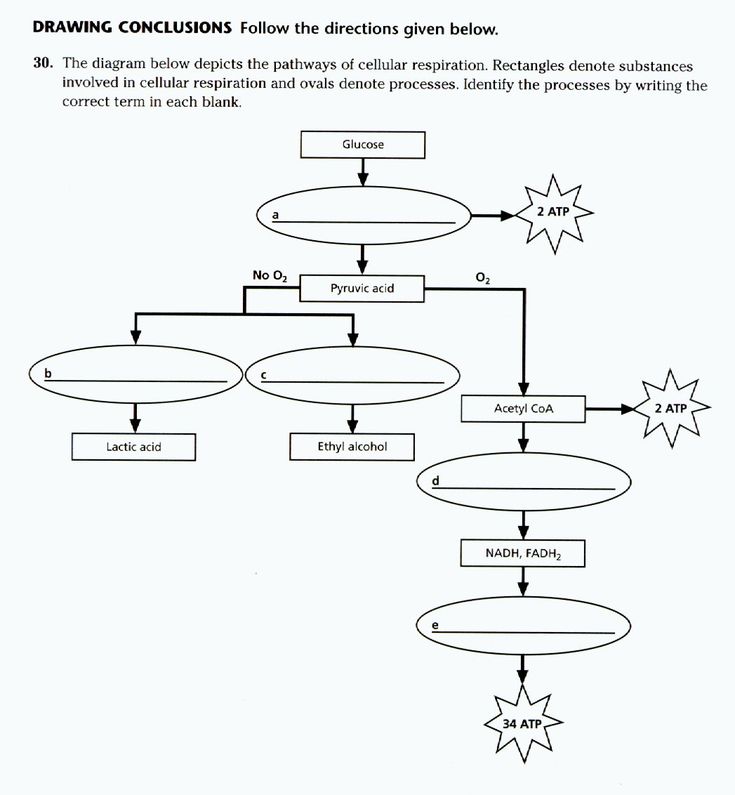


Color the ATP synthase representation in our worksheet to visualize the process of oxidative phosphorylation. This activity can help students understand how the energy from the pH gradient is used to power the creation of ATP.
Cellular respiration is a complex process, but our coloring worksheet breaks it down into digestible, engaging modules. By using our worksheet, students can color their way to a more comprehensive understanding of this vital biological process. So go ahead, let them color, learn, and discover the world of cellular respiration!
Related Articles

Hulk Coloring Worksheet for Kids
The Hulk, that iconic green giant from Marvel Comics, has long captivated children and adults alike with his incredible strength and unique persona. If you're...

Spider Coloring Worksheet: Free Printable Activity for Kids
Dive into a fun and educational activity with our engaging spider coloring worksheet. This printable resource is not just a coloring page, but a chance for...

Virus & Bacteria Coloring Worksheet
Looking for engaging and educational resources to help your students understand the intricacies of microorganisms? You might want to consider incorporating a...
Virus Coloring Pages for Kids: Printable Worksheets
Coloring worksheets are not just fun for kids, they also aid in cognitive development and hand-eye coordination. But what about their educational counterparts?...

Walrus Coloring Worksheet
Ever wanted to combine the creativity of art with the fascinating world of marine mammals? A walrus coloring worksheet might just be the perfect way to do...

Skitty Coloring Page
Bring color and warmth into your child's space with a printable Skitty coloring page. In the world of Pokémon, the caterpie-like Skitty is a fan-favorite for...