Brand Equity vs Customer Equity: Which Matters More?
In the dynamic world of business, two critical assets often drive a company's sustained success: brand equity and customer equity. These terms, while often used interchangeably, represent distinct aspects of a company's value and growth. Let's delve into each concept, explore how they intersect, and understand their collective importance in today's competitive landscape.
Brand equity, a term coined by David Aaker in his seminal work "Managing Brand Equity," refers to the commercial value that derives from a brand's name andtotals. In essence, it's the value added by the brand as perceived by customers. Meanwhile, customer equity, a more recent concept introduced by V. Kumar, signifies the lifetime value of a company's customer base, encompassing all past, present, and potential customers.
Understanding Brand Equity
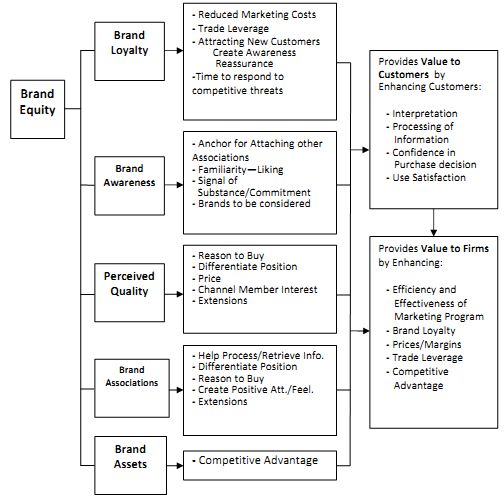
Brand equity is the result of years of investment in marketing, advertising, and overall customer experience. It's measured through brand awareness, perceived quality, brand association, and other brand-related metrics. A strong brand equity can command a price premium, increase market share, and enhance brand loyalty, ultimately contributing to customer equity.


Brand Awareness
Brand awareness, the cornerstone of brand equity, occurs when customers recognizes and can recall your brand. High brand awareness fosters customer trust and can generate a significant competitive advantage. Apple, for instance, maintains exceptional brand awareness, with its name synonymous with innovation and quality.
Strategies like consistent branding across platforms, targeted advertising, and memorable marketing campaigns can boost brand awareness.


Perceived Quality
Perceived quality, another vital factor in brand equity, regards customers' belief that a brand offers superior products or services. Companies like Rolex, known for their meticulous craftsmanship and durability, exemplify high perceived quality. To elevate perceived quality, businesses should focus on product/service differentiation, superior customer service, and continuous innovation.
Exploring Customer Equity
Customer equity, on the other hand, quantifies the present and future value of a company's customers. It accounts for customer lifetime value (CLV), customer retention, and new customer acquisition. In essence, it's the total revenue a business can expect from a customer throughout their relationship with the company.
Customer Lifetime Value (CLV)
CLV projects the revenue a business can reasonably expect from a single customer account over the period they remain a customer. Amazon excels at maximizing CLV by offering personalized recommendations, incentives for repeat purchases, and seamless, user-friendly experiences. CLV calculation helps businesses allocate marketing budgets effectively and drive long-term growth.


Increasing CLV often involves strategies such as loyalty programs, regular customer engagement, and creating a compelling brand story that resonates with customers.
Customer Retention and Acquisition
Customer equity also considers retention and acquisition costs. High retention rates signal strong customer relationships and positive brand experiences. In contrast, high acquisition costs could indicate ineffective marketing strategies or poor customer satisfaction. Successful businesses strive to maintain a balance between acquisition and retention efforts, investing in both to maximize customer equity.
Examples include Netflix, which invests heavily in both retaining subscribers through exclusive content and attracting new customers through its compelling value proposition.


In essence, brand equity and customer equity represent two sides of the same coin. While brand equity builds upon promises and perceptions, customer equity delivers on them, fostering long-term customer relationships. By nurturing both, businesses can cultivate a powerful, sustainable source of competitive advantage and growth. To succeed in today's market, companies must shift from focusing solely on short-term gains to investing in the long-term value of their brand and customers. After all, the greatest brands aren't built in a day; they're nurtured over time through consistent, customer-centric efforts.
Related Articles

Instagram Followers vs Following: Which Matters More?
In the realm of social media, one of the most widely discussed metrics is the followers-to-following ratio on Instagram. It's a simple comparison of how many...

Campsite vs Linktree: Which is Better for Your Brand?
When it comes to promoting your online presence, you've likely come across two popular tools: a better campsite and Linktree. Both are effective, but they...

Which Crayon Brand Melts Fastest & Why: A Compare
When it comes to choosing the perfect medium for creative expression, crayons are among the most popular choices, especially for children. Their vibrant colors...

Instagram Story vs Feed: Which is Right for Your Brand?
In the realm of social media, Instagram has emerged as a powerhouse, offering users a plethora of ways to engage with content. Two of Instagram's most...

Green Brand Loyalty in Action: Visualizing Customer Dedication with Word Clouds
brand loyalty word cloud —a metaphorical representation of the core factors that engender and sustain consumer devotion. Let's explore the verdant landscape of...

8x10 vs 8x12: Which Size Matters for Your Project?
When it comes to photo sizes, two classic standards often steal the spotlight: 8x10 and 8x12. Both sizes have their unique characteristics and uses, making...