Brand Equity Measurement: How to Boost Your Business
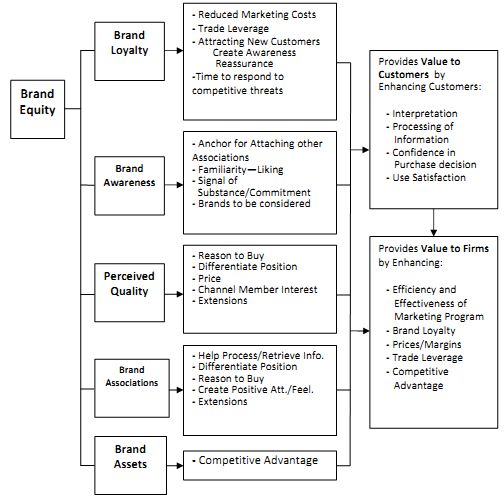
Brand equity, a concept that's been around since the birth of modern marketing, is essentially the commercial value embodied by a brand. Measuring this intangible asset is as crucial as it is complex. It helps businesses understand their brand's market position, customer perception, and financial worth. Let's delve into the intricacies of brand equity measurement.
First, let's clear the air on why brand equity matters. It's because brands aren't just logos or taglines; they're the sum of experiences, perceptions, and associations that customers have with your company. A strong brand equity can mean higher profit margins, increased customer loyalty, and a better licensing potential. So, how do we quantify such a multifaceted notion?
Qualitative Brand Equity Measurement Tools
Qualitative methods are all about understanding customer attitudinal aspects of your brand. They offer insights that quantitative data might miss.


1. **Focus Groups**: A small group of customers or potential customers are gathered to discuss their feelings, perceptions, and behaviors related to the brand. This provides rich, detailed, and holistic insights but can be time-consuming and subjective.
Brand Persona Mapping
This involves plotting your brand's attributes on a perceptual map, comparing it with competitors. It helps visualize where your brand stands in the market, identifying gaps or overlaps, and stimulating innovation.


For instance, mapping could reveal that your brand is perceived as 'rustic' but you want it to be 'classic'. This understanding can guide your branding strategy.
Customer Interviews
One-on-one interviews allow for deeper exploration of customer feelings towards your brand. They can uncover hidden motivations, identifications, or dissatisfactions that could influence the brand's equity.
For example, you might discover that customers buy your product not just for its features but because it makes them 'feel smart' or 'trustworthy', revealing emotional connections tied to your brand.



Quantitative Brand Equity Measurement Tools
Quantitative methods offer numeric, measurable data, typically used for comparison and tracking over time.
1. **Brand Lift Studies**: Measure the changes in brand awareness, perception, and consideration after a marketing campaign. It provides a clear cause-and-effect relationship, guiding future marketing strategies.
Brand Health Tracking
Regularly measuring key brand metrics (like awareness, favorability, and consideration) helps track brand performance over time and identify trends.


For instance, monitoring brand health could reveal seasonal fluctuations or trends tied to product launches or PR crises, helping you anticipate and react more effectively.
Market Share & Pricing Analysis
Correlating brand performance with market share and pricing data gives you a glimpse of your brand's financial value. A stronger brand can command higher prices without losing market share.
Consider this: If you can raise prices by 5% and still gain more market share, it signals a strong brand equity that consumers are willing to pay more for.
Incorporating all these measurements into a comprehensive brand equity audit once or twice a year can provide a solid roadmap for building your brand's equity. It's not just about measuring; it's about understanding, adapting, and innovating. So, start measuring your brand's equity today to build a formidable reputation tomorrow.
Related Articles

Influencer Marketing Australia: Boost Your Brand with Local Strategies
Influencer marketing, a digital strategy that leverages recommendations and endorsements from individuals with significant social influence, has burgeoned in...

Boost Your Brand: LinkedIn Share Tips for Companies
In the rapidly evolving digital landscape, LinkedIn has emerged as a powerful platform not just for professionals, but also for enterprises to build their...

"Craft Your Brand: Iconic Red Balloon Logos for Business"
The iconic red balloon logo, an image synonymous with childhood joy and whimsical celebration, has transcended its original purpose to become a symbol of...

Ice Logo Design: Brand Your Business Like Never Before
The Ice Logo, a nod to history and innovation, is a crucial element in the identity of many brands, yet its origins and significance are often overlooked. This...

Boost Your Brand: Video Production Promotion Techniques
In the digital age, video content has become an integral part of marketing strategies, driving engagement and conversions. However, creating engaging videos is...

Boost Your B2B Sales: Top-Rated Advertising Agencies
In the dynamic world of digital marketing, business-to-business (B2B) advertising agencies play a pivotal role in connecting companies, fostering partnerships...