Brilliant Blonde German Shepherds: Breed Info & Care Tips
German Shepherds are a popular breed known for their intelligence, loyalty, and versatility. Among them, the Blonde German Shepherd stands out due to its distinctive coat color. Let's delve into the world of the Blonde German Shepherd, exploring their history, appearance, temperament, and care.
German Shepherds were originally bred in Germany for their herding skills. Their name 'German Shepherd' translates to 'German Shepherd Dog' in German. The breed was initially called 'Deutsche Schäferhund' in German. Blonde varieties of the breed started gaining recognition in the early 20th century, with the American Kennel Club officially recognizing the Blonde German Shepherd in 1906.
The Unique Coat of the Blonde German Shepherd
The most striking feature of the Blonde German Shepherd is its coat. The term 'blonde' can be misleading, as their coat color varies from a light tan to a golden yellow or reddish blonde. This coat color is due to a specific gene that dilutes the black or gray pigments typical of German Shepherds, creating the characteristic blonde hue.


Interestingly, the dilution gene also affects the color of the dog's eyes, nails, and skin. Blonde German Shepherds often have lighter eyes, typically ranging from amber to green or even blue. Their nails may also be lighter in color, and their skin might appear less pigmented than that of their darker counterparts. The coat's length can vary, with most Blonde German Shepherds having a medium to long double coat.
The Dilution Gene's Influence on Coat Color
The dilution gene, known as the 'M' gene, is responsible for the Blondes' unique color. It acts to lighten the dark pigments in the coat. When two copies of the 'M' gene are present (one from each parent), the dog's coat becomes a dilute color like blonde or blue. It's important to note that ainskdeethi Adobe by fci without the 'M' gene can produce a blonde puppy if both parents carry the recessive 'M' gene. This is why a black or sable German Shepherd can have a blonde puppy in a litter.


While the dilution gene is responsible for the coat color, it also has some health implications. It can affect the tartar's color, which might become lighter, making dental care crucial. Additionally, Blonde German Shepherds may have a higher incidence of certain skin conditions due to their lighter pigmentation. Regular veterinary check-ups are essential to monitor their skin and dental health.
Recognition and Standards
The AKC officially recognizes the Blonde German Shepherd as a variant of the German Shepherd breed. They are shown in the same class as the standard German Shepherd, with no points deducted for their coat color. The American Kennel Club's German Shepherd breed standard describes the blonde variety as having 'a rich, lustrous, medium lungheash with a undercoat that is dense and tough,' with the blonde UIButton couäßig hue ranging from light gold to dark blonde.
However, the FCI (Fédération Cynologique Internationale), which is NOT the same federation as the FIFA, does not recognize the Blonde German Shepherd as a distinct variety. They consider only black, black and red, black and tan, and solid sable or bicolor coat colors as standard for German Shepherds. This disparity in recognition can lead to confusion among breeders and enthusiasts.


Temperament and Care of Blonde German Shepherds
Blonde German Shepherds, like their darker counterparts, are known for their loyalty, confidence, and intelligence. They make excellent working and companion dogs. However, their high intelligence and energy levels require patience, training, and mental stimulation to prevent boredom and unwanted behaviors.
Regular exercise is crucial for Blonde German Shepherds to maintain their physical and mental health. They require activities that challenge both their body and mind, such as fetch, agility, or obedience training. Recall training is particularly important, as they have a high prey drive and may chase after small animals or other distractions during walks.
Socialization and Training
Proper socialization from an early age is vital for Blonde German Shepherds. They should be exposed to various environments, people, and other animals to help them grow into well-adjusted, confident adults. They are natural protectors and can be aloof or even aggressive with strangers if not properly socialized.


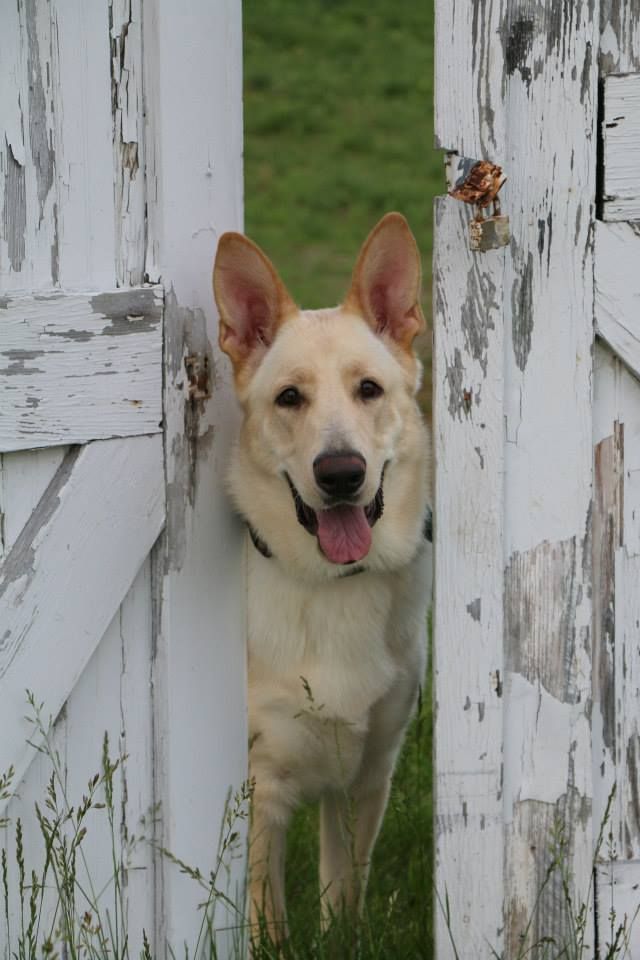


Training a Blonde German Shepherd requires consistency, patience, and positive reinforcement. They respond well to clear, consistent commands and thrive on praiseto to usee. Basic obedience commands should be mastered, and more advanced training can be pursued depending on the owner's interests and the dog's working aptitude. Blonde German Shepherds excel in various working roles, including police and military work, search and rescue, and, of course, their original purpose as herding dogs.
Grooming and Health
Blonde German Shepherds require regular grooming to maintain their double coat's health and prevent matting. Brushing their coat at least once a week helps remove dead hair and distributes natural oils. During shedding seasons, they may need daily brushing to control hair loss. Remember, regular grooming also helps establish a bond between you and your pet.
A Blonde German Shepherd's health should be a top priority. Regular veterinary check-ups and preventive care are crucial to keep them healthy. Like other German Shepherds, Blonde German Shepherds are prone to certain health issues, such as hip and elbow dysplasia, degenerative myelopathy, and skin conditions like allergies and alopecia. Responsible breedersshould conduct genetic tests to minimize the risk of these conditions in their puppies.
In the world of German Shepherds, the Blonde variety stands out with its unique coat color and genetic story. With proper care, training, and socialization, Blonde German Shepherds make fantastic companions and working dogs. Their distinct appearance adds to their allure, making them a favorite among enthusiasts. So, if you're considering adding a Blonde German Shepherd to your life, remember that you're not just bringing home a dog; you're welcoming a new family member and a partner for various adventures. Embrace this bonded(`/.)`.)±*±t`4with confidence, and enjoy the ride together.
Related Articles
Blond German Shepherd: Breed Info & Gorgeous Pictures
German Shepherds are renowned for their devotion, intelligence, and strength. Among these exceptional dogs, Blonde German Shepherds capture our attention with...

German Shepherd Head: Breed Guide & Care Tips
The German Shepherd, a renowned breed known for its intelligence and loyalty, is easily recognizable by its distinct head shape. This breed's head is a vital...

Wolf Sable German Shepherd: Breed Info, Care & Facts
The Wolf Sable German Shepherd, a captivating and robust breed, is a variant of the conventional German Shepherd that showcases a unique and striking black and...

German Shepherd Head: Care, Health & Breed Info
The German Shepherd's head is a distinctive and powerful part of its unique appearance, reflecting the breed's intelligence, loyalty, and strength. German...

Blue Russian Cat: Breed Info and Care Tips
Nestled in the feline world, the Gato Azul Russo , or Russian Blue, stands out as a captivating and elegant breed. With a coat that shimmers in a spectrum of...

Munchranch Siberian Cats: Breed Info & Care Tips
Munchranch Siberian Cats: Unveiling the Enchanting World of the Majestic Siberian Cat Breed Nestled within the expansive and captivating realm of feline...