Black Men Locker Room: An In-depth Look
The term "Black Men's Locker Room" might evoke stereotypes or conjure images of only dialogue from sitcoms. However, the reality is more nuanced, representing a unique space for Black men to engage in private conversations, celebrate shared cultural experiences, and reinforce their cultural identity. This space, often unseen by outsiders, plays a significant role in the social and psychological wellbeing of Black men.
Away from the public gaze, the "Black Men's Locker Room" is a concept that transcends physical boundaries, serving as a metaphorical safe haven for open dialogue and bonding. In school gyms, professional sports facilities, and communal health centers, this space is more than just a place to change clothes; it's a hub for dialogue, laughter, and support.
The Historical Context
To understand the significance of the "Black Men's Locker Room," one must look back at history. In the early 20th century, segregated facilities were commonplace. These spaces allowed Black men to connect, converse, and build resilience amidst racial adversity. Today, while de jure segregation is gone, these spaces remain vital for bonding and shared understanding.


In popular culture, locker rooms have been depicted in movies and TV shows, often contributing to the stereotype of rowdy, aggressive behavior. However, these stereotypes often overlook the supportive, therapeutic, and empowering roles these spaces play in the Black community.
The Role of 어깨 에셈 in Black Culture
.shoulderagram, or "shoulder to shoulder," is a prevalent concept in Black culture, emphasizing unity and collective strength. The locker room personifies this idea. It's a space where Black men can share experiences, exchange advice, and foster a sense of belonging.


For instance, professional athletes like LeBron James and Dwyane Wade have openly discussed how locker rooms provide them with a sense of camaraderie and a platform to advocate for social change. They've used these spaces to start conversations about racial injustice and encourage their peers to use their platforms for activism.
The Locker Room as a Space for Learning and Growth
The locker room is not just a place for physical recovery; it's also a classroom. Here, conversations about finances, health, relationships, and career advancement often take place. These dialogues are often facilitated by older, more experienced individuals who share their knowledge and wisdom with younger counterparts.
A study published in the Journal of Black Psychology found that Black men who were exposed to positive role models in locker rooms had higher self-esteem and better academic performance. This underscores the locker room's role in mentoring and shaping the next generation of Black men.


The Future of the Black Men's Locker Room
As society evolves, so does the "Black Men's Locker Room." Virtual spaces like online forums and social media groups have become extensions of this concept, allowing Black men to connect across continents and time zones.
However, there are also concerns about maintaining privacy and safety in these virtual spaces. As a result, efforts are being made to create digital platforms that mimic the safe, supportive, and confidential nature of physical locker rooms.
Navigating Intersectionality
As the Black community becomes more diverse, locker rooms are also evolving to accommodate intersectionality. More spaces are being created for Black men who are also part of the LGBTQ+ community, disabled, or of diverse religious backgrounds.
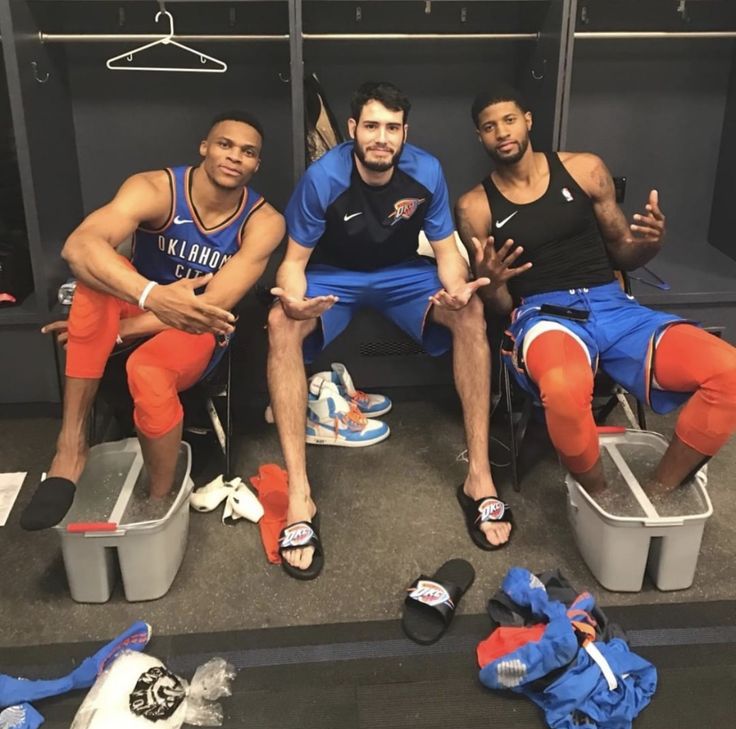


These spaces allow individuals to explore their intersecting identities and find support from those who share similar experiences. By doing so, these locker rooms foster more inclusive and accepting environments for all Black men.
In the end, the "Black Men's Locker Room" is not just a physical space; it's a concept rooted in history, shaped by culture, and driven by the need for connection and support. As society continues to evolve, so too will this idea, reflecting the changing needs and identities of Black men."
Related Articles

Duffner's In-Depth Look at Kimberly's Louis XVI Collection
Duffner Kimberly, often referred to as simply "Kimberly," is a renowned American art history scholar and museum professional, recognized globally for her...

Translucent Black Branches: A Closer Look at Optical Illusion
\begin{Branch black transparent, a captivating visual anomaly, has piqued the curiosity of onlookers for centuries. While black, as a color, is associated with...

Natalie Noel Ethnicity: An In-depth Look
Natalie Noel, the esteemed flood defense expert and environmental engineer, has been making waves in the industry for her innovative and sustainable solutions...

LandGlide App Review: In-Depth Look at Features & Performance
In the ever-evolving realm of property technology, one application has been making waves with its innovative approach to real estate visualization: LandGlide...

Understanding LinkedIn: An In-Depth Look at Interesting Views
LinkedIn, the world's largest professional networking platform, offers a plethora of features to make your networking experience interactive and insightful...

Black Cinema's Best Kept Secret: A Look at Iconic Diving Bars
Tucked away in bustling cities and quaint towns alike, black cinematic bars have emerged as unique cultural spaces that celebrate African American cinema...