Best Math Games for Learning and Fun
Math games have emerged as a powerful tool for improving numeracy skills, fostering strategic thinking, and making learning fun. Whether you're homeschooling, a parent looking for engaging ways to supplement your child's education, or a teacher searching for innovative classroom activities, this guide will help you discover the best math games that cater to various ages and skill levels.
In this comprehensive exploration, we will delve into two main categories of math games: board games and online games. Within each category, we'll explore sub-topics that provide detailed insights into the games' features, benefits, and examples. By the end, you'll be equipped to make informed decisions about which math games will best support your unique learning needs or classroom dynamics.
Board Math Games
Board games offer a tactile, interactive experience that encourages social learning and critical thinking. They are an excellent choice for family game nights, classroom activities, or homeschooling resources.


Board games are typically non-digital, requiring players to use physical game pieces and follow a predefined set of rules. This hands-on approach fosters a different kind of engagement compared to online games, making them particularly suitable for younger children or those who prefer a more tangible learning experience.
Games for Younger Children
Games designed for younger children often focus on foundational math skills, such as counting, addition, subtraction, and basic shapes. These games encourage early number sense development and help children build a strong foundation in mathematical concepts.


One popular example is Sum Swamp, a board game targeting Kindergarten to 2nd-grade students. Players move along a game board, answering simple math problems to reach the swamp's safe side. The engaging, colorful jungle theme makes learning math fun and visually appealing.
Games for Older Children and Adults
As children grow older, math games can introduce more complex concepts like multiplication, division, fractions, and problem-solving strategies. Many of these games can also be enjoyed by adults, making family game nights both enjoyable and educational.
Consider Qwidgets, a modern board game that challenges players to solve equations and simplify expressions using QFnx, a unique number system. This game fosters critical thinking, strategic planning, and algebraic reasoning, making it an excellent choice for middle school students and above.


Online Math Games
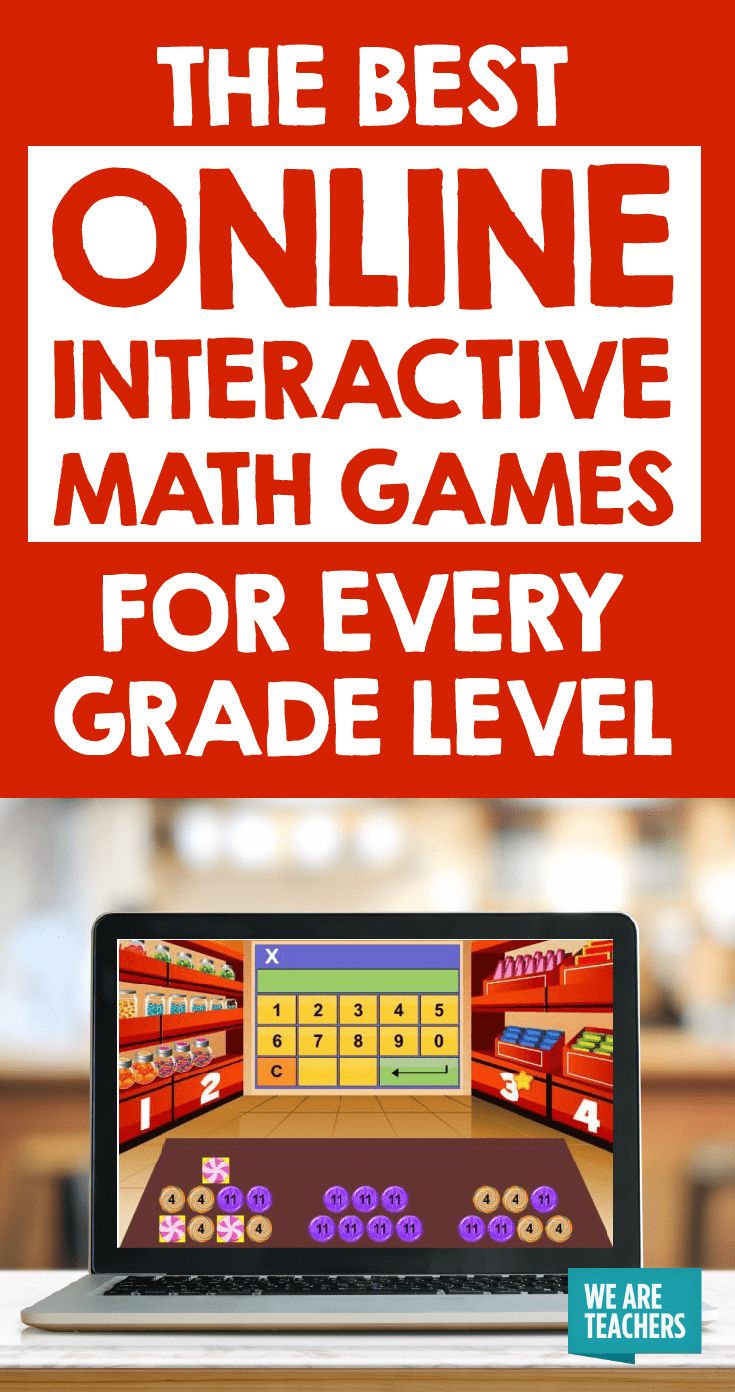
Online math games offer a vast array of interactive, often personalized learning experiences. They can be played on various devices, including computers, tablets, and smartphones, providing flexibility and convenience.
Online games often incorporate multimedia elements like animations, sounds, and immediate feedback, creating an engaging and motivating learning environment. They also allow for the collection and tracking of data, enabling educators and parents to monitor progress and adjust instruction as needed.
Games for Practicing Specific Skills
Online games specializing in specific math skills allow players to focus their learning and reinforce targeted concepts. These games are particularly valuable for homeschooling or classroom use, as they can complement other learning activities and resources.


For instance, Math Blaster offers a series of interactive online games that focus on various math skills, such as addition, subtraction, multiplication, and division. These games are designed for students in kindergarten through 8th grade and provide a personalized learning experience through adaptive game levels and immediate feedback.
Games for Holistic Math Development
Some online math games aim to cultivate a broader understanding of mathematical concepts and foster problem-solving skills. These games often incorporate real-world situations, critical thinking challenges, and open-ended questions to promote a deeper understanding of math.
A standout game in this category is Light Up XtraMath, an online platform that combines basic fact fluency practice with innovative puzzles and challenges. By employing a unique scoring system and progressive difficulty levels, this game encourages players to apply their math skills strategically while enjoying a diverse and engaging gaming experience.
In conclusion, math games play a crucial role in making learning fun and fostering a love for mathematics. By exploring the wide range of board and online games available, you can find the perfect fit for your learning needs or classroom dynamics. So go ahead, dive into the world of math games, and experience the joy of learning through play!
Related Articles
Top 10 Best Math Board Games for Learning & Fun
Math can often seem like an intimidating subject, but it doesn't have to be. Board games are an enjoyable and educational way to explore mathematical concepts...

Best-Ever Math Board Games for Families: Fun & Learning Together
In the realm of educational gaming, few board games have struck a balance between fun and learning like "Sumo Code." Originally created by two Canadian...

Fun & Learning: Best Educational Games for 2-year-olds
At the tender age of two, children are like sponges, eagerly absorbing the world around them. Fun educational games aren't just about learning; they're about...

Funky Math Games for Kids: Fun Learning
Mathematical games for kids are a fantastic way to transform learning into fun, engaging, and interactive experiences. Not only do these games help children...
"Best Math Board Games for 5th Graders: Fun & Educational"
Mathematics isn't just about equations and formulas; it's a universal language that can be learned and enjoyed through play. Thankfully, there are numerous...

Third Grade Math Games: Fun Learning Activities
Engaging and fun, math games for third graders are more than just educational tools. They spark curiosity, boost critical thinking, and make learning...