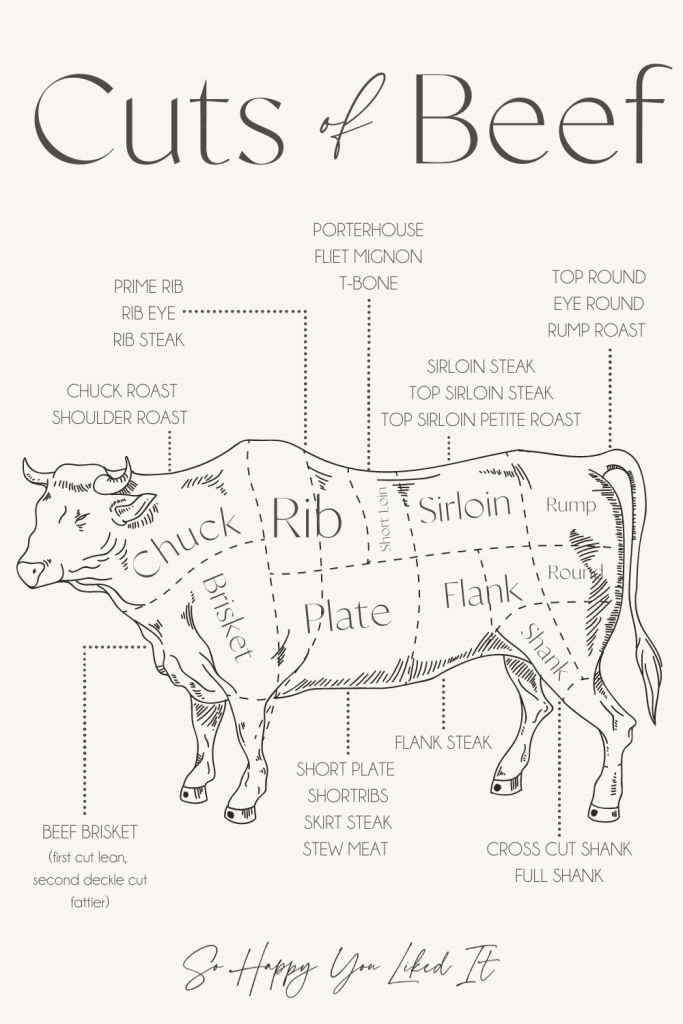
Beef Cuts Map
The art of butchery and the subsequent examination of a beef carcass can be likened to an expedition through intricate territory. Each part of the cow offers unique textures, flavors, and culinary applications, much like the diverse landscapes one might traverse. To navigate this complex beef cuts map is a rewarding task, one that ensures you're maximizing both the culinary potential and the economic value of your ingredient. Let's embark on this journey to explore the world of beef cuts, their characteristics, and their ideal uses.
Beef cuts can generally be categorized into eight primal sections: the forequarter, short ribs, brisket, plate, flank short rib, local short rib, round, and the sirloin. Each of these sections comprises distinct muscle groups that impact the tenderness, marbling, and fat content of the resulting cuts. Understanding this beef cuts map is the first step towards transforming raw ingredients into flavorful, satisfying meals.
Understanding Primal Cuts
The forequarter, also known as the upper side, consists of the shoulder, ribs, and brisket. This area is characterized by large, tough muscles due to their active role in supporting the animal's weight and movement. Cuts from this section are ideal for slow-cooking methods, stews, and braises, which help to break down collagen and develop rich, deep flavors.


The round, situated along the animal's hind leg, is a leaner, more tender section. It comprises several subprimals, such as the eye round, bottom round, and top round, which benefit from quick cooking methods like grilling, broiling, or stir-frying to prevent the meat from becoming tough or dry.
Beef Cuts from the Chuck
The chuck is the noblest part of the forequarter, comprising the shoulder, arm, and some parts of the neck. Chuck cuts can be quite variable in terms of tenderness, fat content, and connective tissue. They are best suited to slow-cooking or marinating, allowing the flavors to meld and the connective tissues to break down, resulting in tender, succulent meat.


A popular chuck cut is the shoulder clod, also known as the seven-bone pot roast. This cut is derived from the muscle responsible for the animal's shoulder movement and benefits from low, slow cooking to tenderize it. Seasoned with aromatic spices and vegetables, it makes a sturdy foundation for hearty stews and soups.
Prime Cuts from the Short Loin
The short loin is part of the loin primal, a long, narrow section that runs down the animal's back. This area comprises mostly tender, fine-textured muscles that benefit from high-heat cooking methods such as grilling or pan-searing. Cuts from the short loin are prime examples of beef's potential for delicate, luscious flavors and velvety textures.
One standout short loin cut is the New York strip steak, a beef classic. This steak is cut from the muscle responsible for moving the animal's hind leg. Its marbling and thick cap of fat help drive intense, beefy flavors, making it a prime candidate for simple seasoning and high-heat cooking.


Understanding Muscle Fibers and Cooking Methods
The beef cuts map underscores the fundamental importance of understanding muscle fibers and their subdivisions. Cuts with shorter, finer fibers are generally more tender and respond better to quick cooking methods. In contrast, cuts with longer, tougher fibers require longer, slower cooking to break down connective tissues and render the meat tender and flavorful.
Remember, every cut of beef has unique attributes that inform how it should be prepared and cooked. The beef cuts map serves as a roadmap to help you select the right cut for your meal, whether you're in the mood for a hearty stew or a tender, juicy steak.
Embarking on a journey through the beef cuts map is a path of discovery, leading you to unforgettable meals and a deeper appreciation for the humble cow. So, enter the world of beef, armed with your newfound knowledge. Let the adventure unfold, one tender, delicious cut at a time.




Related Articles

Laughably Lovely Beef Names: Top Comical Cuts
Have you ever wondered about the creative minds behind beef dish names? From humorously punny to downright odd, the culinary world is full of curious beef...

Rustic Beef Stew Recipes
Craving a hearty, comforting meal? Look no further than Rustic Beef Stew, a timeless classic that warms both the tummy and the soul. This slow-cooked marvel...

Korean-Style Ground Beef: A Mouthwatering Recipe
Craving an explosion of flavors? Look no further than ground beef Korean recipes, a harmony of bold, savory notes and comforting familiarity. This fusion of...

Custom Wood Plank Cuts
In the realm of craftsmanship and design, the allure of custom wood lies not just in its natural beauty, but also in its versatility and durability. One...

St. Patrick's Day Corned Beef & Cabbage Recipe
ómico, St. Patrick's Day wouldn't be complete without a hearty serving of corned beef and cabbage . This traditional dish is not only delicious but also easy...

Basic Beef Stew Recipe: Cozy & Classic
Sink into the comforting aroma of a classic beef stew simmering on your stovetop. This hearty, wholesome dish is a testament to the power of slow cooking...