Luna Bella: Moon's Italian Allure
The celestial body that has inspired countless poets, artists, and lovers through the ages is none other than our lunar neighbor, the moon. In the enchanting language of Latin, this resplendent orb is referred to as "Luna," a name that has been whispered in awe for centuries. Luna, derived from the Proto-Indo-European root "leuk," translates to "light" or "bright," a befitting moniker for the moon that illuminates our darkest nights.
Throughout history, civilizations have looked up to the moon for guidance, inspiration, and even divination. The ancient Romans, with their rich cultural heritage and deep understanding of the cosmos, paid homage to Luna through myths, rituals, and artistic expressions. Let us delve into the captivating world of Luna, exploring its significance in Roman culture and mythology.
Luna in Roman Mythology
The Romans attributed{luna} to a goddess, an aspect of the greater Roman pantheon. She was often depicted as a woman wearing a tangerine-colored cloak, symbolizing the moon's hue at sunrise and sunset. Luna's worship was especially prevalent among the plebians, who revered her as a protector against infertility and illness.


In Roman mythology, Luna was connected to other gods and goddesses. She was often associated with Sol, the sun god, with whom she formed a sacred coupling that mirrored the cycle of day and night. Additionally, Luna was linked to Diana, the virgin goddess of the moon, hunting, and childbirth, who was also known as Trivia, the "goddess of three ways," reflecting Diana's triple aspect as Luna, Diana, and Hecate.
Luna's Temple and Festival
Luna's cult was centered in the southern eminence of the Aventine Hill in Rome, where she shared a temple with the god of doors, doorsills, and thresholds, Janus. This location was no coincidence; the moon's ever-changing face was seen as symbolic of the thresholds of time, signaling the passage of days, nights, and months. The temple was founded by king Servius Tullius, who supposedly erected it on the site of his mother's grave.


One of the most significant festivals dedicated to Luna was the Lќиatria, an annual celebration held in late December or early January. During this time, women would gather to make sacrifices and pray to Luna for her continued protection and blessings. It was believed that Luna, in her aspect as Diana Trivia, would ensure the safety and fertility of children, particularly during childbirth.
Luna's Symbolism and Associations
Luna was often connected to the number nine, representing her nine phases from new moon to full moon and back. She was also associated with silver, which was said to increase in value during the full moon and was used as an offering to please her. In Roman art and iconography, Luna was frequently depicted as a crescent moon, often placed over a human face to represent the moon's nurturing and protective nature.
In addition, Luna was the presiding deity over the phases of the moon, which were considered essential for navigation, farming, and alimentary cycles. She was invoked in rituals and magical practices aimed at securing favorable weather, good harvests, and protection against diseases. The moon was also a crucial component in astrology, believed to influence human affairs and destiny.


Luna in the Roman Calendar
The Romans adopted a lunar calendar, which consisted of 355 days divided into 12 months, with an added leap month to synchronize the calendar with the solar year. This workaround, although imperfect, reflected the Roman understanding of the complex interplay between the solar and lunar cycles. The Roman calendar was reformulated by Julius Caesar in 46 BC, resulting in the Julian calendar, which was later superseded by the Gregorian calendar.
In the Roman calendar, the month of Ianuarius and Februarius were named after Janus and Fauna, respectively. However, the lunations—moon cycles—were also essential units of time, marking crucial milestones in the agricultural year. The Romans celebrated the calendas (kalends), nonas (idosis), and idus (idus) at the beginning, middle, and end of each lunation, respectively. These days were celebrated as holidays, marked by feasts and sacrifices to the appropriate lunar deities.
Luna's Role in Agriculture
Agriculture played a pivotal role in the Roman economy, and lunar phases were closely monitored for their effects on farming activities. The full moon, for instance, signified periods of optimal sowing and planting, while the new moon was seen as an opportune time for harvesting and collecting fruits. The waxing and waning phases of the moon signaled ideal times for plowing, pruning, and cutting timber.


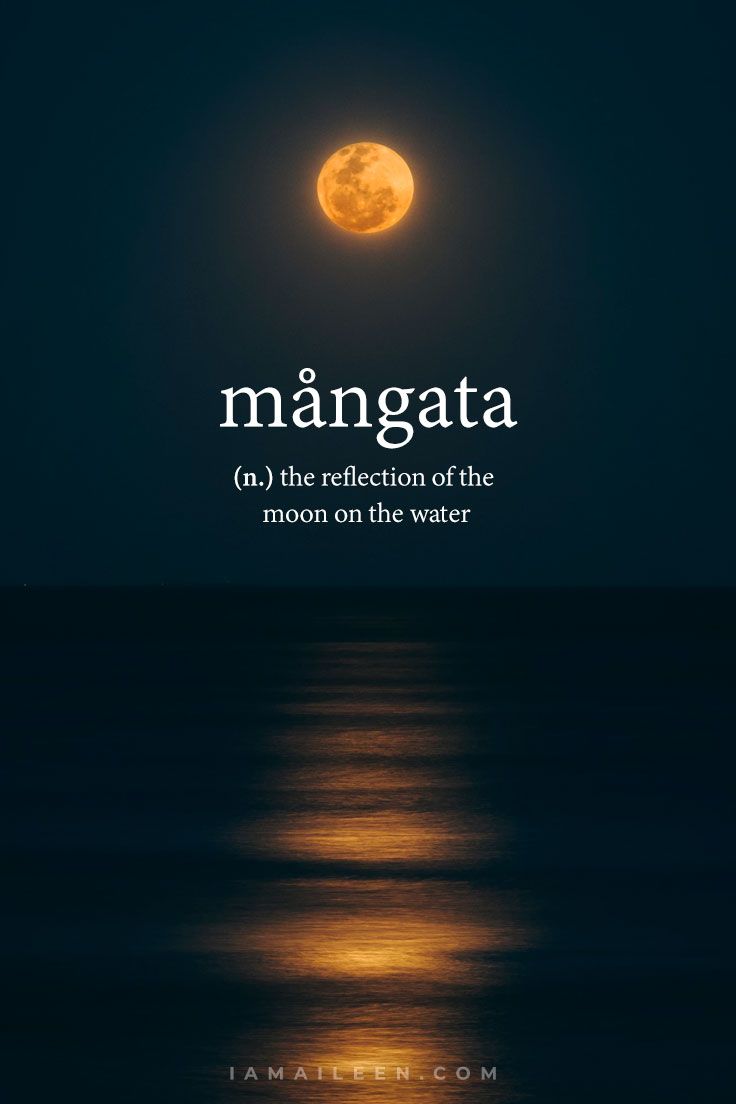


Furthermore, the moon's gravitational influence on tides was believed to affect underground waters and subterranean streams, which in turn, impacted crop yields. Farmers relied on accurate lunar calendars to predict the best times to till the soil, plant seeds, and reap their harvests. This intricate dance between the moon and the earth's cycles highlighted the profound respect and reverence the Romans held for Luna and her power.
From whispers of ancient myths to the rhythm of agricultural cycles, Luna has left an indelible mark on Roman culture and the collective conscious of its people. As we gaze upon the stunning lunar landscape tonight, let us take a moment to appreciate the enduring allure of this resplendent celestial body and the captivating legacy of Luna, the Roman moon goddess.
Related Articles

Sailor Moon's Heartbreaking Moments
In the captivating world of Sailor Moon, Usagi Tsukino, the series' protagonist, is renowned for her meteoric emotional journey. From her initial ditzy and...

Sailor Moon Luna Transparent: Discover the Collection
The enigmatic and captivating world of Sailor Moon has long enthralled audiences with its mesmerizing storytelling and unique characters, each bearing a...

Sailor Moon's Iconic Pose: The Ultimate Signature Stance
The iconic Sailor Moon signature pose is globally recognised, symbolising the transformative power and fierce elegance of the series' protagonist, Usagi...
Sailor Moon Luna PNG: Free Transparent Crests for Art & Design
In the enchanting world of anime and manga, few characters have left as indelible a mark as Usagi Tsukino, better known as Sailor Moon. This iconic heroine has...

The Meaning of the Moon Symbol in Astrology: Unveiling Lunar Secrets
The Moon's symbol in astrology is a powerful and enigmatic one. It represents a range of human emotions, intuitions, and habits, making it one of the most...

Sailor Moon: Free Download - Moonstone, Luna, Anime
Sailor Moon, the beloved anime series that took the world by storm in the 1990s, has left an indelible mark on pop culture. Its compelling storylines, iconic...