Mastering Baby Wolf: A Step-by-Step Drawing Tutorial
Ever felt intrigued by the enchanting world of wolves and wondered how to capture their spirit on paper? A baby wolf drawing can be a fascinating and rewarding artistic endeavor. This guide will walk you through understanding baby wolves, gathering inspiration, and creating your masterpiece.
Baby wolves, also known as pups, are cute yet robust creatures that make perfect subjects for drawings. They are smaller, with larger ears and smaller teeth than adult wolves, making them easy to distinguish. Let's delve into the fascinating world of baby wolves and explore ways to depict them in your drawings.
Understanding Baby Wolves
To draw baby wolves accurately, understanding their unique features is crucial. Baby wolves have a distinct size, ear-to-eye ratio, and coat patterns. Their fluffy coats and vibrant eyes give them an endearing appearance that's hard to resist.


Baby wolves are born blind and deaf but develop their senses within two weeks. They grow rapidly, almost doubling their weight in their first week. This rapid growth transforms the drawing process as the pups change appearance rapidly.
Facial Features and Expressions
Unlike adult wolves, baby wolves have a smushed, more puppy-like face. Their snouts are shorter, and their eyes are positioned higher, closer to their ears. To draw this, start with an almond shape for the face, then add an upturned snout and large, expressive eyes.


Capture the spirit of baby wolves through their expressive eyes. A curious pup, eager to explore the world, will have bright, wide eyes. A tired or content pup may have half-closed eyes. Experiment with different eye shapes and expressions to bring your drawing to life.
Posture and Anatomy
Baby wolves have a stocky build, with their bodies being nearly as long as their legs. They have a rounded belly and broader chest compared to adult wolves. When drawing, keep this ratio in mind. The legs should look proportionately short and sturdy.
Consider their posture too. When playing or exploring, baby wolves have a wagging tail and stand with their front legs close together, ready to pounce. When resting or sleeping, they curl up into a tight ball. Observe real-life photos or videos to capture these dynamic postures accurately.


Gathering Inspiration and Reference Materials
To draw baby wolves realistically, gather reference materials. The internet is a treasure trove of photos and videos of baby wolves. Websites like wolf.org, nationalgeographic.com, and even social media platforms have numerous images and clips.
Consider sketching from life, if possible. Visit wildlife sanctuaries or zoos that house wolf pups. Seeing them in person can provide unique insights into their behavior and details you might miss in photographs. Remember to respect the animals and their environment.
Artistic Styles
Have you decided on an artistic style for your drawing? You could choose realism, semi-realism, or a more stylized, cartoon-like approach. The chosen style impacts the tools and techniques you'll use, from pencil shading to digital painting.


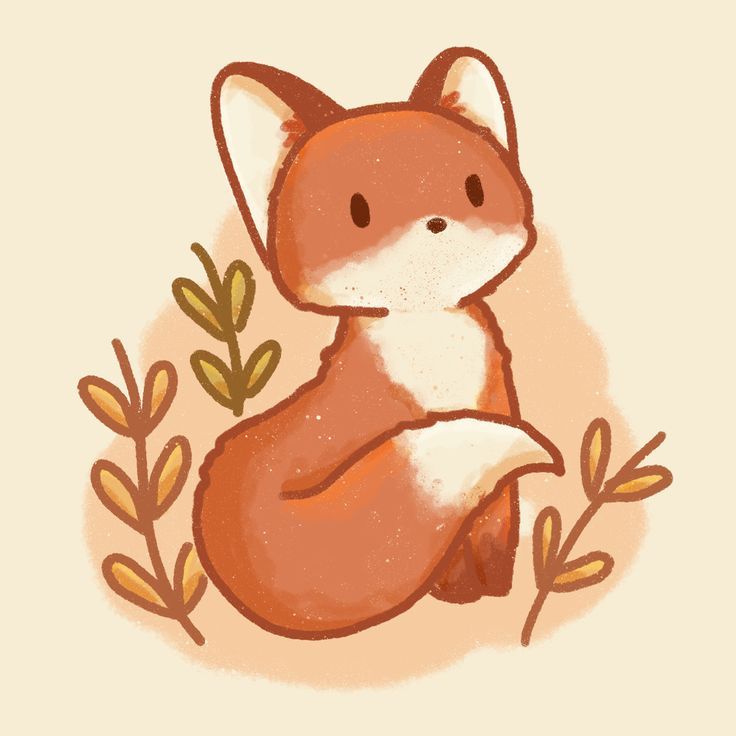


Explore different mediums too. Pencil, charcoal, or pastels can create beautiful textures, while paint and ink offer vibrant colors. Digital drawing allows for more flexibility and experimentation. Choose what feels most comfortable and enjoyable for you.
Drawing Techniques
Start with basic shapes like spheres and cylinders to create a proper foundation. Baby wolves are primarily made up of these shapes. From there, refine your shapes and add details gradually.
Use light shading or hatching to create volume and depth. Observe how light interacts with the baby wolf's fur, casting shadows in certain areas. Remember, the brighter the light, the lighter the fur; the darker the shadow, the darker the fur.
Don't forget to step back occasionally to view your progress. Sometimes, a change in perspective can help you spot mistakes or areas that need improvement. Most importantly, remember that drawing is a learning process. Don't be disheartened by errors; instead, learn from them and keep refining your skills.
Finally, embrace the art of baby wolf drawing. It's a unique way to appreciate these magnificent creatures and improve your artistic skills. So grab your sketchbook and let the creativity flow. Happy drawing!
Related Articles

Mastering the Pumpkin Nose: Step-by-Step Drawing Tutorial
Ever wondered how to transform a simple pumpkin into a fun, quirky character with just a few added details? The pumpkin nose drawing technique is a delightful...

Mastering Miraculous Ladybug: Step-by-Step Drawing Tutorial
Are you a fan of the popular animated series "Miraculous: Tales of Ladybug & Cat Noir"? If you're eager to channel your inner artist and capture the enchanting...

Arctic Wolf Drawing Tutorial: Step-by-Step Guide
The Arctic Wolf, a majestic creature of the north, has long captivated our imagination. Its striking appearance and enigmatic habitat make it a popular subject...

Small Wolf Drawing Tutorial: Easy Step-by-Step Guide
Have you ever tried drawing a small wolf or wanted to learn how to? With their captivating eyes and distinctive features, wolves can be fascinating subjects...

Mexico Flag Drawing Tutorial: Easy Step-by-Step Guide
The Mexican flag, a symbol of national pride and history, is recognized worldwide for its vibrant colors and intricate design. The History Behind the Mexican...

Step-by-Step Arrancar Mask Drawing Tutorial
Wondering how to create captivating Arrancar masks in your drawings? You're in the right place! Arrancar masks, a hallmark of the Bleach universe, are...