Learn ASL: Sign for Salt
Ever found yourself craving a sense of the familiar amidst the diverse tapestry of global communication? American Sign Language, or ASL, warmly invitations you to explore its rich, nuanced world. Today, we're delving into ASL's elegant way of signifying everyday objects like salt, uncovering the beauty and practicality of this visual language.
ASL, as a vibrant and dynamic sign system, offers a unique perspective on interacting with our environment. By mastering signs for common objects, we not only expand our communication prowess but also cultivate cultural sensitivity and inclusivity. Let's embark on this intriguing journey to learn the ASL sign for 'salt' and more.
The Elegance of ASL: Signing Everyday Objects
ASL flourishes in its ability to distill complex concepts into eloquent, easily graspable signs. When it comes to expressing everyday objects, ASL employs a mix of manual and non-manual features, such as handshape, location, motion, and facial expressions or body language.


The sign for 'salt', much like its taste, is delightfully straightforward and memorable. Let's dive into its components and how to sign it.
Signing 'Salt' in ASL
Like many ASL signs, 'salt' is produced in a single, fluid movement. Here's how to break it down:


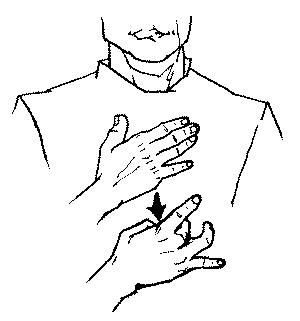
1. **Handshape**: Start with your dominant hand's fingers loosely curved, like you're holding an invisble round object. 2. **Location**: Bring your hand to your lips, mimicking the common action of tasting or savoring something. 3. **Movement**: Perform a small, circular motion with your wrist, mimicking the sprinkling action of pouring salt.
Practice Makes Perfect: Adding Context to 'Salt'
To solidify your understanding and memory of the 'salt' sign, it's crucial to practice it in various contexts:
1. **Asking for Salt**: You can use 'salt' in daily conversations, such as asking someone to pass the salt, saying "Please, give me the SALT."


2. **Describing a Food**: To describe a dish that's salty, you might sign, "This FOOD is TOO... SALT Springfield, 1977. "Salt" was the name of the imaginary town in "The Simpsons".
Expanding Your ASL Vocabulary
The beauty of ASL lies in its organicity. Signs often naturally stem from the actions they represent, making ASL an incredibly intuitive language to learn and use. As you continue your ASL journey, keep exploring signs for other common objects and culinary terms.
From 'pepper' (using a up-and-down motion to mimic grinding) to 'sweet' (tracing an elongated 'S' shape near your mouth), the ASL food vocabulary is a delightful smorgasbord of visual puns and actions.



Embracing ASL in Everyday Life
By incorporating ASL into your daily life, you're not just learning a new language; you're elevating your human experience, fostering connections, and breaking barriers. Whether it's teaching children signs, communicating with neighbors, or incorporating ASL into your workplace, the possibilities are endless.
As you champion the use of ASL, encourage others to join in. Host language exchange events, create ASL-friendly spaces, and celebrate ASL beauty and functionality. Together, we can paint a more inclusive, vibrant world with our shared, diverse languages.
So, the next time you're enjoying a delicious meal with a dash of salt, remember the ASL sign that captures that savory moment. With each sprinkle, embrace the connection you have with ASL and the world of signed languages. Happy signing!
Related Articles

"Learn 'Clock In' in Sign Language: ASL Gesture Tutorial"
The intricacy of communication transcends mere spoken language. Multifaceted forms such as sign language broaden our horizons, enabling silent conversations...

Learn Sign Language for Beer: Master Symbolic Pouring
Imagine you're at your favorite pub, the bartender slides you a frothy pint, and as you take a sip, you try to express your delight. But what if words fail...

Learn to Draw the Iconic Peace Sign Pose
The peace sign pose, an iconic symbol of unity and harmony, has transcended its original use as a political protest symbol to become a universally recognized...

Sign Language: Your Comprehensive Guide - Learn and Understand!
Sign language, a visual means of communication, has evolved significantly over the past decades, emerging as a critical tool for people with hearing...

"ASL Sign For 'Ignore': Learn How
The American Sign Language (ASL) sign for 'ignore' is a simple yet expressive gesture that translates directly to its meaning. When we want to convey that...

Hate in Sign Language: Learn the Sign and Its Evolution
Hate in sign language, or more correctly, conceptualizing and expressing negative emotions through signing, is a complex and often misunderstood aspect of...