All Things You Are Sheet Music
The "All the Things You Are" sheet music is a timeless masterpiece in the jazz repertoire, composed by Jerry Jerome Kern and Johnny Mercer. This captivating song has been interpreted by numerous legendary artists and remains a favorite among musicians and music lovers alike. So, let's delve into the world of this iconic sheet music, exploring its history, structure, and the diverse ways it has been arranged.
Behind every enchanting melody lies a compelling story, and "All the Things You Are" is no exception. Originally written for the 1939 musical "Very Warm for May," the song soon transcended its theatrical roots and bloomed into a jazz standard. With its intricate chord progression and rich harmonic structure, it offered a playground for jazz musicians to improvise and express their unique artistic voices.
The Chord Progression: A Jazz Blueprint
The heart of "All the Things You Are" lies in its chord progression, which represents a classic bebop structure. The melody traverses a harmonically adventurous journey, starting with the I vi ii V progression in B♭ major and ultimately resolving to the tonic:


I - vi - ii - V (B♭maj7 - Gm7 - Cm7 - F7)
The seemingly simple progression hides considerable depth, providing ample space for improvisation and exploration. This progression has been echoed and adapted in countless other jazz standards, serving as a template for modal and improvisational playing.


Understanding the ii-V-i Progression
One of the most fundamental structures in jazz is the ii-V-i progression, which can be seen in the second half of our song's chorus. This sequence (Cm7 - F7 - B♭maj7) forms a cyclical pattern, allowing musicians to work on their improvisational technique and harmonic understanding:
ii - V - i (Cm7 - F7 - B♭maj7)
Improvising over this progression enables musicians to practice among other things, straightening out lines, targeting chord tones, and developing their sense of internal rhythm.


The Melody and Range
The expressive and singable melody of "All the Things You Are" is what initially draws musicians to this piece. The tune spans an octave and a half, comfortably accommodating various vocal ranges or instrumental timbres. This wide range allows musicians to showcase their dynamic control, articulating delicate phrases convincingly in the lower register and soaring with passion in the upper register:
| Measure | Note |
|---|---|
| 1 | B♭3 |
| 15 | D5 |


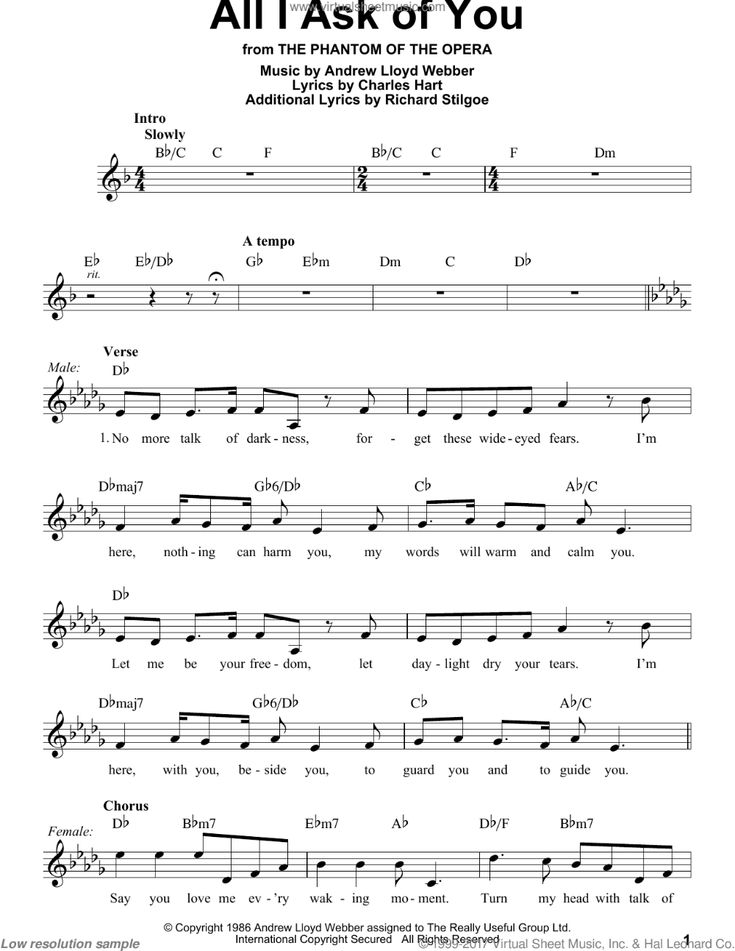


The melody's range can also be a challenge, pushing the musician to develop their technical prowess and phrasing.
Arranging All the Things You Are
Arranging "All the Things You Are" allows musicians to showcase their creativity and versatility. From intricate big band charts to intimate trio settings, each arrangement brings a unique flavor to the timeless melody:
The Art of Simplification
While the chord progression may initially seem intimidating, simplifying the harmony can unveil the song's essence. A trio arrangement, for example, could strip the harmony down to its basic I iv I V structure (B♭maj7 - Ebmaj7 - B♭maj7 - F7), allowing the melody and improvisation to shine:
I - iv - I - V (B♭maj7 - Ebmaj7 - B♭maj7 - F7)
This simplification can also reveal new melodic fragments and motivic ideas, rejuvenating the improvisation and arrangement.
The Influence of Modal Playing
The extensive use of the Dorian mode in "All the Things You Are" has made it a popular vehicle for modal playing. By shifting the emphasis from the chord changes to the mode, musicians can explore new melodic ideas and linear playing concepts. A modal arrangement might focus entirely on the B♭ Dorian mode (B♭ C D E♭ F G A), encouraging improvisational lines that emphasize the mode's natural and flattened sixth degrees:
B♭ C D E♭ F G A
Exploring the modal aspects of the piece can open up fresh creative avenues, pushing the boundary of what "All the Things You Are" can express.
Hence, whether you're a seasoned jazz veteran or a mere beginner, there's always more to discover in the captivating realm of "All the Things You Are" sheet music. So, grab your instrument, and let the journey begin!
Related Articles

Un Owens Sheet Music: Free Download & Lessons
When we think of historical musical contexts, "Un Owen was Her Name" often doesn't come to mind. Yet, this traditional American folk ballad, with its haunting...

Welcome to the Black Parade Clarinet Sheet Music
Welcome to the thrilling world of music where the melancholic beats of My Chemical Romance's "Welcome to the Black Parade" orchestra meets the classical charm...

Alto-Only Sheet Music Playing App
Imagine transforming your Alto Saxophone skills from the living room to the concert hall, without the hassle of carrying reams of sheet music. Sheet music...

Easy Clarinet Solos: Celebrate with Congratulation Sheet Music
Congratulations! You've decided to expand your musical horizons by learning the clarinet, or perhaps you're already an accomplished player looking for new...

_vector To The Heavens Sheet Music
The captivating melody of "Vector to the Heavens" has been intriguing musicians and enthusiasts alike, with many seeking to grasp its unique charm through...

Bellyache Sheet Music for Piano
Ever dreamt of playing "Bellyache" by the 1975 on the piano? Fear not! With the right sheet music and practice, you can master this hits-heavy track. Let's...