Relive Godzilla's Born: The Original 1954 Gif
The iconic figure of Godzilla has been intriguing audiences since his debut in the 1954 film of the same name. While the original Japanese production, Godzilla, may not have been the first big-budget monster movie, it certainly made its mark in cinematic history. Today, let's explore the origins of this giant beast and dive into one of the most popular representations of Godzilla on the internet: the 1954 Godzilla GIF.
Godzilla, the king of the monsters, first stomped onto screens in 1954, with Toho Co., Ltd. creating a monster that would go on to become a global phenomenon. This beloved creature has not only captivated audiences but also embodied the fears and anxieties of its time, making it one of the most recognized movie monsters worldwide.
The Birth of Godzilla
The idea for Godzilla sprouted from the aftermath of World War II and the global devastation caused by the newly developed atomic bomb. The producers wanted to create a monster that would serve as a metaphor for these catastrophic events, reflecting Japanese fears of radiation and destruction. Hence, Godzilla was born as a cautionary tale,預warning about the potential dangers of nuclear weapons.


The film was director Ishirö Honda's attempt to bring a unique, locally rooted story to the big screen, which eventually resonated with global audiences. The monster's design by Teizo Toshimitsu and visual effects by Eiji Tsuburaya, using a combination of miniature sets and suitmation, gave life to the terrifying, yet captivating beast that would later become an international pop culture icon.
The Original Godzilla Design
The 1954 Godzilla design was inspired by various creatures, including the American gorilla King Kong, our ancient dinosaurs, and even a "seals that had been affected by the A-bomb testing," as initially described by designer Teizo Toshimitsu. The final product was an imposing, scaly-skinned behemoth with a diameter of 50 meters, weighing 20,000 metric tons, and bearing a fierce, menacing roar.
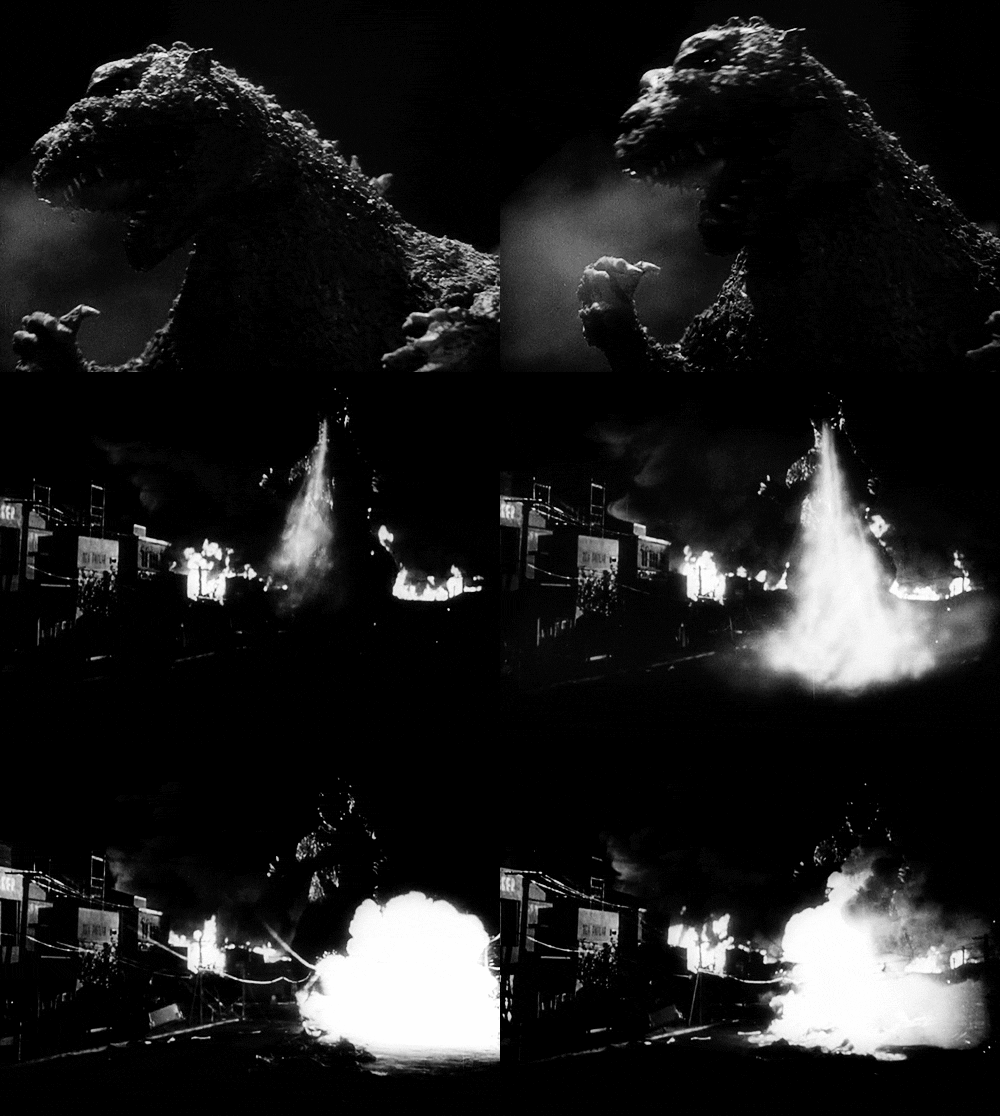


The first Godzilla suit, worn by actor Haruo Nakajima, featured a man-in-suit technique that remains iconic in the Godzilla franchise. Nakajima, who was a stuntman and also served as the films' action director, brought Godzilla to life by acting out the monster's movements, while his facial expressions were later added through optical printing.
Godzilla's Impact and Cultural Significance
Godzilla's debut markeda pivotal moment in Japanese cinema, giving birth to a new genre known as "kaiju eiga" or "giant monster movies." The film's success paved the way for numerous sequels, spin-offs, and crossovers, establishing the Godzilla series as a cornerstone of Toho's film production and making it an intrinsic part of Japanese culture.
The international recognition and influence of Godzilla cannot be understated. The monster has been referenced, parodied, and homaged in countless TV shows, movies, and pop art pieces across the globe. From humorously downplayed encounters in episodes of The Simpsons and South Park, to its prominent role in the Marvel Cinematic Universe, Godzilla's cultural impact has been nothing short of monumental.


Godzilla's Digital Resurgence: The 1954 Godzilla GIF
The rise of the internet and digital media has brought new life to Godzilla, allowing fans worldwide to share and celebrate their love for the king of the monsters in various ways. One standout example is the 1954 Godzilla GIF, a popular medium for showcasing the original Godzilla's iconic roar and destructive power.
Created using classic scenes from the original film, these GIFs offer a digital window into the captivating spectacle that enraptured audiences in 1954. Fans can now easily share and enjoy these animated snippets, which often depict Godzilla's menacing roar, his devastating rampage through Tokyo, or his victorious final moments, standing tall amidst the rubble.
Theبرية POPULARITY of 1954 Godzilla GIFs
The 1954 Godzilla GIFs have become a staple in online communities and social media platforms, with fans using them to express their excitement, agreement, or amusement. The looping nature of GIFs allows these classic scenes to replay continuously, capturing the essence of Godzilla's terrifying and awe-inspiring presence.


A significant factor contributing to the popularity of these GIFs is the availability of source material. As one of the earliest Godzilla films, the original movie has had ample time to enter the public domain in several countries, making it accessible and easy to create and share GIFs. Additionally, the low frames-per-second (FPS) format of the original film lends itself well to the GIF format, resulting in smooth, looping animations.
Godzilla GIFs as a Tool for Dialogue and Interaction
Godzilla GIFs have transcended simple fan enjoyment, becoming tools for communication and shared understanding between users online. In forums, social media threads, and comment sections, these GIFs allow users to convey their opinions or reactions quickly and effectively, often sparking lively discussions and interactions among fans.
For instance, a user might employ a Godzilla GIF to emphasize their agreement with a statement or to signify the end of a discussion on a particular topic. The expressive power of these GIFs has fostered a sense of shared identity among Godzilla fans, bridging gaps between languages, cultures, and time zones, and creating a global community centered around this beloved monster.
In the ever-evolving landscape of digital media, the 1954 Godzilla GIF continues to captivate and engage fans worldwide. From its humble beginnings as a symbol of nuclear monstrosity, Godzilla has grown into a global icon, inspiring generations of artists, filmmakers, and enthusiasts alike. As we look to the future, it's exciting to imagine the new ways in which this iconic beast will continue to adapt and thrive in the digital age.
Related Articles

"Uncovering NES Godzilla's Creepy Red GIF: A Deep Dive into Gaming Urban Legends"
The enigmatic world of internet lore is filled with countless stories, but few have captured the imagination quite like the NES Godzilla Creepypasta Red Gif...

Godzilla's Censored Moments: What's Behind the Movie Cuts?
If you're a fan of Godzilla movies, you might have noticed a peculiar trend: the frequent use of cutaways. These sudden shifts from the main action to...

Best Original Art Hashtags for 2023
Hashtags, those ubiquitous symbols we see on social media platforms, are not just a way to group social media posts together - they serve as powerful tools for...

The Ultimate Guide to Original Content: Definition & Importance
In the digital age, where information is abundant and easily accessible, creating original content is more important than ever. But what exactly constitutes...

Kevin Nash GIF: Relive Iconic Moments
Kevin Nash, a renowned professional wrestler, has left an indelible mark on the world of entertainment. Fans worldwide have cherished his signature moves...

Werther's Original Candy: Unwrapping Sweet Indulgence
Indulge in a burst of sweet, buttery joy with Werther's Original, a beloved candy that has been warming hearts and satisfying sweet tooth cravings since 1908...